Brussels – The Trump cyclone also seems about to hit Australia. As just happened in Canada, voters in the Oceanic country may end up being guided, in the secrecy of the ballot box, more by concerns about “threats” from Washington than by domestic issues, to the advantage of the outgoing premier, Labor’s Anthony Albanese, and to the detriment of Liberal leader Peter Dutton, who is paying for political proximity to the New York tycoon.
On Saturday (May 3), Australians will be called upon to renew the three-year term of the bicameral Parliament in Canberra, dissolved last March 28. The electoral system is relatively complex (and voting is compulsory for all citizens over 18), but what appears likely is that from the ballots, the Labor Party of the resigning prime minister Anthony Albanese, who has led the government since 2022, will emerge the winner.
In fact, the Labor Party took the lead in voting intentions recently after Donald Trump began shaking world politics. Until January, when the 47th US president took office, the Coalition, the center-right liberal group led by Peter Dutton, was in the lead. However, the mood has changed in Australia since then.

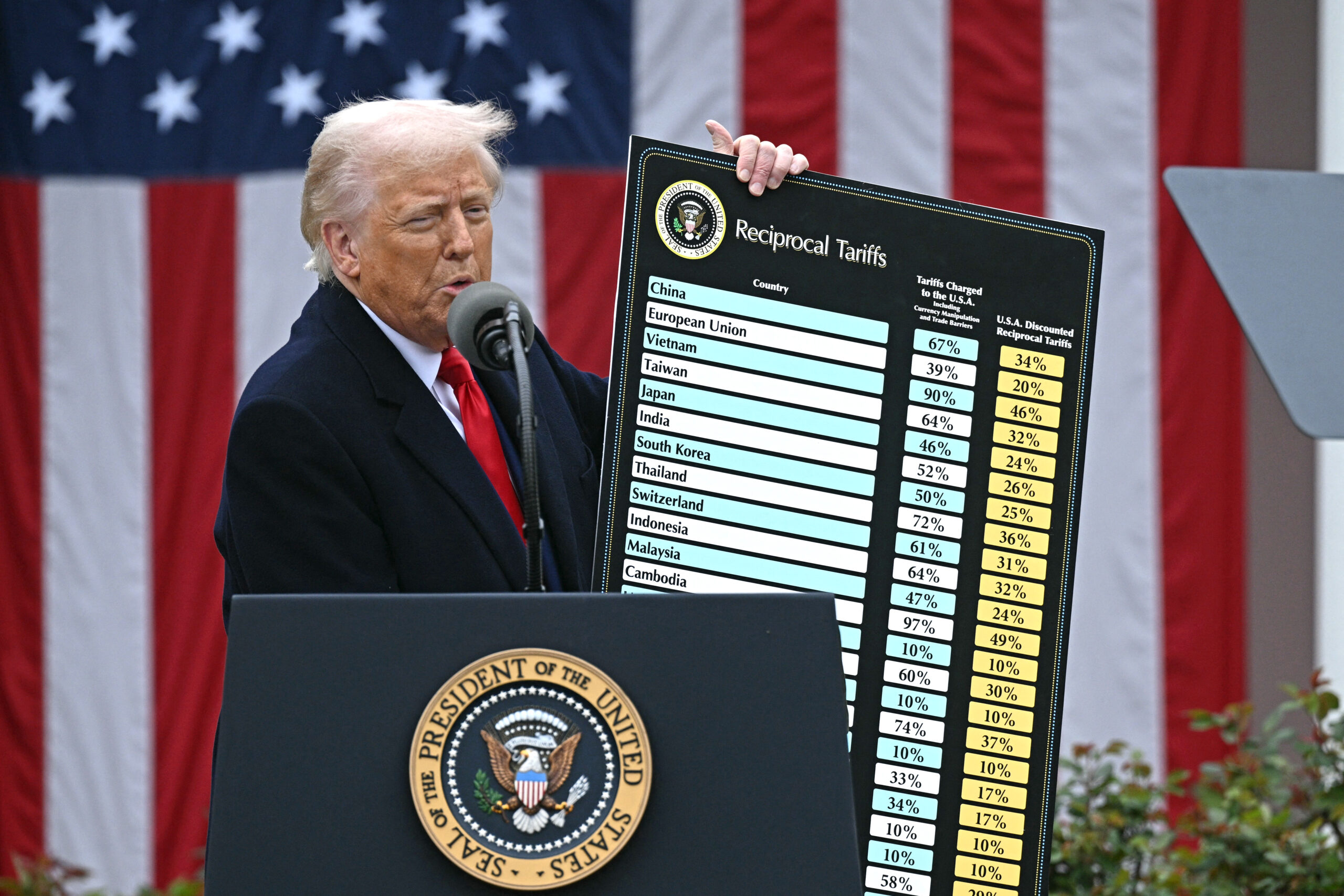
Liberals, historically closer to the United States than other political forces, have been particularly hurt by the imposition of tariffs by the White House and by actions of Washington’s Department of Government Efficiency (DOGE) activities — through which Elon Musk has taken a sledgehammer at federal agencies — that Dutton had emulated in his shadow cabinet.
Saturday’s vote, which was supposed to be a judgment of Albanese’s performance over the past three years (his government has not been particularly popular among voters), has thus turned into a reflection on who will best protect Australia in this phase of global uncertainty. Almost 70 percent of citizens reportedly believe Trump to be “bad” for the Oceanic country. Canberra is primarily dependent on Washington in the economic and security spheres.
In Australia’s complicated system, many polls devote a specific survey to determine which party would win if the contest were held in a two-way tie. In this case, the difference between Albanese’s Labor and Dutton’s Coalition varies between 3 and 6 percentage points, averaging 52 percent for the former and 48 percent for the latter.
The dynamic closely resembles what just took place in Canada, where the outgoing center-left premier, Mark Carney, managed to turn around a difficult situation for his party and remain in power for another term, all thanks to what analysts have dubbed the “Trump effect” (felt even more so in Ottawa because of the tycoon‘s ranting about annexing the Arctic neighbor).
In the House of Representatives, the lower branch of the Australian Parliament will have a ceiling of 150 MPs starting next term, and the majority threshold will be 76 seats. Should Labor fail to obtain an absolute majority, it will have to form a minority executive or, more likely, ally with smaller parties or independent MPs and form a coalition government.
English version by the Translation Service of Withub