




Brussels – From tomorrow, June 4, the United States could double the tariffs already in force on steel and aluminium imports from the rest of the world and raise them to 50 percent. In Brussels, the irritation is palpable, and the wait-and-see and conciliatory strategy adopted so far gave way yesterday (June 2) to some timid threats of early retaliation. In the face of the new risk of escalation, the OECD (Organization for Economic Cooperation and Development) is sounding the alarm: it expects global growth to “slow from 3.3 percent in 2024 to 2.9 percent this year and next.”
It would not be the first bluff in Donald Trump’s negotiating strategy. What is more, tomorrow – and precisely in Paris, on the sidelines of the OECD ministerial meeting – a new face-to-face meeting is scheduled between the European Trade Commissioner, Maroš Šefčovič and his US counterpart Jamieson Greer.
The OECD’s gloomy projections, according to which “global economic prospects are weakening, with substantial barriers to trade, tighter financial conditions, diminishing confidence, and heightened policy uncertainty,” provide an assist for the Slovak commissioner. So far, Šefčovič’s negotiations have been as inconclusive as they have been surreal: the White House, like Brussels, seems to be at the mercy of its occupant’s moods, who acts and reverses course entirely on his own, seemingly rendering technical-level contacts pointless.
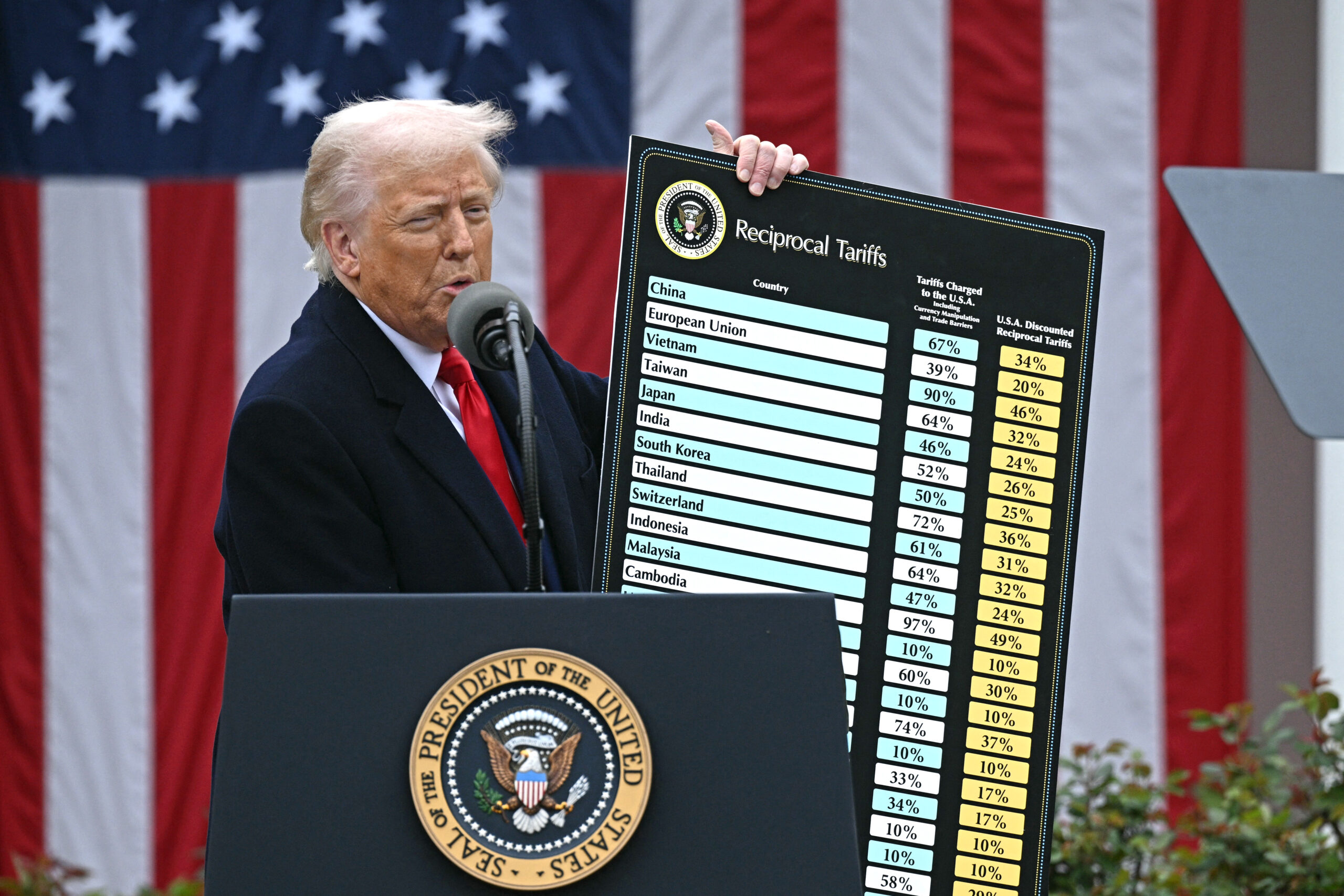
So much so that it took a federal court on May 28 to declare illegitimate the reciprocal tariffs against the rest of the world announced by Trump on ‘Liberation Day’ in early April; the judgment was overturned the next day on appeal. Financial analysts coined an acronym to describe the stock market performance in response to Trump’s bombastic announcements and subsequent backtracking: the ‘TACO Trade,’ where TACO stands for “Trump Always Chickens Out.”
Brussels is also getting used to Trump’s unpredictability. This morning, the European Commission spokesman for trade, Olof Gill, stated that “negotiations at the technical level are ongoing.” So far, they have been “very constructive.” As if they were proceeding altogether on a different track. However, Gill admitted yesterday that Trump’s announcement to double tariffs on steel and aluminium “undermines our ongoing efforts to reach a negotiated solution” to the trade war.
After Trump’s latest threat to close the 90-day suspension window and apply 50 percent tariffs on all imports from the EU from June 1, it took Ursula von der Leyen’s phone call to change his mind and confirm the July 9 deadline for tariffs. For European retaliation, however, D-Day is set a few days later. Without an agreement, “both existing and additional EU measures will automatically enter into force on July 14,” or “earlier, if circumstances require it,” the Brussels spokesman warned.
The Commission had already planned – and then frozen until mid-July – a first response of EUR 26 billion to the 25 percent tariffs on steel and aluminium imposed by Washington. On May 8, it finalized and opened a public consultation on eventual countermeasures of EUR 95 billion in case there is no agreement with the US administration. Reuters revealed a new development in the saga: the White House is asking several partner countries to submit their “best offers” for trade negotiations by tomorrow. According to a draft letter seen by the British agency, the US is asking countries to list their best proposals in several key areas, including tariff and quota offers to purchase US industrial and agricultural products.
English version by the Translation Service of Withub



![Vista satellitare dell'Africa [foto: Wikimedia Commons]](https://www.eunews.it/wp-content/uploads/2024/08/Africa_topic_image_Satellite_image-120x86.jpg)
