



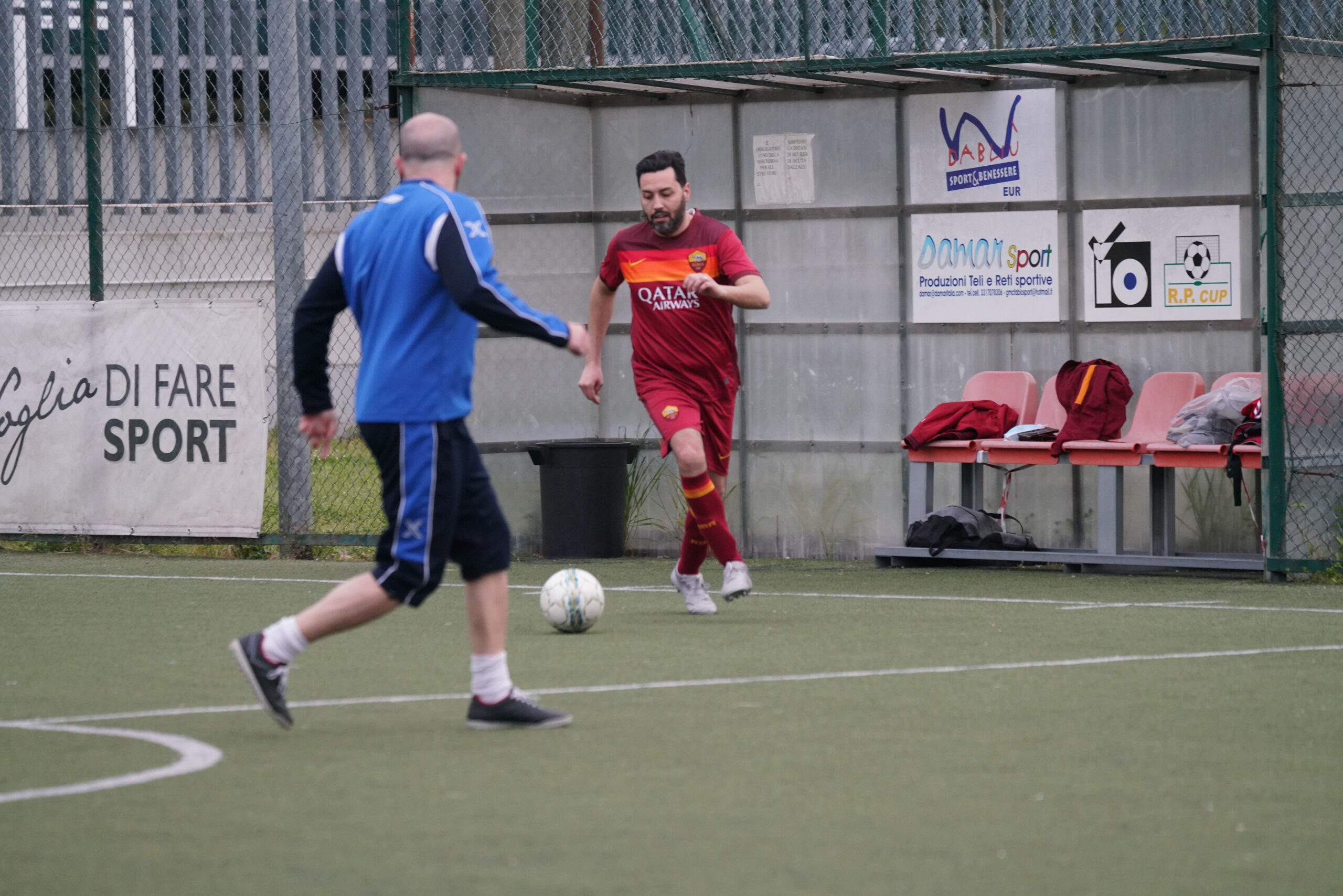
Brussels – For governments, there is now also the issue of five-a-side football. That’s right: the popular sporting activity practised by sports and football lovers will become grounds for infringement proceedings if synthetic turf playing fields continue to support chemicals and plastics that the European Union has banned.
A specific regulation is putting a stranglehold on synthetic turf sports playing fields. It is the revision of these rules that now requires all governments – national and local – to replace five-a-side football pitches and any other non-natural grass surface, given the restricted concentrations of eight polycyclic aromatic hydrocarbons (PAHs) in the granules and mulch used as infill material. In addition, from 2031, microplastics and rubber granules will be banned.
There is no alternative; the five-a-side football pitches must all be brought into compliance. “In the event of evidence pointing to a failure to apply EU law, the Commission can initiate infringement proceedings against Member States,” Stephane Séjourné, the Commission’s executive vice-president in charge of industrial strategy, said. “Member States are responsible for verifying compliance with the limits for filling materials used on sports pitches,” he adds.
Lovers of friendly matches, be prepared, especially in Italy, where five-a-side football is a tradition: the cost of five-a-side football could rise. Replacing the pitches will not be free of charge for those who run the sports facilities, and these costs are likely to be passed on to the end consumer.
To avoid this major hit, Séjourné suggests turning to Brussels: “The replacement of hazardous filling materials for sports surfaces with more environmentally friendly materials could be financed by EU cohesion policy funds,” he said. In addition, private sports facilities “may be eligible for support from EU cohesion policy funds that support micro, small, and medium-sized enterprises”.


