Brussels – “To deliver more affordable and secure energy to all Europeans… the Union needs to significantly scale up renewable electricity generation.” Energy Commissioner Dan Jørgensen is adamant. His words are not new because the Green Deal, the maxi-agenda for sustainability, although revised, has never been cancelled or taken off the table. However, the crisis in the Middle East, with the war in Iran and the new surge in oil and gas prices, gives Jørgensen’s statements whole new political significance and a commitment that, in light of the facts, cannot be postponed.
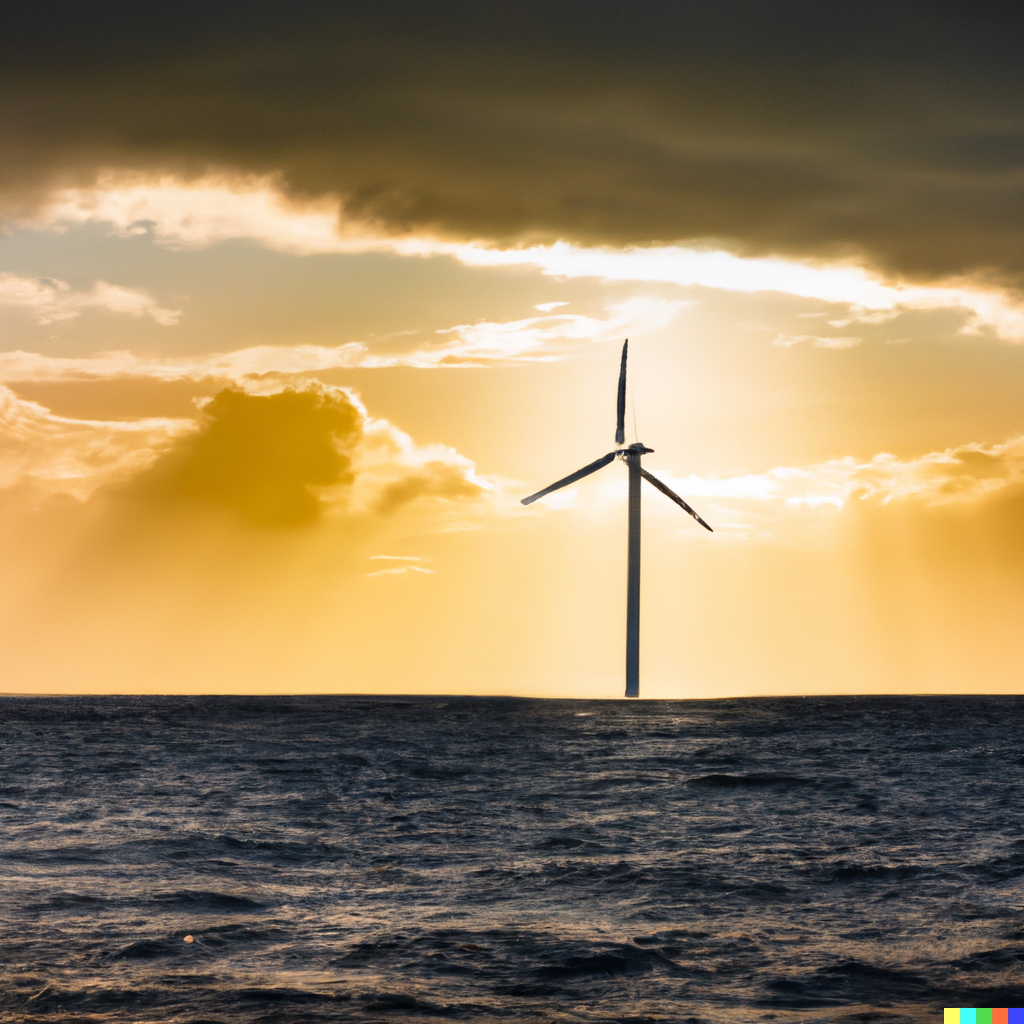
The Energy Commissioner responds to a parliamentary question filed on 22 December, before the outbreak of war in Iran, and aimed at understanding the potential impact of installing offshore renewable energy production facilities, known as “offshore” wind farms. The response provided by Jørgensen, dated 10 March, and therefore in the midst of the conflict in the Middle East, could not be clearer: “Offshore renewable generation contributes to enhance Europe’s energy resilience, provide affordable energy to consumers and ensure long-term competitiveness of European industries.“
“So it’s full steam ahead on renewables, with no wavering and no second thoughts. Solar and, even more so, offshore wind power are the key to overcoming current and future shocks and securing the competitiveness that the European Union seeks, which is the focus of the Draghi report.
“Offshore renewables are an indispensable part of the energy mix” of the European Union and its Member States, Jørgensen insists, nevertheless pointing out that this does not mean easy authorisations. “In line with the precautionary principle and EU environmental laws, it is essential to carry out an assessment of the likely environmental effects of certain projects likely to have significant effects on the environment, including on offshore renewable energy, before a permit is granted.” However, this does not remove offshore wind turbines from the European and national agenda.
The Energy Commissioner then staunchly defends the EU executive’s entire energy strategy, emphasizing that it is valid for achieving the twin objectives of sustainability and energy security. “All net-zero and low-carbon technologies will need to contribute to reach the climate goals.” This includes “all current and future solutions, such as i.a., renewables, nuclear, and carbon removals.”
English version by the Translation Service of Withub