Brussels – While waiting for Moscow to respond to Volodymyr Zelensky’s invitation for a face-to-face meeting in Turkey, the European Union is filing a new package of restrictive measures against Russia, to which, according to diplomatic sources, the 27 could give an initial green light as early as Wednesday (May 14) at ambassadors level . Meanwhile, the Kremlin rejects threats that have come from London, where France, Germany, Italy, Poland, the UK, and Spain have hinted that if Putin does not agree to suspend hostilities by the end of the day, he will face new sanctions.
German government spokesman Stefan Kornelius warned that “time is running out” for Russia to accept the 30-day truce in Ukraine starting today, put on the table by Emmanuel Macron, Friedrich Merz, Donald Tusk and Keir Starmer, in agreement with the Ukrainian premier. Under penalty of new sanctions. The EU High Representative for Foreign Affairs, Kaja Kallas, said in a post on X that Putin “should stop playing games” and “engage seriously” in peace negotiations.

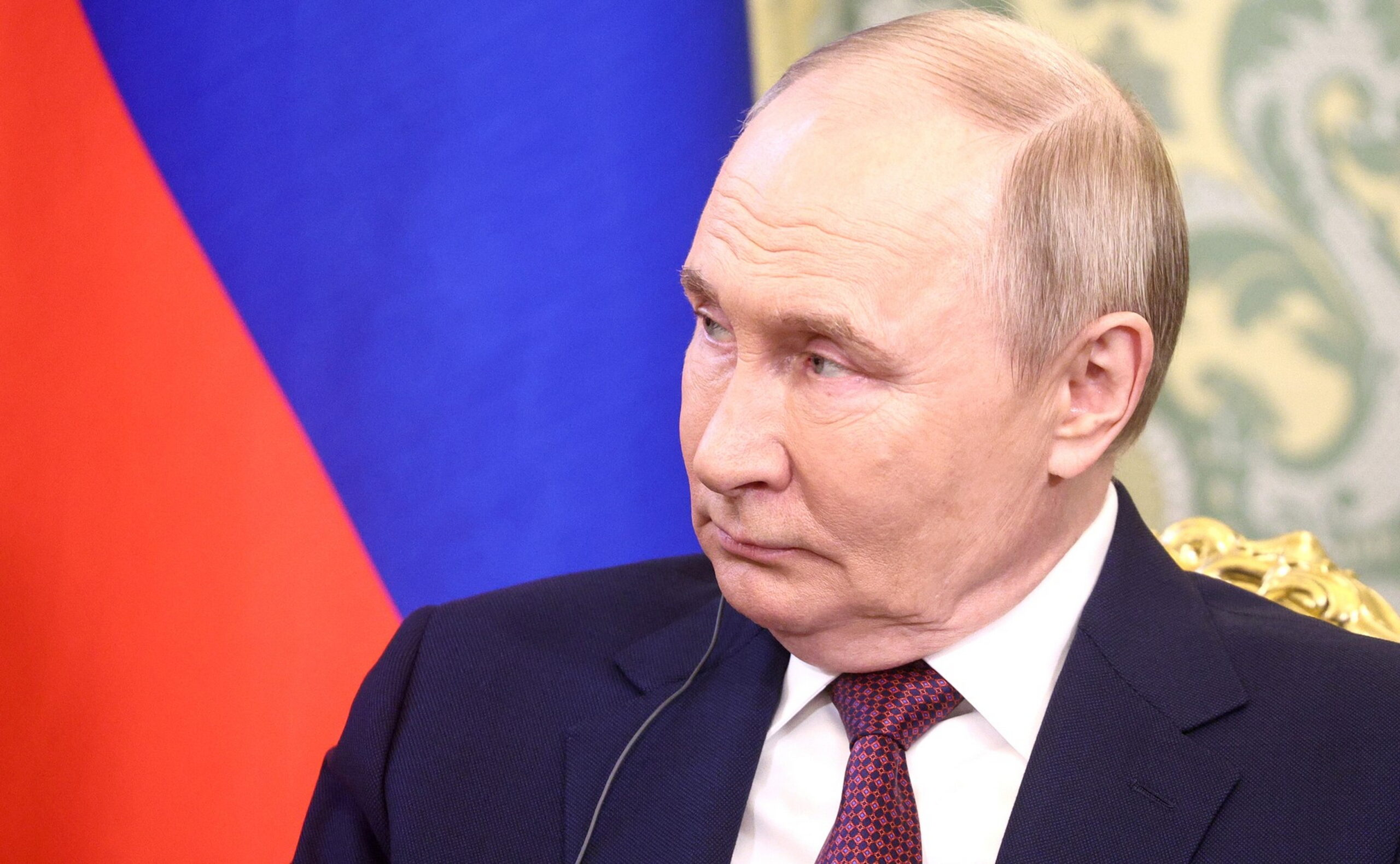
Immediately, during a press conference, Kremlin spokesman Dmitry Peskov responded that the “ultimatums” issued by EU leaders are “unacceptable” and that “one cannot speak to Russia with such language.” Meanwhile, away from the cameras, the diplomacies of the 27 member countries are finalising the seventeenth package of sanctions against Moscow, which has been in the works since late February (i.e., since the sixteenth was adopted) and is now almost ready. According to diplomatic sources, the European Commission has submitted some amendments to the package to follow up on comments made by capitals, and “in recent days, the Polish presidency of the EU Council has been working with member states to improve the package.”
The same sources reveal that more ships from the so-called shadow fleet, with which the Russian Federation circumvents the European embargo on oil and other goods, have been added to the list of vessels subject to restrictive measures, bringing their number to “almost 200.” Some countries, notably the Baltic and Scandinavian ones, are also pushing for sanctions on Russian liquefied natural gas (LNG) and the state-owned atomic company Rosatom.
The green light from COREPER, the Committee of Permanent Representatives of Member States, could come on Wednesday. “Most delegations support the proposal. Some have asked for a little more time to conclude further analysis,” the sources confirmed. At that point, the foreign ministers of the 27 could formalise the 17th sanctions package as early as the following day, Thursday, May 15. That is, unless Moscow sends a strong signal and responds to Brussels’ appeal (or “ultimatum”).
English version by the Translation Service of Withub


![Da sinistra: il presidente del Consiglio europeo, Antonio Costa; il presidente dell'Ucraina, Volodymir Zelensky: la presidente della Commissione europea, Ursula von der Leyen [Bruxelles, 18 giugno 2024. Foto: European Council]](https://www.eunews.it/wp-content/uploads/2026/06/euco_ua260618-120x86.jpg)
![[foto: Saverio De Giglio/imagoeconomica]](https://www.eunews.it/wp-content/uploads/2026/10/cpt-120x86.png)