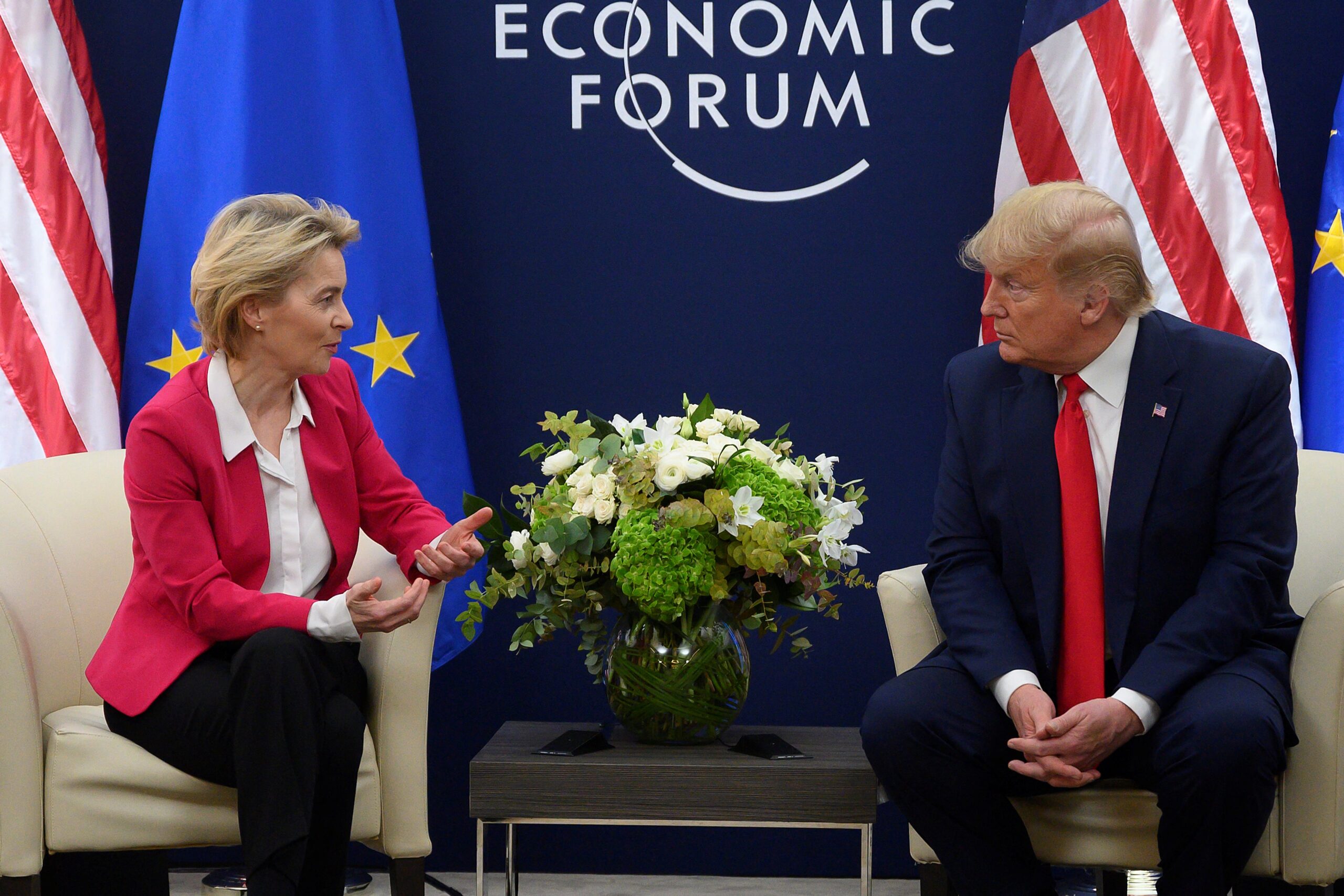
Brussels – A new step back by Donald Trump on tariffs on EU goods. After the threat, which came as a thunderbolt, of 50 percent tariffs on all imports from June 1, yesterday (May 25), the US president received a phone call from Ursula von der Leyen. The EU leader allegedly convinced him – the conditional is now a must – to freeze the reciprocal tariffs and keep the dialogue open until July 9, reconfirming the 90-day extension decided on April 9.
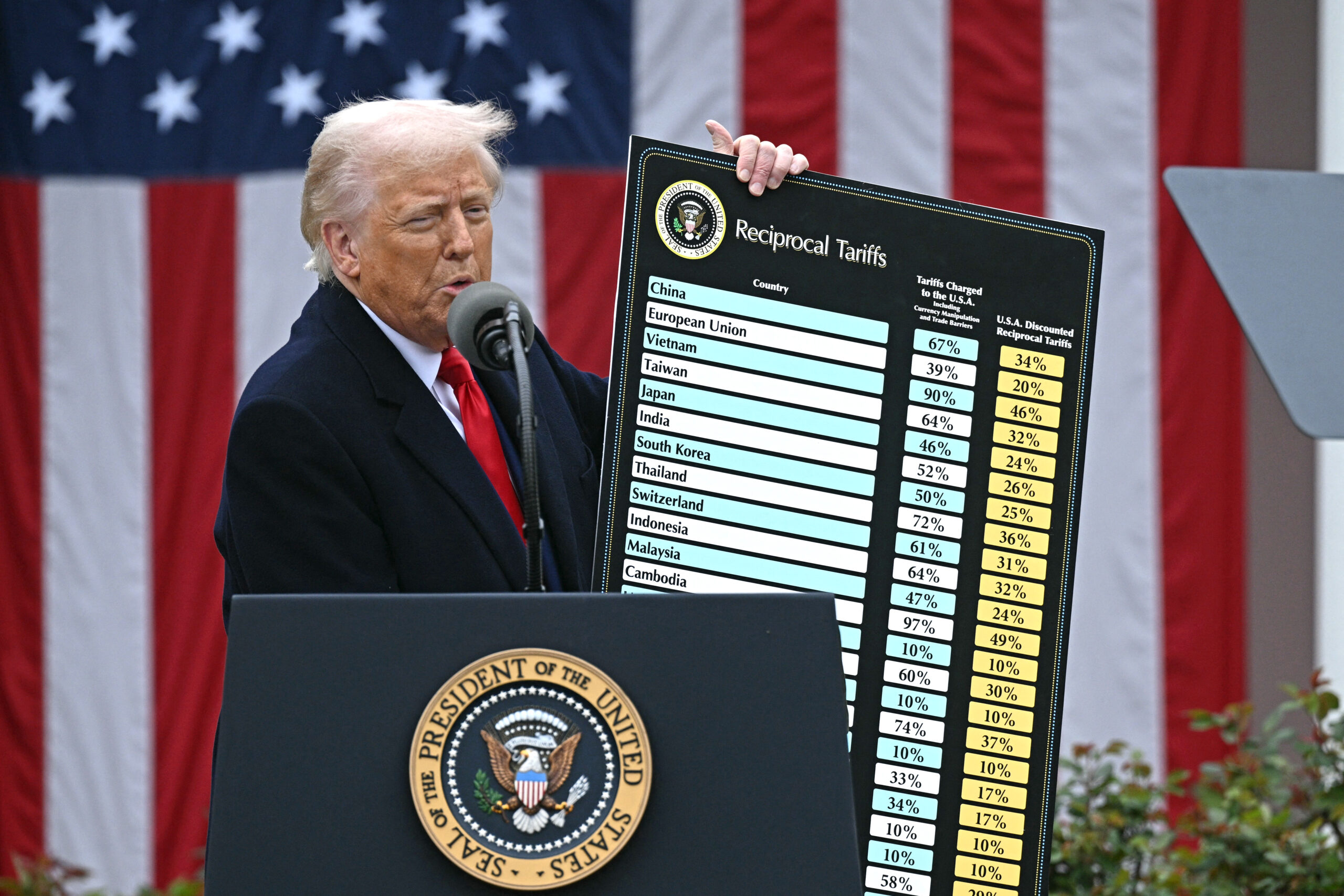
“A good phone call,” von der Leyen called it. The first since the tycoon returned to the White House. “The EU and US share the world’s most consequential and close trade relationship. Europe is ready to advance talks swiftly and decisively. To reach a good deal, we would need the time until July 9,” said the President of the European Commission in a post on X. On the other end of the phone, Trump “agreed to the extension.” “It was my privilege to do so. The Commission President said that talks will begin rapidly. Thank you for your attention to this matter!” he wrote on her social Truth. In reality, EU countries are still subject to reciprocal tariffs of 10 percent on all exports to the US and 25 percent on steel, aluminium and derivatives, cars, and components exports.
The good thing is that for the first time, Washington and Brussels established a direct confrontation at the highest level on the issue. “It is thanks to Italy if we have had this direct von der Leyen-Trump relationship,” Italian Foreign Minister Antonio Tajani said this morning. To maintain the role of mediator she has skillfully carved out — and which the direct channel between the two leaders is now threatening — Giorgia Meloni is reportedly accelerating diplomatic efforts to orchestrate a European summit before D-Day.
Setting aside Rome’s actual or presumed role, the phone call and the statements from Trump and von der Leyen that immediately followed brought a wave of optimism. It can be seen in the reaction of European stock exchanges, which woke up today with a sharp rise, with the Dax in Frankfurt at +1.76 percent, Cac40 in Paris at +1.36 percent, and the Ftse Mib in Milan at +1.53 percent.
Now the ball is back in the court of Maroš Šefčovič, the European Trade Commissioner, who is leading the complex negotiations with his American counterparts. So far, the Slovakian socialist is returning from Washington empty-handed every time: on Friday (23 May), the latest round of negotiations led to Trump’s furious announcement – that he even doubled the burden of tariffs on EU imports compared to what was planned on ‘Liberation Day‘ – accompanied by the comment: “Our discussions with them are going nowhere!”
After talks with US Trade Representative Jamieson Greer and Commerce Secretary Howard Lutnick, Šefčovič bluntly stated that EU-US trade “must be based on mutual respect, not threats.” He added that Brussels is “ready to defend our interests. Should talks fail, Plan B, unveiled by the European Commission, envisages countermeasures on a list of American products worth EUR 95 billion and formal proceedings against Washington at the World Trade Organisation. However, Brussels also has an ace up its sleeve with which to threaten Trump: the anti-coercion tool, with which it could heavily tax the profits of American big tech in the old continent.
English version by the Translation Service of Withub

![[foto: imagoeconomica]](https://www.eunews.it/wp-content/uploads/2023/09/Imagoeconomica_1917240-scaled.jpg)



![[Copyright: European Union]](https://www.eunews.it/wp-content/uploads/2026/10/euco-261015-120x86.png)