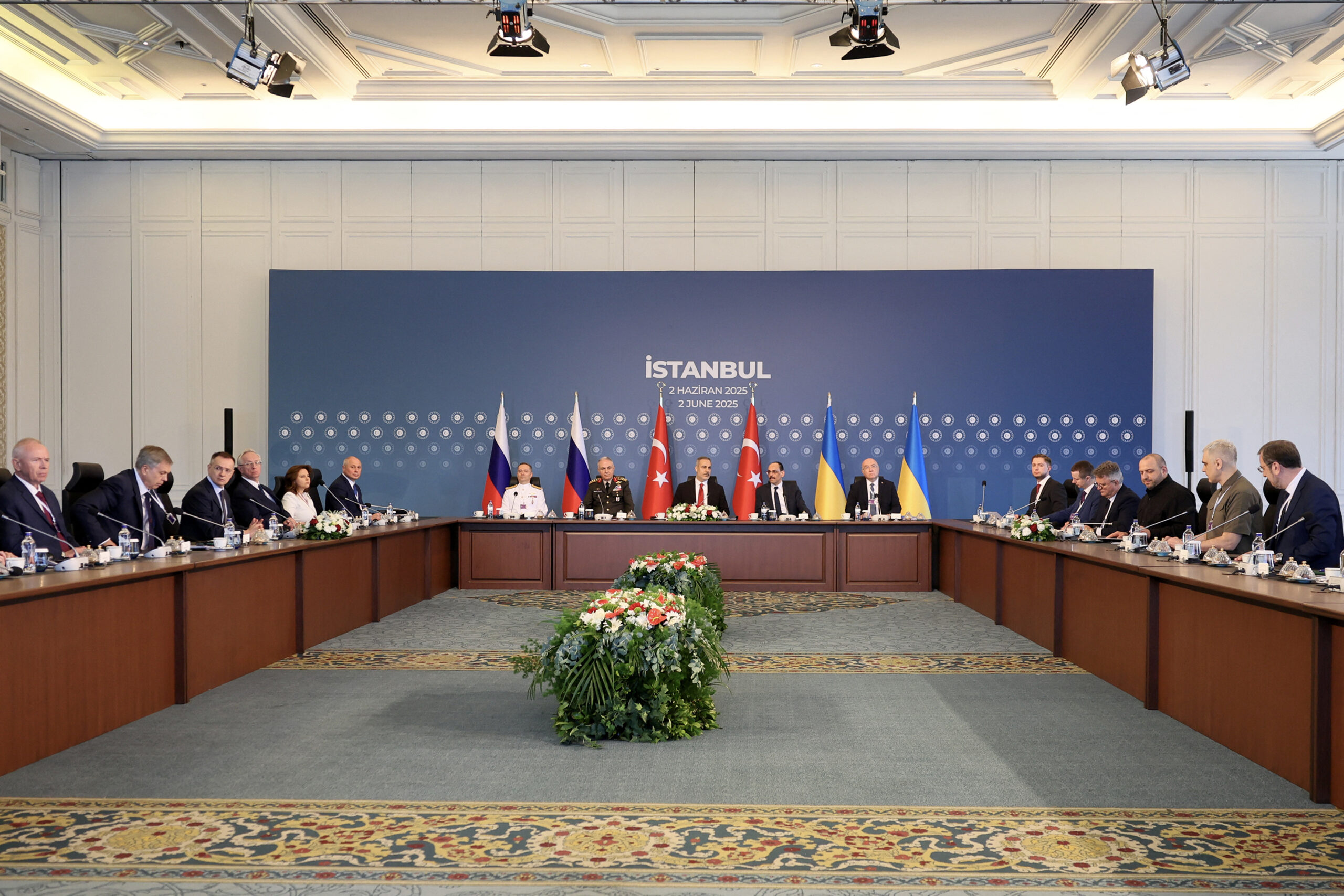
Brussels – Ukraine and Russia are trying again but without making substantial progress. Delegations from Kyiv and Moscow met again in Istanbul to continue direct talks on ending the war. There is an understanding on a prisoner exchange and the return of a large number of bodies, but the positions on a possible ceasefire remain irreconcilable. In the meantime, bombs continue to fall on both sides of the border.
Aside from speculation about phantom peace talks in the Vatican, the Russians and Ukrainians continue to meet in Istanbul. A new round of direct negotiations took place yesterday (June 2) between the delegations of the two belligerents, sitting at the same table for the second time since March 2022.
The first face-to-face dates back to mid-May, when the negotiating teams had agreed on an exchange of 1,000 prisoners on each side, but without making progress on the central issue of the talks: the conditions for a sustainable ceasefire and, in the long run, the start of real peace talks.
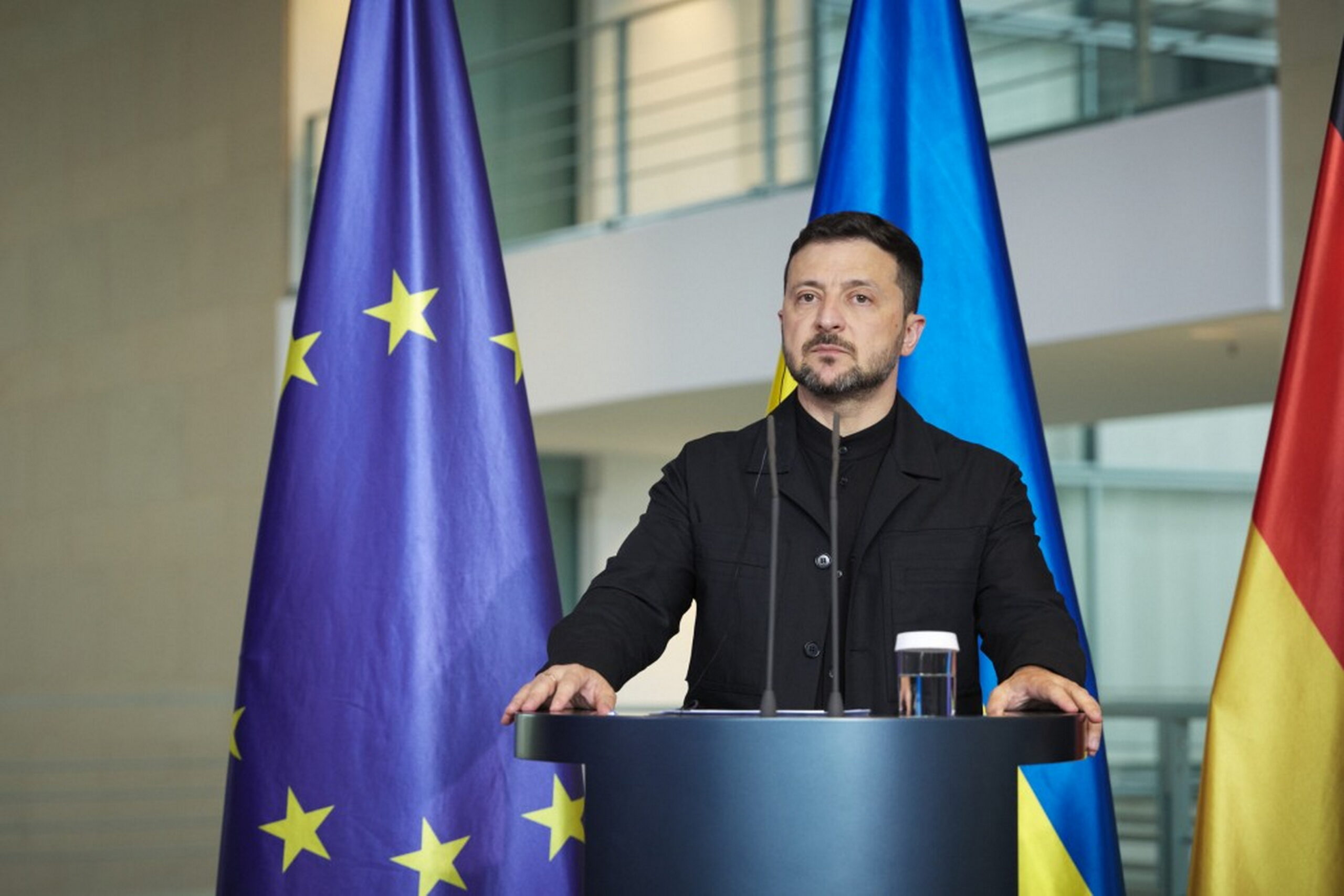
Once again, in the ancient city on the Bosphorus, the negotiators from Kyiv and Moscow gave the green light to the release an unspecified number of prisoners – mainly the youngest soldiers, aged between 18 and 25, and the most seriously wounded – and to replace 6,000 fallen soldiers on each side.
The gap between the respective positions on how to achieve a temporary halt in hostilities — the starting point for substantive negotiations on a lasting peace — remains vast. Ukraine and Russia have exchanged memorandums outlining the conditions they see acceptable for a truce, but the demands put down in writing by the two sides are still the same. And they are irreconcilable.
To enter into substantive negotiations, Kyiv continues to demand an immediate and total ceasefire, the release of all military and civilian prisoners, and the return of minors abducted during the occupation. Two other crucial points are Ukraine’s freedom to join both the EU and NATO, subject to political consensus within the two clubs, and the controversial (as well as vague) security guarantees that the coalition of the willing should provide.
I briefed the President of Ukraine mid-May on today’s meeting with the Russian side in Istanbul.
Upon returning to Kyiv, I will also present the Russian proposals — which they shared only today, directly during the negotiations.
The Ukrainian side acted clearly and… @ZelenskyUa
– Rustem Umerov (@rustem_umerov) pic.twitter.com/MYuw15BPQw#
Kyiv also supports the need for a face-to-face between Volodymyr Zelensky and Vladimir Putin. “We believe that it makes sense to continue the work between the delegations if it is aimed at preparing a meeting between the heads of state,” noted chief negotiator Rustem Umerov, the Ukrainian Defence Minister. The window he proposed for organizing the bilateral meeting – perhaps in the presence of Donald Trump – is “by the end of this month, from June 20 to 30.”
The Ukrainians point out that talks about any territorial concessions should take place at the highest level between the two presidents. If these conditions are met, Kyiv says it is willing to accept the gradual easing of sanctions against Moscow, provided a mechanism is put in place to reintroduce them quickly if necessary. Zelensky also called for new restrictive measures if the Istanbul process does not lead to a ceasefire soon.
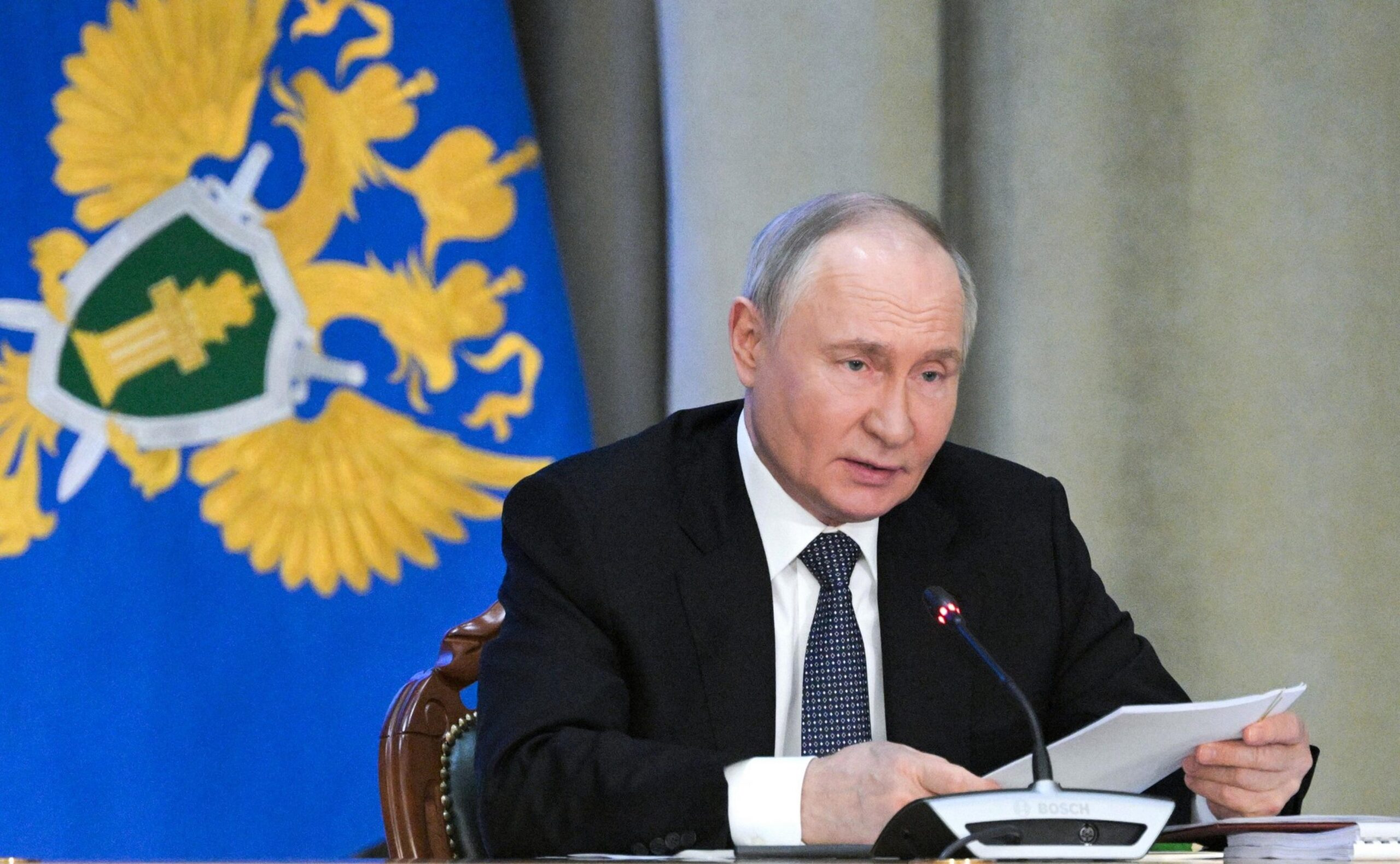
These are clearly inadmissible conditions for the Kremlin, which in turn maintains its maximalist demands that Kyiv already rejected. The Federation demands the end of Western support to Ukrainian resistance, the “neutralization” of the attacked country as well as the renunciation of joining the North Atlantic Alliance, and the recognition of the four partially occupied oblasts (plus Crimea) as Russian territory de jure and the removal of all international sanctions.
.
Concerning the ceasefire, the Russian chief negotiator Vladimir Medinsky (the same who led the Russian team in the first phase of the Istanbul talks three years ago) proposed a partial truce of two and or three days to be activated only in some regions of the front during the negotiations.
This second round of talks in Istanbul took place after the most significant Ukrainian attack on Federation soil since the start of the full-scale invasion, which allegedly led to the destruction of dozens of bombers. Thus, among the demands the Kremlin made was “the refusal by Kyiv to engage in subversive and sabotage activities against Russia.”
English version by the Translation Service of Withub




![Il ministro dei Trasporti, Matteo Salvini [Bruxelles, 5 dicembre 2024. Foto: Emanuele Bonini per Eunews]](https://www.eunews.it/wp-content/uploads/2024/12/salvini241205-120x86.jpeg)