Brussels – After 12 years of stalemate, the member states have unblocked the impasse on the civil aviation dossier by agreeing on, among other things, the rights of passengers to reimbursement in the event of delayed or cancelled flights and the rules on hand luggage. For MEPs and consumer protection associations, however, this is an undue gift from the chancelleries to the airlines.
The Transport Ministers of the Twenty-Seven reached an agreement last night (5 June) on the long-standing issue of passenger rights and airline liability, unblocking a file that had been stalled at the Council table since 2013. The new rules better clarify the rights already provided for passengers by the EU legislative framework, while introducing some new elements.
For example, the right to re-routing in the event of disruptions in the flight itinerary is reaffirmed, which must also be offered to passengers promptly via alternative carriers or means of transport (alternatively, a refund of up to 400 per cent of the original ticket cost is foreseen). Similarly, airlines must provide assistance to passengers (including beverages, food, and accommodations) in the event of cancellations and delays, as well as adhere to stricter criteria for communication with consumers, from purchasing services to handling complaints and claims.
A bitter political battle was indeed fought over compensation. Overcoming opposition from a group of countries led by Germany and Spain, the Council approved an update of monetary compensation and the thresholds for accessing it. The previous regulations provided for the possibility of requesting compensation of between €250 and €600 for delays of three hours or more.
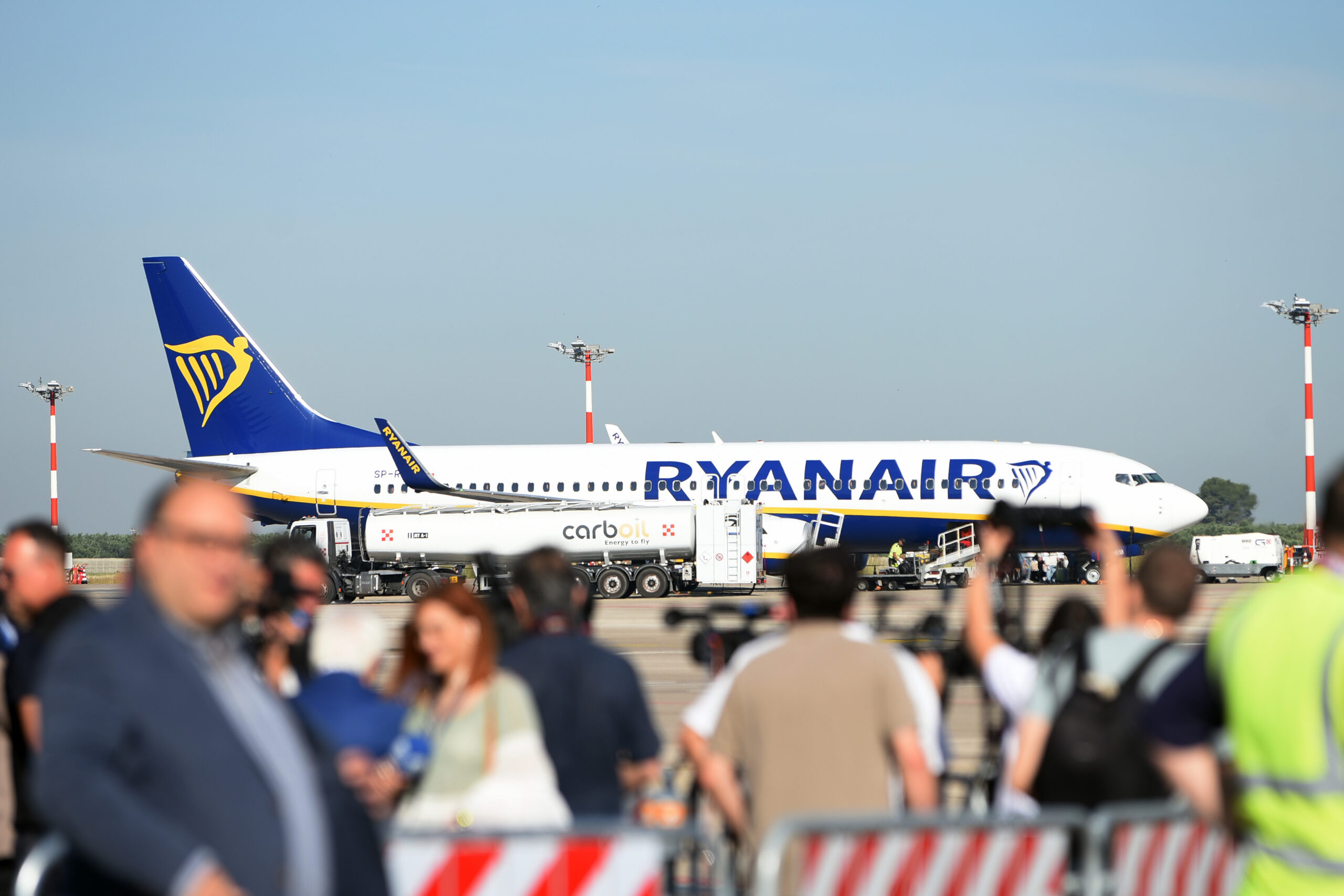
Now, however, unless airlines can prove that they have taken “all reasonable measures” to avoid disruptions caused by “extraordinary circumstances”, passengers may be reimbursed up to €300 for delays of more than four hours on intra-EU flights and on routes less than 3,500 kilometres, and up to €500 for delays of more than six hours on longer journeys. These compensations can only be claimed by passengers if the notification of flight cancellation occurs less than 14 days before departure. It is up to the airline to provide pre-filled forms for reimbursement.
Now the ball passes to the European Parliament, where some groups are already on the barricades. For the Socialists (S&D), for example, the compromise reached by the Council disproportionately favours carriers at the expense of end users. “People are not asking for a favour from the airlines: they pay handsomely for services and, when these services are not provided, they deserve proper treatment and reasonable compensation,” says Vice-President Mohammed Chahim, according to whom “the new rules will result in a reduction of passenger rights.”
The European Consumers’ Organisation (BEUC) also took the same line, according to which “the new eligibility thresholds (of claims, ed.) will deprive most passengers of their right to compensation, because the majority of delays are between two and four hours.”
The BEUC is also targeting the new rules concerning hand luggage. The Council’s proposal envisages free hand luggage only if it can be stored under the seat, while allowing carriers to charge extra fees for other items that passengers bring into the cabin. “Airlines should stop charging passengers for hand luggage,” noted director-general Agustín Reyna, since EU law and the jurisprudence of the Court of Justice of the EU have established that “hand luggage is an essential aspect of passenger transport.”
English version by the Translation Service of Withub