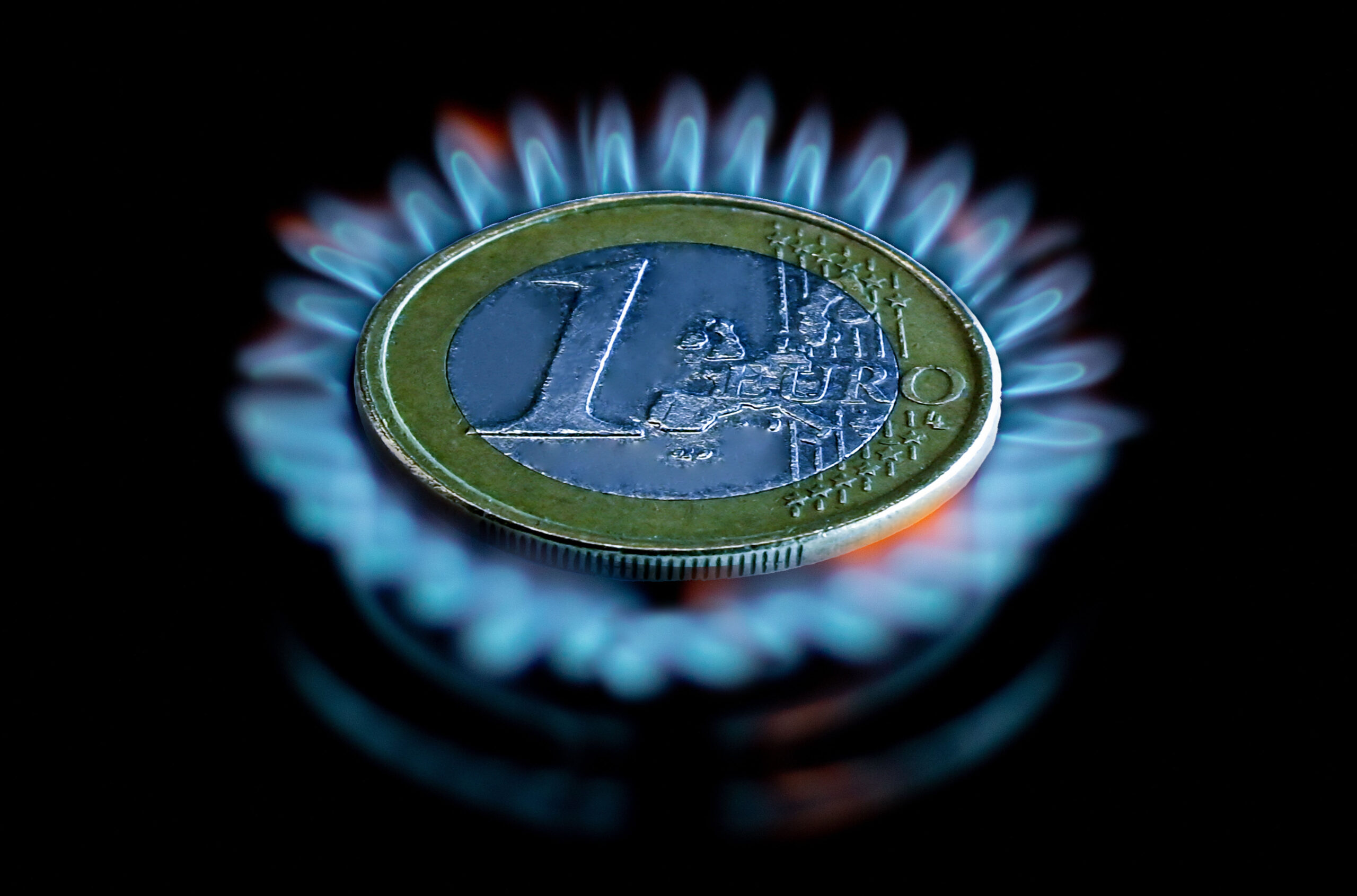
Brussels – Now, the conflict between Iran and Israel is starting to strike fear into the European Union. The nightmare of high energy bills following the conflict between Russia and Ukraine is resurfacing, and Economy Commissioner Valdis Dombrovskis makes no secret of it. “The recent rise in tensions between Israel and Iran has already resulted in higher oil prices and an increase in energy prices, and if this continues, it could affect production costs and bills in the EU,” he acknowledges publicly before the start of the Eurogroup works.
This fear is probably already felt among the eurozone’s economic ministers, but one that Dombrovskis himself shares with those around the table when discussing economic developments. “There is a lot of uncertainty,” Dombrovskis reiterates once again, and the conflict between Israel and Iran only adds to it.
For the moment, no shocks, the eurozone economy remains capable of absorbing these tensions, even if Dombrovskis jibes and says, verbatim, that “it remains turbulent”. A slip, to be sure, but one that betrays the feelings and fears brooding over scenarios that one hoped were definitively behind us. Instead, they could lead the EU and the eurozone to consider new measures to support the economy and strategies to curb inflation. The talks convened in Geneva with representatives of the Islamic Republic’s government may therefore also serve to defuse the new threat of high energy prices.
English version by the Translation Service of Withub