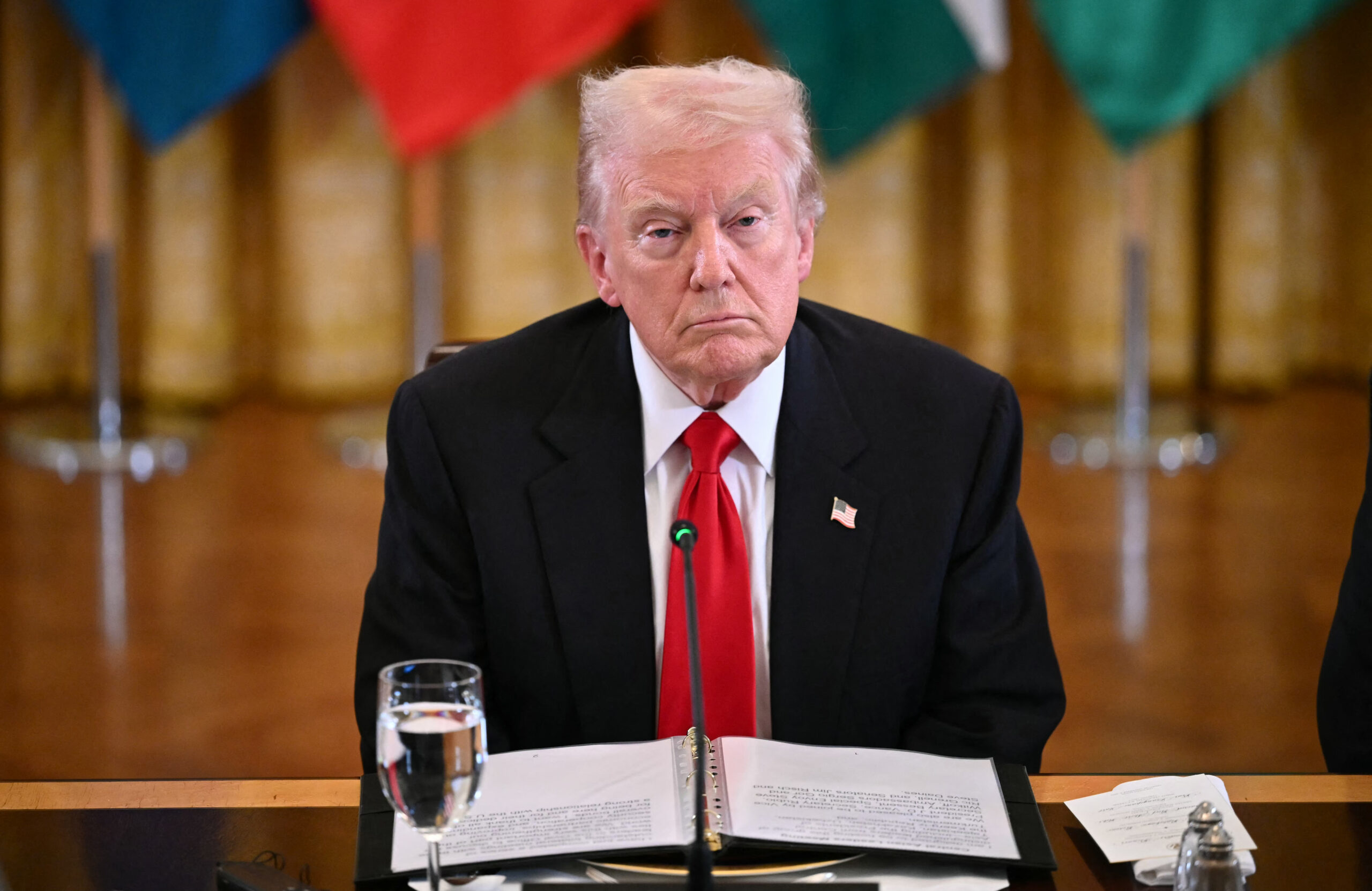

Brussels – If Donald Trump does not go to Central Asia, Central Asia flies to Donald Trump. Yesterday (6 November), the US president hosted at the White House his counterparts from the five countries in the region, which is particularly strategic at this historical stage: Kassym-Jomart Tokayev (Kazakhstan), Sadyr Japarov (Kyrgyzstan), Emomali Rahmon (Tajikistan), Serdar Berdimuhamedow (Turkmenistan), and Shavkat Mirziyoyev (Uzbekistan).
It was the first time that Central Asian heads of state were all welcomed together in the US capital. The meeting was an opportunity to celebrate the 10th anniversary of the C5+1 format, by which Washington institutionalised its cooperation with Astana, Bishkek, Dushanbe, Ashgabat, and Tashkent in the economic and energy sectors, but especially on security (particularly following the withdrawal from Afghanistan in 2021 and the Russian invasion of Ukraine the following year).

Now, Trump would like to make the critical raw materials in which the Central Asian region is rich (with large reserves of uranium, copper, gold, tungsten, and rare earths, among others)—the core of relations among the C5+1 members. The countries of the region already sell these strategic products to Beijing and Moscow in much larger quantities than they export to Western partners.
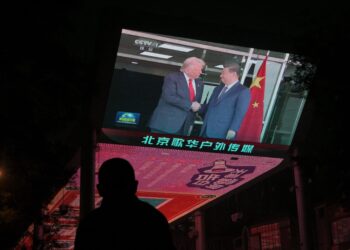
What upsets Washington and Brussels, however, is the fact that China holds the world monopoly in the extraction and processing of these minerals, indispensable for digital, military, and green technologies (and for contending for global hegemony in the 21st century), and has recently caused turmoil in both the United States and the EU by imposing controls on exports of these key products.
As seen recently in the meeting with the leaders of Armenia and Azerbaijan, the tycoon once again fielded his direct, muscular, and transactional approach. Do ut des. “One of the key items on our agenda is critical minerals,” he stated candidly, emphasising the need to “expand our supply chains” around the world. Starting with the countries that, he specified, “once hosted the ancient Silk Road linking East and West.”
Geographical bridge, but also, indeed, a well-stocked mine. In an attempt to break the Dragon’s monopoly, Washington established the Minerals Security Partnership (MSP) with Kazakhstan and Uzbekistan in 2022, which was extended to the rest of the C5 last year. In yesterday’s talks, Trump secured the opening of important mineral deposits in the region to exploitation by US companies.

In return, Uncle Sam offered investment opportunities in the US across several crucial sectors, including automotive, aviation, and digital technology, and agreed to the sale of dozens of Boeing jets. Trump also secured the signing, albeit symbolic, of the Abraham Agreements by Kazakhstan, a Muslim-majority country. The 2020 treaties, among the tycoon’s main foreign policy legacies in his first term, aim to normalise diplomatic relations between Israel and its regional neighbours in an anti-Iran context.
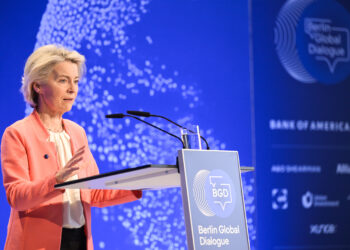
And the European Union? The EU leadership seems to have realised the region’s strategic potential only rather late. In January 2024, it promised investment of €10 billion in sustainable mobility through the Trans-Caspian Corridor. Last April, Ursula von der Leyen announced another 12 billion for cooperation on critical raw materials and energy. In the following months, Brussels began to focus on exporting green tech made in the EU to Central Asia, and then concentrated explicitly on rare earths.
But given current production levels, removing dependence on Beijing is far from easy. For now, the EU can breathe a sigh of relief. The danger of a total stop of imports from China has been averted—and indeed not thanks to the European negotiators—at least for the next 12 months. It remains to be seen whether and how this “gained” year will be used to rebalance these structural asymmetries. Trump’s United States has made its move. What card will the Twenty-Seven play?
English version by the Translation Service of Withub