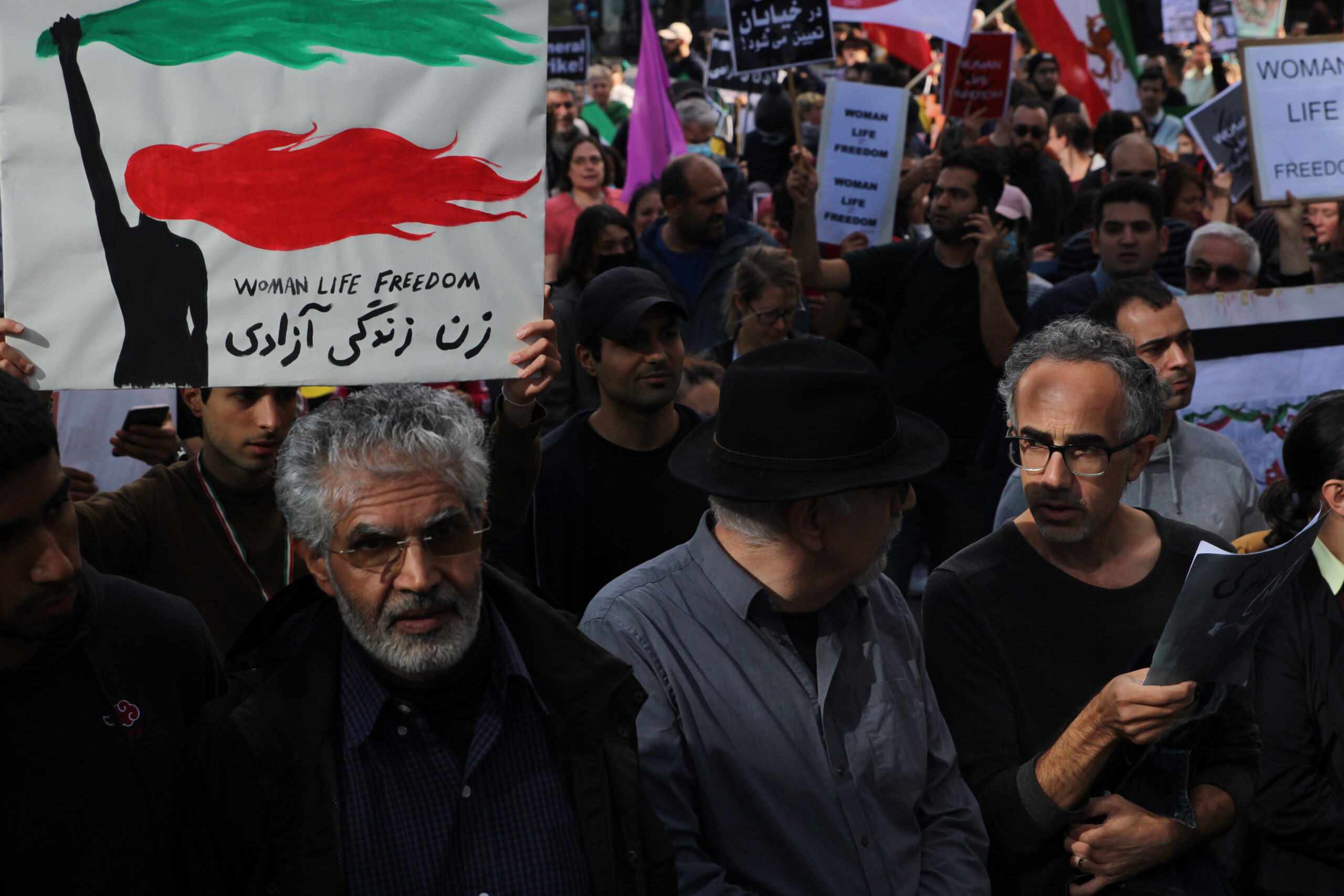
Brussels – Three years after the “Women, Life, Freedom” movement that erupted following the killing of young Mahsa Amini, the Ayatollah regime is once again hanging in the balance. This time, however, in addition to the strength of the protests that have been going on for thirteen days, there is a much more unstable regional context, marked by dangerous tensions between Iran and Israel last spring, and Donald Trump in the White House. From Brussels, the EU stands with the Iranian people who “are expressing their legitimate aspiration for a better life.”
Several human rights organisations have accused Tehran’s security forces of opening fire on demonstrators who have taken to the streets of Iran’s major cities since 28 December to protest against the prohibitive cost of living. According to the International Human Rights Organisation (IHR), at least 45 people have been killed, including eight minors. According to the Human Rights Activist News Agency (HRANA), 2,270 protesters have already been arrested. Between yesterday and today, the regime imposed an Internet blackout across the country: Iran “was disconnected for 12 hours in an attempt to stifle the wave of protests,” reported the cybersecurity monitoring NGO Netblocks.
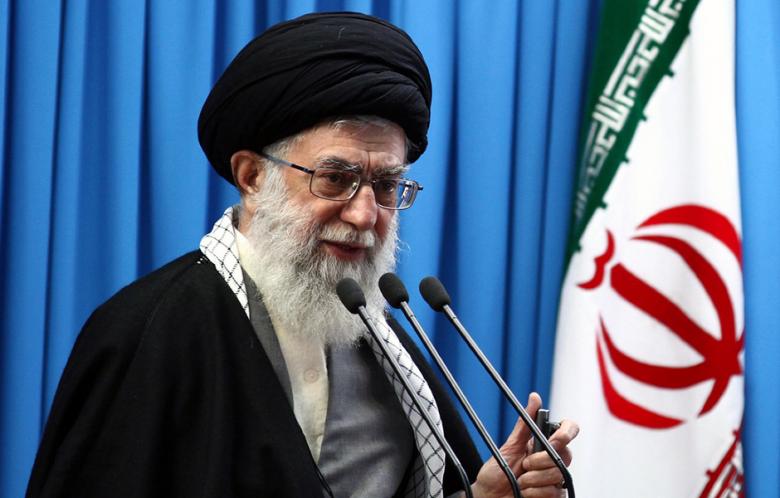
In a speech broadcast on state television, the Supreme Leader of the Islamic Republic, Ali Khamenei, challenged the protesters: “Everyone should know that the Islamic Republic came to power with the blood of hundreds of thousands of honourable people and will not yield to saboteurs,” he said, accusing alleged third countries of wanting to destabilise Iran. The number one enemy is Donald Trump: “His hands are stained with the blood of Iranians,” attacked Khamenei, who holds Washington responsible for the blitzkrieg between Tehran and Tel Aviv last June.
In an interview with Fox News, the tycoon threatened the Iranian regime: “In the past, they have shot people indiscriminately. If they do it again, we will hit them very hard. We can hit them hard. We are ready to do so,” Trump said. Reza Pahlavi, son of the last Shah overthrown in 1979 by the Ayatollahs, who lives in the United States and thanked Trump for putting pressure on the regime, is also calling on Iranians to take to the streets. He has asked European leaders to do the same.
Yesterday, the President of the European Parliament, Roberta Metsola, who in 2023 symbolically honoured the late Mahsa Amini with the Sakharov Prize for Freedom of Thought, praised “the uprising of the courageous Iranian people.” In a video on her social media accounts, Metsola addressed the protesters directly: “Your pride and dignity as a people determined to build a great free nation will be a source of inspiration for future generations in Iran and around the world. Europe has always been by your side and will continue to be there for you,” said the EU leader.
The European Commission, which in recent years has imposed sanctions on more than 230 individuals and 40 entities deemed responsible for repression and human rights violations in Iran, “is closely monitoring the situation,” Foreign Affairs spokesman Anouar El Anouni assured today. “We express our concern about the growing number of deaths and injuries and reject any violence against peaceful protesters,” the spokesman continued, urging the Iranian authorities “to respect the rights to freedom of expression and peaceful assembly and to restore internet access for all.” For Kaja Kallas, EU High Representative for Foreign Affairs, “blocking internet access while violently suppressing protests exposes a regime that is afraid of its own people.”
English version by the Translation Service of Withub