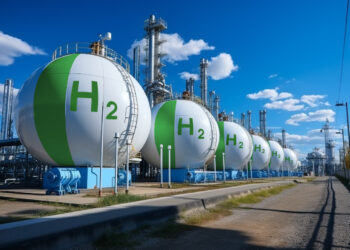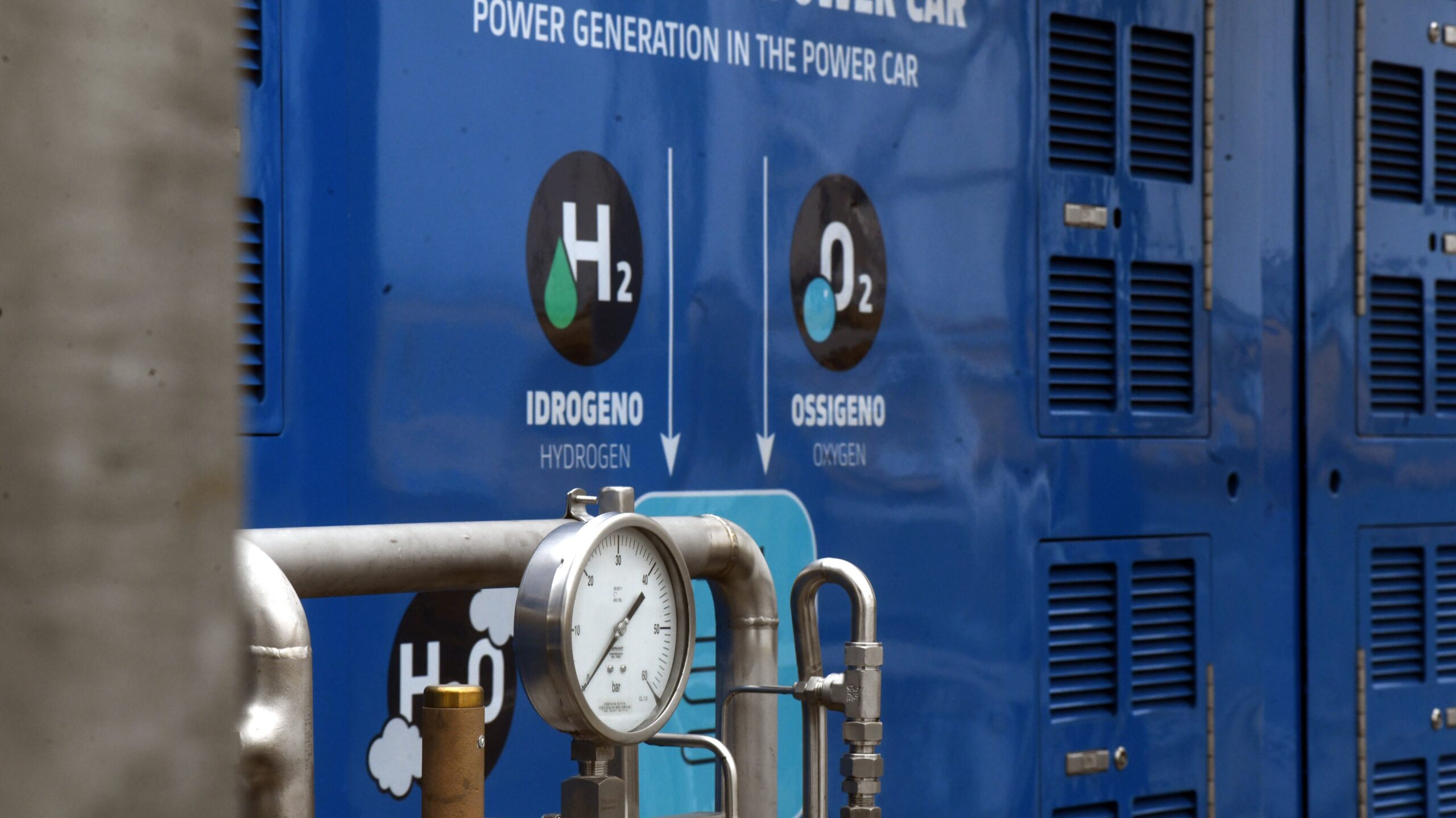

Brussels – Over one billion euros for nine European hydrogen projects to accelerate the transition to a clean economy: the European Commission continues to fund sustainability initiatives linked to this energy source as part of the hydrogen strategy. Greece, Spain, Denmark (2 projects), Austria, Finland, Germany, and Norway (2 projects) are the countries recognised by the EU executive for the construction of innovative plants capable of producing, in total, approximately 1.1 gigawatts of electrolysis capacity and over 1.3 million tonnes of hydrogen in the first 10 years of operation, with an estimated reduction in greenhouse gas emissions of 9 million tonnes of CO2 equivalent.
The aim of the EU executive and the approved initiatives is to use the hydrogen produced to cut greenhouse gas emissions from energy-intensive sectors such as transport and the chemical industry. Approximately €1.09 billion in EU funding from the Innovation Fund, derived from the EU Emissions Trading System (ETS), will be allocated to the selected projects. Each project will receive a fixed grant of between €0.44 and €3.49 per kilogram of certified and verified hydrogen produced, for a maximum period of 10 years.
“These investments will accelerate the transition to a clean environment, consolidating Europe’s energy independence and security,” says Wopke Hoekstra, Commissioner for Climate Action, who is convinced that with these measures the EU will be able not only to ensure sustainability but also to “strengthen European industrial competitiveness.”
Following the selection process, the European Executive Agency for Climate, Infrastructure and the Environment (CINEA) will begin the formal preparation of grant agreements with the selected projects. This phase will confirm the final terms of the financial support, including the fixed award per kilogram of hydrogen and the implementation timeline. The agreements are expected to be signed in the final quarter of 2026.
English version by the Translation Service of Withub