
Brussels – For years, the European Union has portrayed itself as the great guardian of global free trade. Today, however, something is changing, with an increasing number of world powers appearing ready to challenge this system. And a non-paper (the typical informal document produced by governments to facilitate debate on a specific issue) addressed to the leaders in Brussels and released today (25 May) reflects the growing concerns on this matter held by several Member States. The document, backed by the governments of Italy, Spain, France, the Netherlands, and Lithuania, is dedicated to strengthening European trade defence and paints a picture of the Union—a part of it— that is decidedly more focused on protecting its industrial base than in the past.
For the signatory countries, the fact that the EU industry is suffering is beyond dispute (the figures cited in the document indicate that one million jobs were lost between 2019 and 2025), and the diagnosis is clear-cut. According to the text, “the multilateral trading system based on a set of common rules applied by all members of the World Trade Organisation (WTO, ed.) is today undermined by various actors and the rise of unfair trade practices.” In particular, it is precisely some of the Union’s main economic partners that are “breaking with this multilateral framework.”
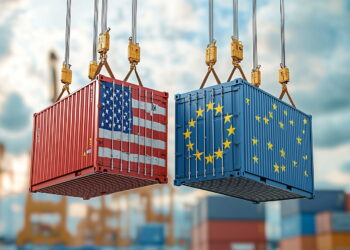
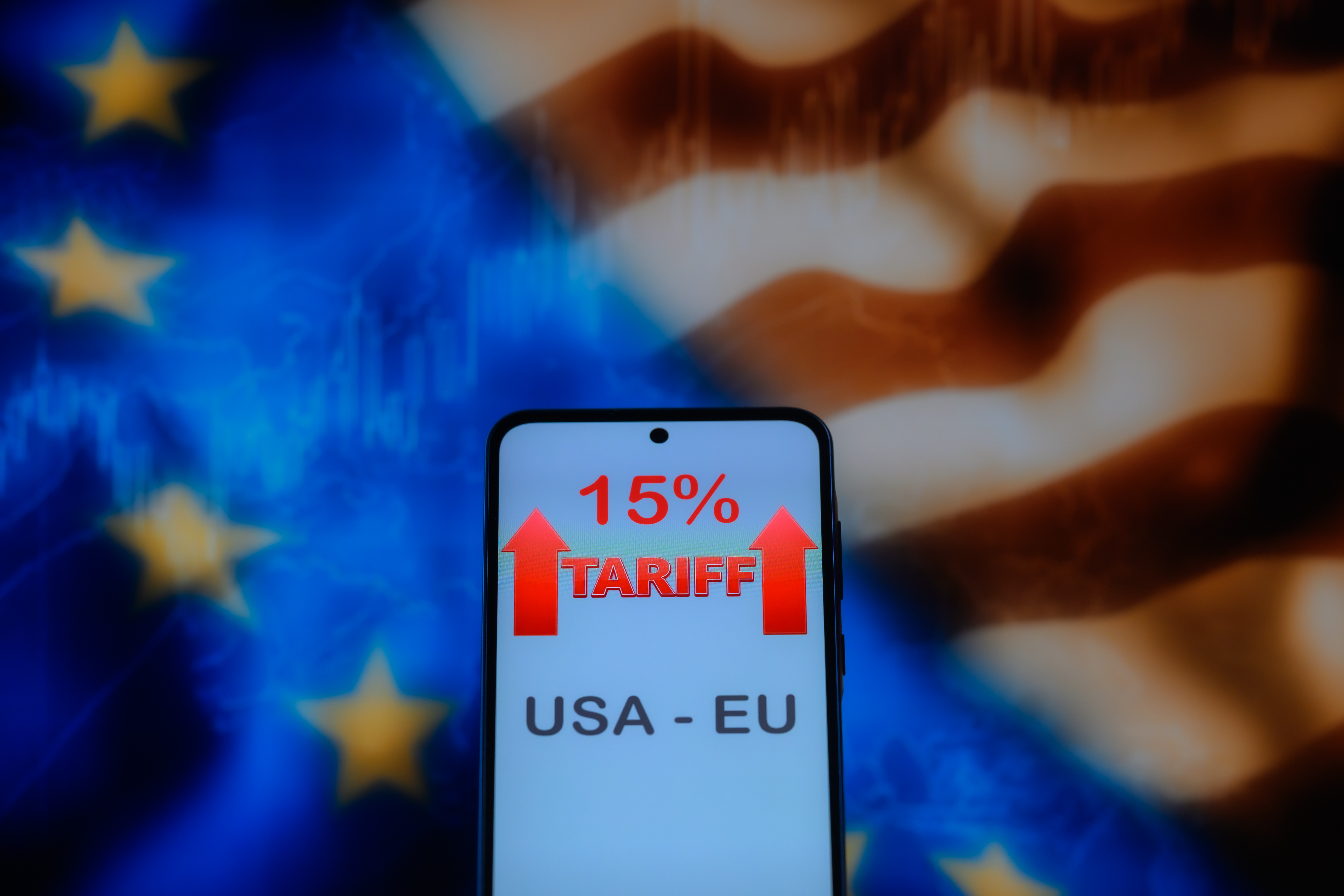
Although their names are never mentioned in the six-page report, it is clear that the finger is being pointed primarily at the United States and China. Washington is implicitly accused of reverting to a protectionist, tariff-based policy not seen since the end of the Second World War. Beijing, on the other hand, is “guilty” of adopting unfair practices such as dumping, trade triangulation, and the instrumental exploitation of Europe’s strategic dependencies.
In such a context—so argue the signatories of the non-paper—Europe cannot continue to view free trade as an untouchable dogma. At least not while the rest of the world continues to flout it. For this reason, an “appropriate response” is needed to “restore a level playing field so that trade can flourish and competition can play its full role within a more secure legal framework.”
A more efficient and strategic DG Trade
The first request put forward by the five countries concerns a very specific issue: the perceived slowness of the European machinery. In recent years, the Commission’s DG Trade has seen a surge in anti-dumping and anti-subsidy investigations, but its resources have been deemed insufficient.
For this reason, the document calls for the immediate strengthening of staff and capacity within one of the Berlaymont’s most important operational units. “Staffing issues must not be allowed to become a limiting factor for the number and quality of future investigations, and the current backlog cannot wait until the next multiannual financial framework to be resolved,” the text states.
But that’s not all. The non-paper also proposes moving away from the “first-come, first-served” principle in the management of investigations, replacing it with a mechanism based on “giving greater priority to strategic cases and sectors.” In other words, sectors considered crucial to the Old Continent’s strategic autonomy should take precedence, regardless of when the request for intervention was submitted to DG Trade.
The role of safeguard mechanisms and anti-circumvention measures
Other short-term proposals include greater use of so-called safeguard measures, i.e., measures provided for under the WTO to address sudden surges in imports.
So far, Brussels has rarely used them (only twice, according to the non-paper) and in a way that the signatory countries describe as “product-by-product”. This approach is considered unproductive, as crises are now increasingly affecting entire industrial supply chains, creating “systemic disruptions” that impact “various segments of the value chain.”
Hence, the proposal is to adopt a broader and more flexible approach. The text argues that “the Commission should shape its approach on the basis of these more sector-specific cases and adopt a more open stance towards safeguard measures, so as to provide more efficient and agile protection.”
Shifting focus from the short term to the medium term, the document proposes an even more ambitious solution. This involves strengthening anti-circumvention measures to ensure that, should Brussels find itself having to deal with tariffs imposed by its traditional trading partners, the reverse principle also applies, and third countries cannot find loopholes to avoid paying European tariffs.
In recent years, Brussels has frequently accused foreign companies of circumventing trade measures by relocating small stages of production to third countries. A Chinese product, for example, may be assembled or finished in Vietnam, Turkey, or Taiwan and then re-exported to the EU with a different customs origin. According to the document, “although such practices sometimes constitute clear circumvention, current rules and their application by the Commission do not always allow them to be effectively countered.”
The European thresholds—at least 25 per cent local added value and less than 60 per cent of components originating in the country subject to tariffs—are now considered insufficient. For this reason, it is proposed to tighten them: to lower the maximum share of components originating from the sanctioned country from 60 per cent to 50 per cent and to increase the minimum required added value from 25 per cent to 40 per cent.
“In light of the global rise in trade defence cases,” the document concludes, “the risk of circumvention will increase further, and a strengthening of the regulatory framework is all the more necessary.”
A new wave of European protectionism?
The degree of radicalism, or ambition, of the paper’s proposals increases as the scope of the perspective under consideration widens. Adopting a long-term view, the signatory countries go so far as to suggest introducing measures that, while not calling into question the EU’s commitment to the free market, would redefine the conditions of its economic openness in a much stricter manner.
One of the most significant proposals is to allow the Commission to impose anti-subsidy duties not only on a specific country or product, but on the entire industrial group benefiting from distortive state aid. The idea stems from the fact that many multinationals relocate their production to third countries to circumvent these tariffs, yet continue to benefit indirectly from the subsidies received in their country of origin. In this way, however, exports from subsidiaries in other countries could also come under scrutiny by the EU executive.
Other measures suggested as part of this long-term approach include new measures against multinationals backed by foreign governments and even a possible new European “resilience instrument” to protect strategic sectors in the event of excessive dependence on foreign sources.
Anyone who has read these lines and begun to imagine that an imminent “trade revolution” is being prepared in the corridors of the Council and the Commission would do well to temper their expectations. The document is a non-paper, and therefore informal; as such, for now, it will serve to gauge the mood and test the waters for any future convergence on the subject and the objectives outlined. It does, however, arrive during the week when the Commission has scheduled a College of Commissioners meeting for Friday, 29 May, which will focus on a policy debate on EU-China relations.