
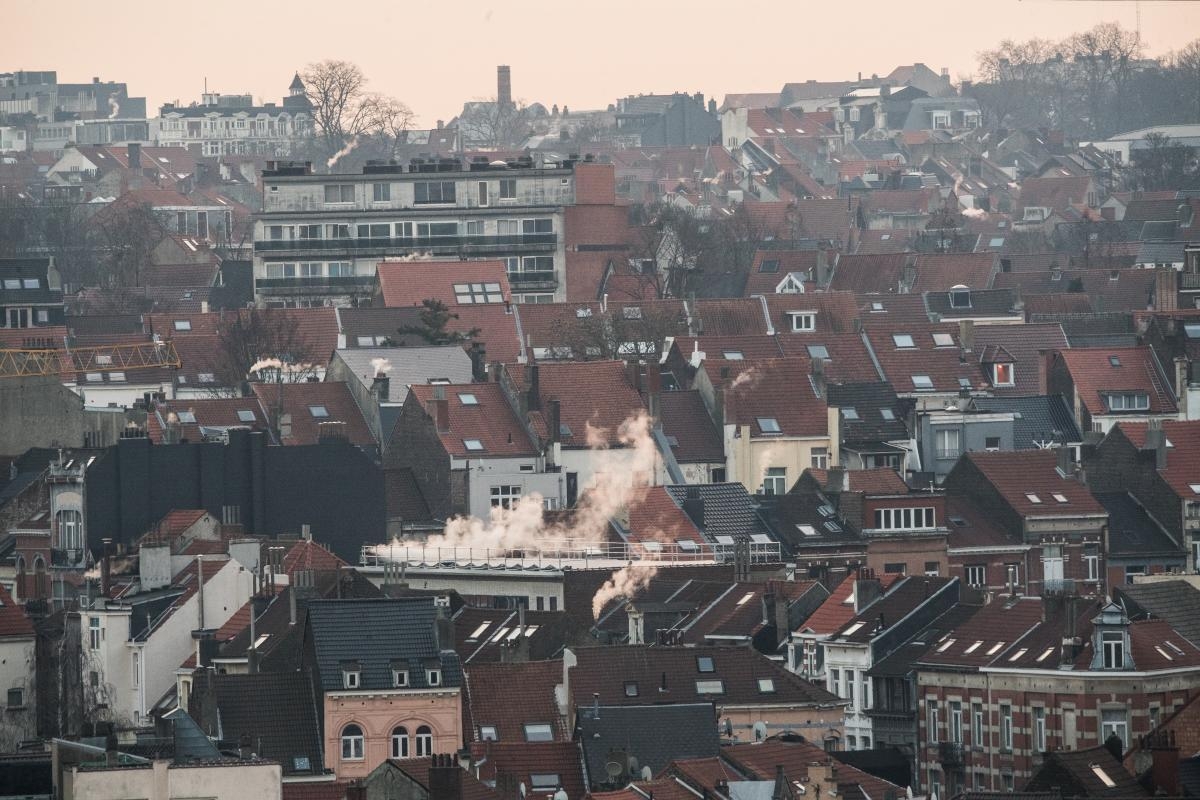

Brussels – Green homes: we’re not there yet. No Member State has transposed the EU regulations on the energy performance of buildings, and the European Commission is initiating infringement proceedings against each Member State. All 27 are subject to proceedings for “the failure to fully transpose” the legislation, better known as the Green Homes Directive, which aims to achieve a zero-emission, fully decarbonised building stock by 2050.
The directive in question was adopted in 2024, and Member States were required to notify the Commission of its transposition by 29 May 2026, but this did not happen. The war in Iran and the resulting new energy crisis make the implementation of these regulations even more crucial to reduce bills for citizens and businesses and the EU’s dependence on imported fossil fuels. For this reason, in the face of widespread delays, the European Commission has decided to put pressure on the Member States, without exception.
The situation is rather unusual, not least because it reveals a complete mutiny by governments against the European Commission, despite inter-institutional negotiations in which all Member States had agreed to introduce the new targets for housing and non-housing regeneration. Yet all 27 are behind schedule in transposing EU rules into national legislation, which is further proof that something is not working. The EU executive should be asking itself some questions, but, in the meantime, it is posing them, and in two months—the maximum period within which Member States must respond to the letter of formal notice—we will have a clearer picture of the situation.
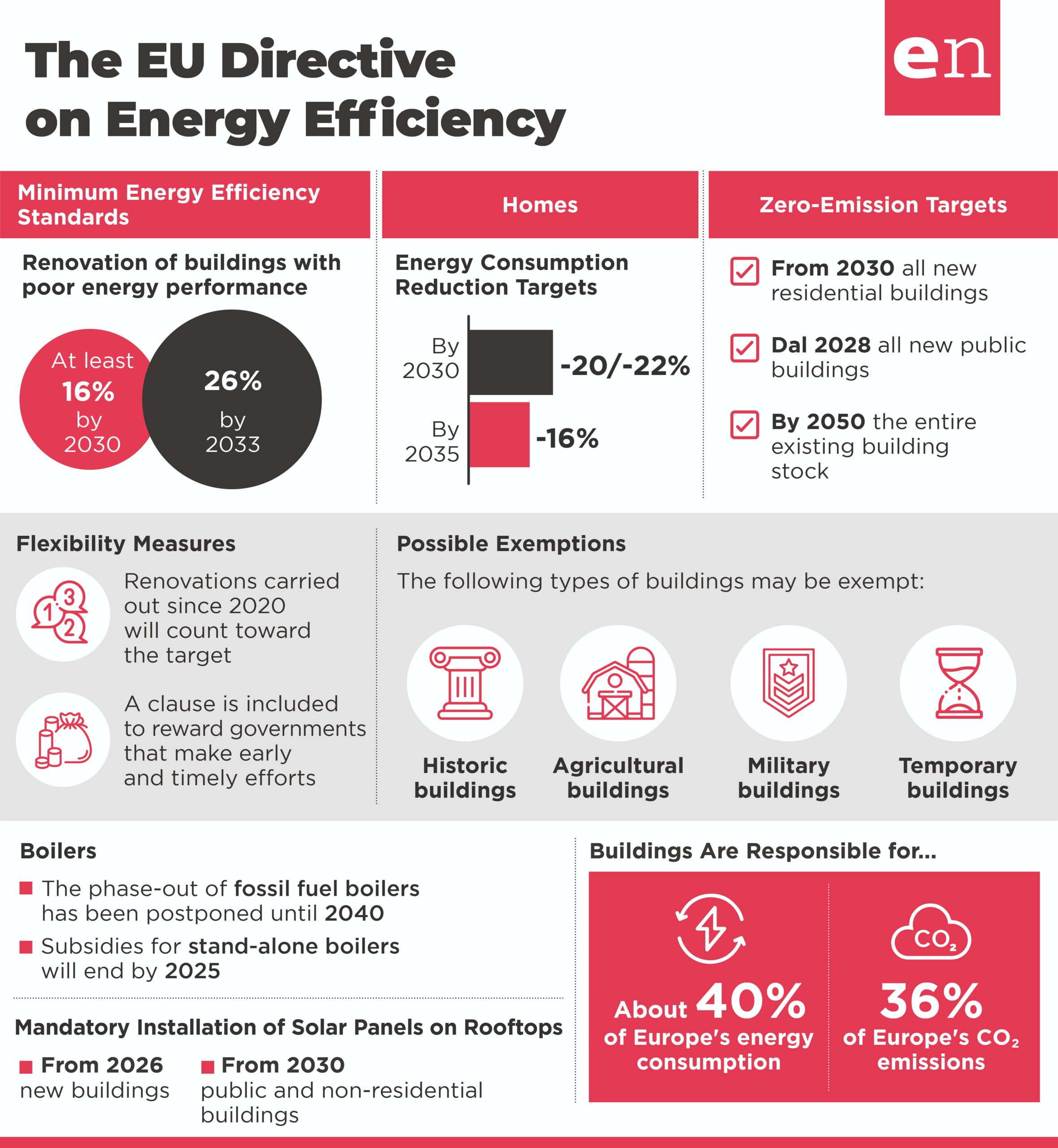
The decision has drawn criticism from Italian MEPs representing the parties in Italy’s ruling coalition. Letizia Moratti (FI/EPP) says she is “surprised and dismayed” by a decision which, in her view, reflects misguided choices. “Launching infringement proceedings against all 27 Member States for failing to transpose the Green Homes Directive is a vivid and surreal demonstration of the failure of an unrealistic and highly ideological directive,” she argues.
Similar criticisms have been voiced by the Vice-President of the European Parliament, Antonella Sberna (FdI/ECR), who argues that the infringement procedure for all Member States “is the paradox of a piece of legislation that demands the impossible from everyone and then accuses everyone of failing to achieve it.” According to the Fratelli d’Italia representative, “if no Member State has managed to comply with the directive, the problem lies not with the Member States, but with a regulation devised without taking into account the real economic, social, and territorial conditions in Europe.” For this reason, “we call on the European Commission to have the courage to review regulations that have proved unenforceable.”
English version by the Translation Service of Withub