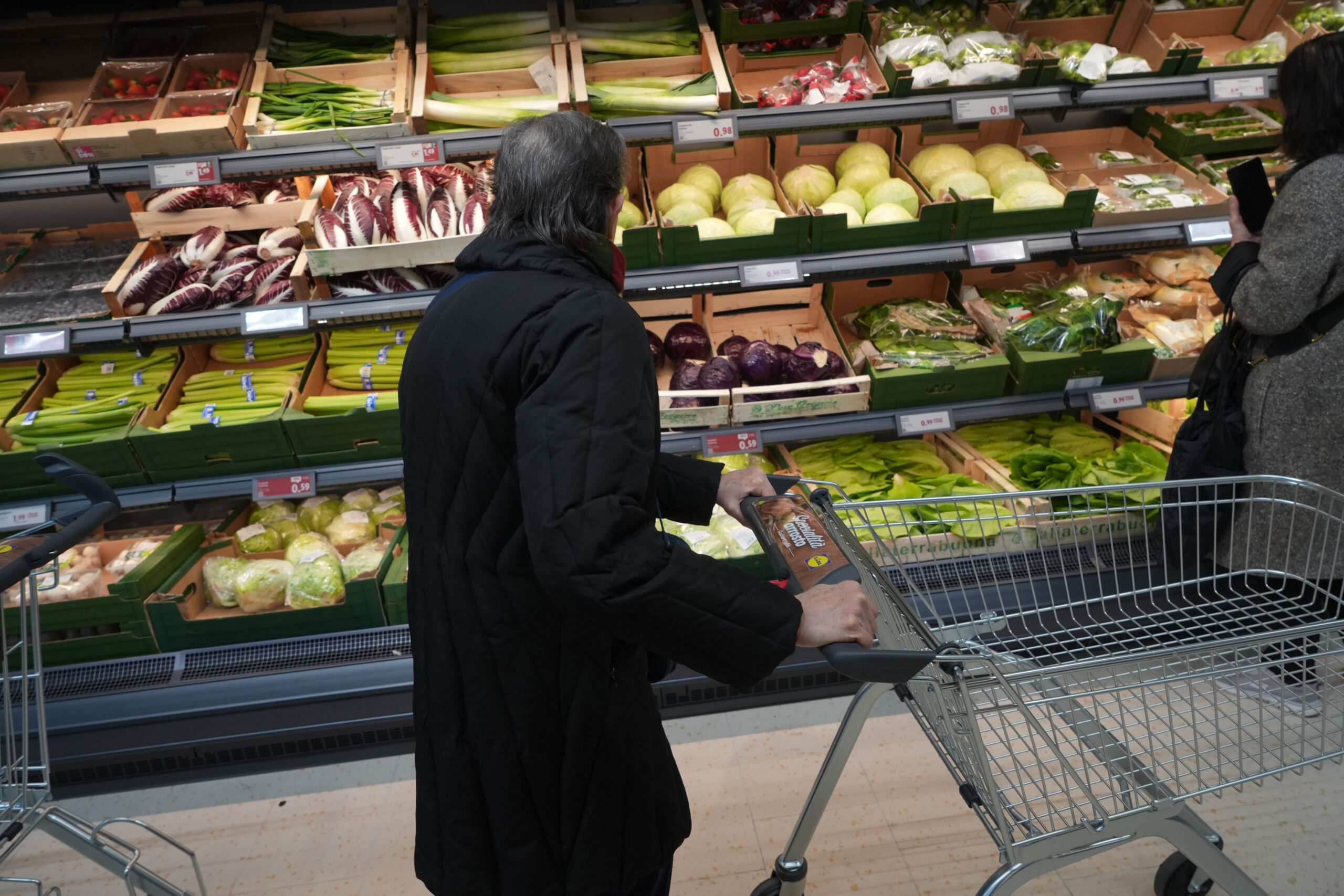

Brussels – Bad news for families and consumers: grocery shopping and eating out are at serious risk of becoming even more expensive. “Extreme weather events, as demonstrated by the current heatwaves, and more generally the ongoing climate and environmental crises, could cause food prices to rise more than expected.” It was a brief yet clear statement by the President of the European Central Bank, Christine Lagarde, during the extensive press conference explaining the Governing Council’s interest rate decisions. The decision to leave them unchanged, accompanied by a presentation of forecasts that are not exactly rosy, touched on an issue that is not currently in the spotlight but risks becoming increasingly so.
Lagarde had already warned that by 2027, the cost of the shopping basket was likely to force people to rethink their spending on lunches and dinners. Still, a new factor has now been added to these warnings: even steeper price rises that are exceeding expectations. This is because the situation is becoming increasingly out of control, with tensions in the Middle East and Iran that are no less difficult to manage, and this, too, is driving up supermarket bills.
“The rise in energy prices since the start of the conflict (in Iran, ed) – and its impact on food, goods and services price inflation – is likely to keep inflation well above target into the first half of 2027,” Lagarde explained. And this is where the other warning for the public came in: “It is becoming more expensive for firms to source inputs and they therefore expect to put up their selling prices.” This could also be felt more acutely on store shelves, with rising food costs adding to the high energy bills that have already materialised in the wake of the war in Iran, with the resulting repercussions for the economy. Faced with more expensive shopping carts, households would cut back on spending elsewhere.
English version by the Translation Service of Withub