
Brussels – The Greens are pressing ahead on the heatwave issue and are asking to “call an emergency European summit on heatwaves and agree on concrete measures to make Europe resilient.” Following the request to environment ministers, for which they received no response, the group’s co-chair, Terry Reintke, urged more significant EU action. In a letter sent yesterday (30 July) to the President of the European Commission, Ursula von der Leyen, the President of the European Council, António Costa, and the European Commissioner for Crisis Preparedness, Hadja Lahbib, Reintke urged the three to prepare “a coordinated European response that protects people” before the extreme heat becomes “an emergency.”
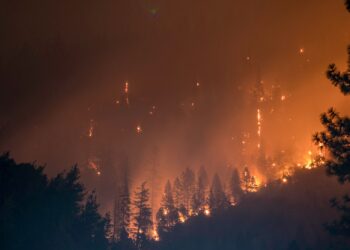
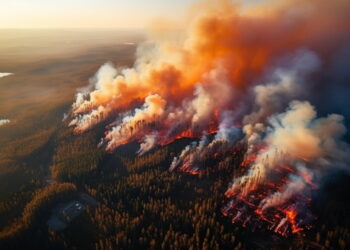
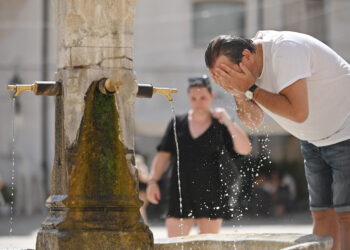
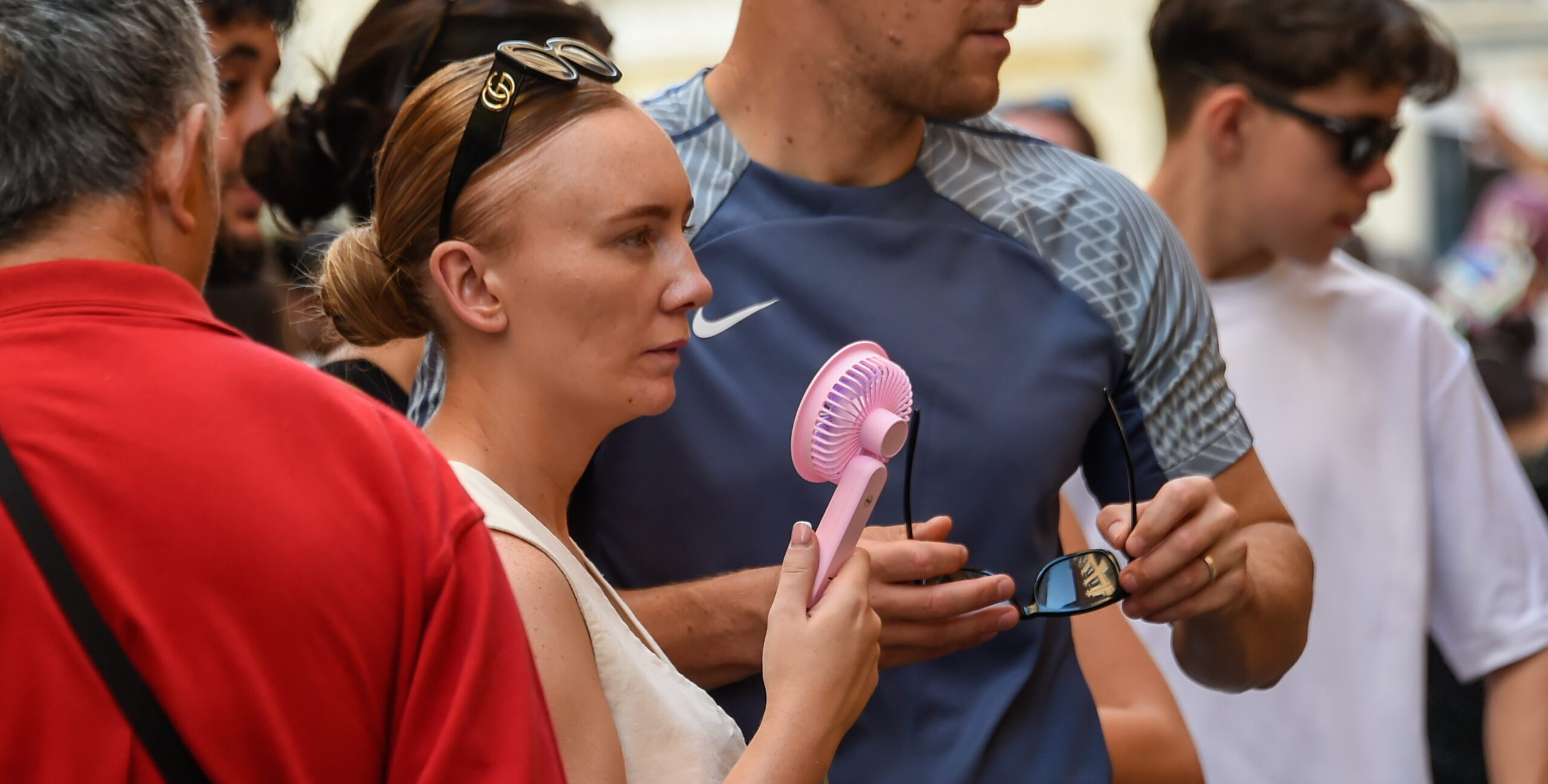
“Europe is facing another summer of extreme heat, with heatwaves, wildfires and droughts affecting communities across the continent,” Reintke reiterated, noting that “what was once considered an exceptional event is becoming a recurring reality for millions of Europeans.” The MEP stressed that Europe is the region warming fastest in the world, affecting “the way people live, work and stay healthy.”
In particular, “the human cost is already severe.” According to estimates provided by the German organisation, heatwaves kill “48,000 people every year in Europe.” Furthermore, “75 per cent of European buildings remain energy-inefficient, with 26 per cent of households in the EU unable to keep their homes cool in summer.” Among those most affected are people on low incomes, those living in poorly insulated homes, older people, children, and people whose health is already at risk.
Her group has therefore drawn up a list of priorities requiring urgent action. First and foremost, “making public buildings safe in the event of extreme heat.” This means equipping schools, hospitals, and care homes with shaded areas, ventilation, and energy-efficient cooling systems. Next, “protecting workers” by establishing minimum standards at the European level to enable people to work during the hottest periods of the year, in particular by providing water, breaks, and appropriate working hours. The third priority is “keeping homes cool and accessible,” prioritising vulnerable households, making homes heat-resilient and ensuring access to efficient cooling systems.
On the subject of cooling, the Greens add to the list “cooling our cities,” a measure that can only be achieved by planting more trees, creating shaded areas in public spaces, and providing more water. Next, “harnessing solar energy” by installing solar panels on the roofs of public buildings, and “providing cool shelters,” by opening suitable public buildings to people who need a safe place during periods of extreme heat. Finally, “strengthen civil preparedness” through the European Civil Protection Mechanism to ensure rapid and coordinated responses to climate-related emergencies.
“The cost of preparing Europe for extreme heat cannot fall solely on citizens and public budgets,” the MEP noted, but making cities and communities heat-resilient is also the responsibility of “the major fossil fuel companies.” The principle is as follows: “those who have contributed most to the climate crisis should also help to protect people from its consequences.”
At the end of the letter, Reitke asked the recipients what concrete measures they intend to take in the coming months, because “The next heatwave cannot be the moment when Europe starts preparing.” She then concluded by stating that “the EU cannot prevent every heatwave, but it can do much more to reduce its impact.”
English version by the Translation Service of Withub