
From our correspondent in Strasbourg – To strengthen consumer confidence in the European organic label, ensure greater reciprocity in trade with third countries, and reduce the administrative burden on small producers: These are the objectives of the new measures for the organic farming sector approved by the European Parliament today (24 November), as part of a revision of the rules governing the production and marketing of organic products in the European Union.
The measure, which stems from the agreement reached on 20 October between the Parliament and the Council, updates the provisions on the production, labelling, certification and marketing of organic products. The text was adopted with 486 votes in favour, 39 against, and 140 abstentions.
One of the key points concerns organic products imported from third countries. The new provisions stipulate that the EU organic logo may only be used on products which, in addition to originating from production systems recognised as equivalent to those in Europe, meet further specific requirements regarding production and controls. This distinction aims to prevent unfair competition against European farmers and to safeguard the value of the EU label.
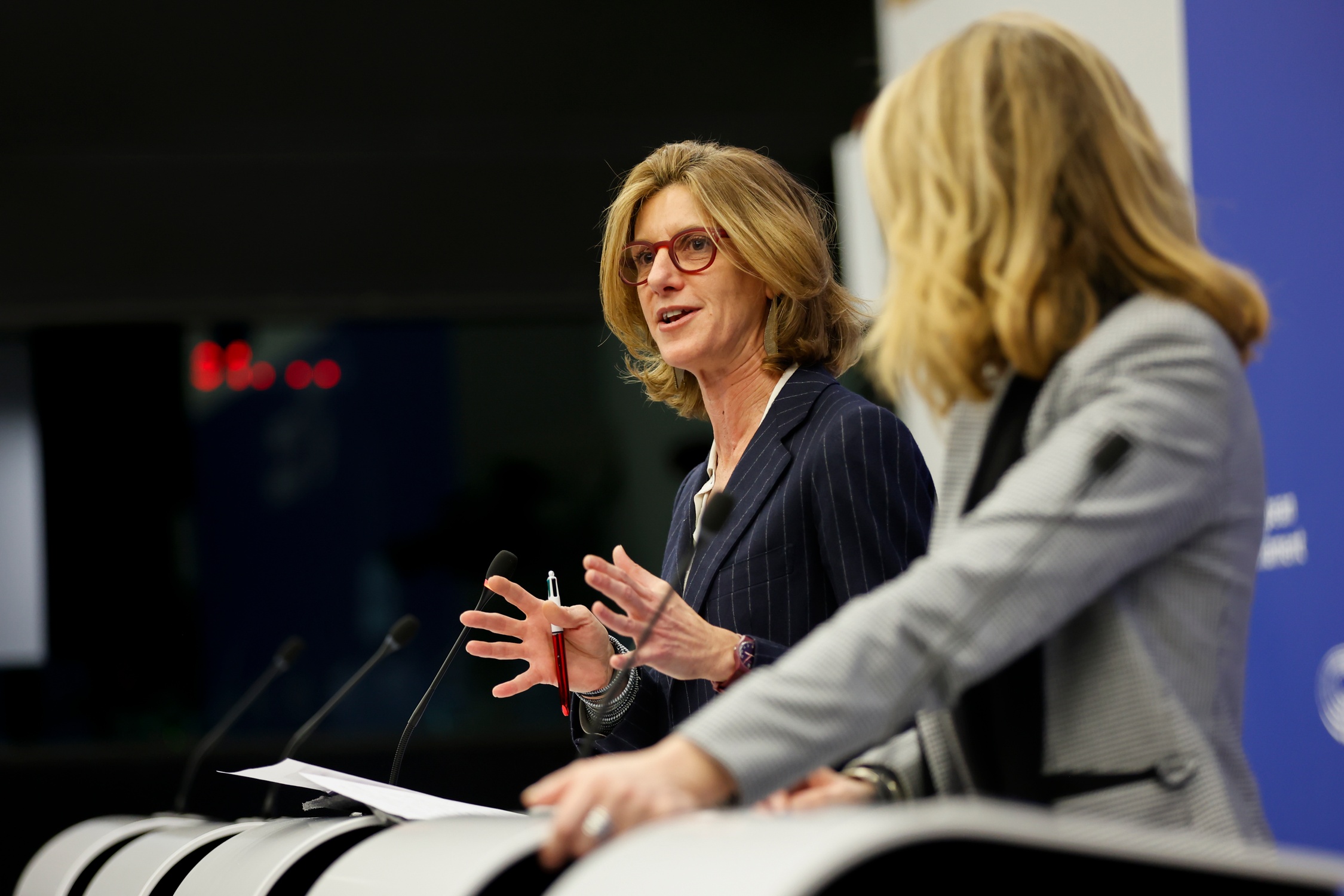
“Europe, with France in first place, Spain in second, and Italy in third, has very high figures for organic trade. “With today’s vote, we have introduced a clear regulatory framework,” explained Camilla Laureti, MEP for the Democratic Party and vice-chair of the S&D Group, who served as rapporteur for the measure, speaking in Strasbourg. The aim, added the PD’s spokesperson on agricultural policy, is “to prevent countries with different production standards from using the European logo without meeting the same guarantees” because “the trust that European consumers place in this label must also be protected.” Among the examples cited by Laureti were the electric fencing of animals and the use of certain additives, practices that are incompatible with the additional requirements necessary to obtain the EU label.
Another section concerns the simplification of regulatory requirements for small-scale operators. The annual turnover threshold for qualifying for exemption from certification rises from €20,000 to €40,000, while the sales limit increases from 5,000 to 10,000 kilograms. The exemption applies to operators who sell loose organic products directly to consumers and meet the specified requirements. “We have tried to exempt them as much as possible from certification and further red tape,” emphasised Laureti, while also highlighting the need to maintain support for the sector in the future Common Agricultural Policy after 2027.
Finally, Laureti linked the growth of organic farming to the issue of generational renewal, one of the structural challenges facing European agriculture. The EU’s objective is to increase the proportion of agricultural land farmed organically to 25 per cent by 2030, while today it stands at around 11 per cent. “Supporting organic farming also means promoting the Union’s strategic interests,” concluded the MEP.
English version by the Translation Service of Withub