- Europe, like you've never read before -
Friday, 29 May 2026
No Result
View All Result
  • it ITA
  • en ENG
Eunews
  • Politics
  • World
  • Business
  • News
  • Defence
  • Health
  • Agrifood
  • Other sections
    • Culture
    • Diritti
    • Energy
    • Green Economy
    • Finance & Insurance
    • Industry & Markets
    • Media
    • Mobility & Logistics
    • Net & Tech
    • Sports
  • Newsletter
  • European 2024
    Eunews
    • Politics
    • World
    • Business
    • News
    • Defence
    • Health
    • Agrifood
    • Other sections
      • Culture
      • Diritti
      • Energy
      • Green Economy
      • Finance & Insurance
      • Industry & Markets
      • Media
      • Mobility & Logistics
      • Net & Tech
      • Sports
    No Result
    View All Result
    Eunews
    No Result
    View All Result

    Home » World politics » With new family law, Georgia moves further away from Europe

    With new family law, Georgia moves further away from Europe

    The Parliament in Tbilisi has adopted a constitutional amendment by which it recognizes, granting legal protection, only families consisting of a man and a woman. For Brussels, this is yet another obstacle on the Caucasian country's path toward joining the bloc

    Francesco Bortoletto</a> <a class="social twitter" href="https://twitter.com/bortoletto_f" target="_blank">bortoletto_f</a> by Francesco Bortoletto bortoletto_f
    4 September 2024
    in World politics
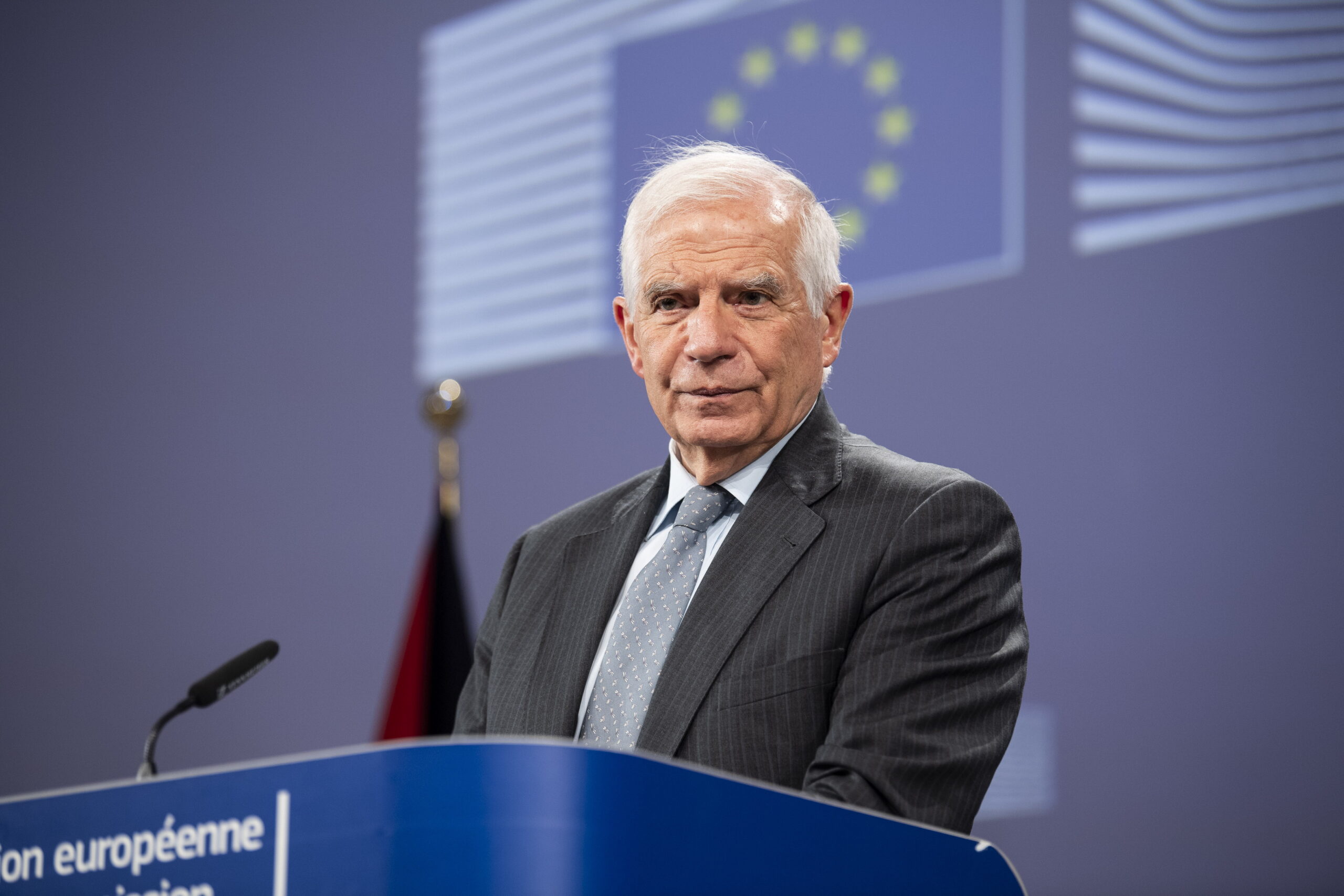
    JOSEP BORRELL FONTELLES, COMMISSARIO UE ESTERI

    JOSEP BORRELL FONTELLES, COMMISSARIO UE ESTERI

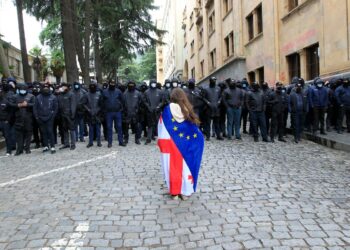
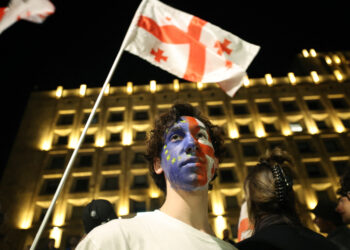
    Brussels – Like shrimp do, so does Tbilisi. Georgia seems to keep taking steps backwards on its path to EU membership, which has been effectively frozen for months because Brussels was concerned about the state of democracy, civil liberties, and the rule of law. Now, the latest addition to the list of problematic choices made by the Caucasian country is a law on family values that top EU officials say puts minorities at serious risk.

    In a note on its site, the European External Action Service (EEAS) deplored the adoption by the Georgian Parliament of the legislative package on “family values and child protection”. The new regulations, approved by MPs in the second reading on Wednesday (Sept. 4), amend Article 30 of the Constitution by inserting a reference to several issues such as marriage, adoption, and fostering of children, medical interventions related to gender identity, gender recognition in documents, and the use of gender-related terms in official communications and the media. In essence, now Georgia recognises as a family—and protects as such—only the union of a man (“biologically male”) and a woman (“biologically female”).

    The new law “undermines the fundamental rights of the Georgian population and risks further stigmatisation and discrimination against a section of the population,” reads the EEAS statement, which notes how “legislation with important repercussions on the path to EU integration has been approved without due public consultation and without a thorough analysis of its compliance with European and international standards.” The Service, which reports to the High Representative for Foreign and Security Policy Josep Borrell, stresses that “ensuring and upholding human rights is at the core of the enlargement process“, that “Georgia’s accession process is de facto halted,” and urges the authorities to recommit to the EU integration path.

    With the adoption of the new legislation, therefore, the South Caucasus country moves even further away from the prospect of accession to the bloc of the Twenty-seven, lengthening the list of measures that are incompatible with European standards with regard, above all, to the maintenance of democracy and the rule of law. From the infamous law on “foreign agents”, which a few months ago had brought tens of thousands of protesters to the streets and prompted the European Council to judge Tbilisi’s path to EU membership as “de facto arrested,” to the prospect based on that same law and only envisaged for the moment, of banning opposition parties after the elections scheduled for next month: An abrupt setback to the now distant goal of becoming the first candidate state to join the Union by 2030.

    English version by the Translation Service of Withub
    Tags: eu enlargementeuropean external action servicegeorgialgbtq+ rights

    Related Posts

    Georgia Proteste pro-Ue
    World politics

    EU begins suspending direct funding to Georgia’s government: ‘Just the first step’

    9 July 2024
    Georgia Proteste pro-Ue
    World politics

    Georgia’s EU accession process “de facto” at a standstill. European Council confirms

    28 June 2024
    Georgia Salomé Zourabichvili
    World politics

    What is the pro-EU ‘Georgian Charter’ proposed by the President for a united front in the October elections

    29 May 2024
    Georgia Proteste pro-Ue
    World politics

    Georgia’s government fully committed to challenging the EU. Brussels works on “appropriate responses”

    28 May 2024
    map visualization
    caro carburanti- source: Imagoeconomica

    EU Petrol prices up to 1.85 euros per liter and diesel to 1.87 euros by the end of May

    by Ambrogio Sanelli
    29 May 2026

    According to data from the European Commission’s Weekly Oil Bulletin, fuel prices in the EU rose sharply between late February...

    Fonte: Imagoeconomica

    The ECHR has received two appeals against Italy concerning the failure to arrest Elmasry

    by Iolanda Cuomo
    29 May 2026

    The man had been charged with crimes against humanity by the International Criminal Court. Arrested in Italy, he was released...

    FAO G20 GREEN GARDEN AL PARCO DELLA CAFFARELLA GENDER EQUALITY UGUAGLIANZA DI GENERE. Foto: [Imago economica]

    There are more women than men in technology and science, but gender equality remains a long way off in care work

    by Caterina Mazzantini
    29 May 2026

    Eurostat reports a surge in the number of women working in the scientific sector, but highlights a stark disparity in...

    difesa

    Five countries have signed up for SAFE loans to fund defence spending—not Italy

    by Giulia Torbidoni
    29 May 2026

    Poland received today, 29 May, the first payment of €6.6 billion under this instrument, amounting to 15 per cent of...

    • Director’s Point of View
    • Opinions
    • About us
    • Contacts
    • Privacy Policy
    • Cookie policy

    Eunews is a registered newspaper
    Press Register of the Court of Turin n° 27


    Copyright © 2025 - WITHUB S.p.a., Via Rubens 19 - 20148 Milan
    VAT number: 10067080969 - ROC registration number n.30628
    Fully paid-up share capital 50.000,00€


    No Result
    View All Result
    • it ITA
    • en ENG
    • Politics
    • Newsletter
    • World politics
    • Business
    • General News
    • Defence & Security
    • Health
    • Agrifood
    • Altre sezioni
      • Culture
      • Diritti
      • Energy
      • Green Economy
      • Gallery
      • Finance & Insurance
      • Industry & Markets
      • Media
      • Mobility & Logistics
      • Net & Tech
      • News
      • Opinions
      • Sports
    • Director’s Point of View
    • Draghi Report
    • Eunews Newsletter

    No Result
    View All Result
    • it ITA
    • en ENG
    • Politics
    • Newsletter
    • World politics
    • Business
    • General News
    • Defence & Security
    • Health
    • Agrifood
    • Altre sezioni
      • Culture
      • Diritti
      • Energy
      • Green Economy
      • Gallery
      • Finance & Insurance
      • Industry & Markets
      • Media
      • Mobility & Logistics
      • Net & Tech
      • News
      • Opinions
      • Sports
    • Director’s Point of View
    • Draghi Report
    • Eunews Newsletter

    Attention