




Brussels – The European Union is preparing for a structural re-launch of nuclear energy. At a time when decarbonization and industrial competitiveness are becoming converging priorities, the European Commission published yesterday (June 12) the new edition of the Nuclear Illustrative Programme (PINC), estimating investments of €241 billion by 2050 needed to ensure the extension of the operating life of existing reactors and to build new ones on a large scale. The message beneath the surface is that without the atom’s energy, the risk is to miss the climate targets set for the middle of the century.
The document, envisaged by the Euratom Treaty, emphasizes how nuclear power continues to be a strategic lever for some Member States, alongside renewables. The target is ambitious: over 90 percent of European electricity will have to come from decarbonized sources by 2040, a mix in which the nuclear contribution will be complementary but decisive. Installed nuclear capacity is set to increase from 98 to around 109 GW by mid-century, as meeting climate targets will require all low-emission energy sources. Alongside the modernization of large plants, developing so-called modular reactors, particularly Small Modular Reactors (SMR), Advanced Modular Reactors (AMR), and micro-reactors, are being looked at with increasing interest. These more compact, flexible technologies, suitable for distributed generation, represent a frontier on which the EU intends to play a leading role at the global level. Even fusion, although still at an advanced research stage, enters the long-term vision as a possible energy breakthrough.
However, it remains crucial to decisively address the sector’s structural issues: safety, waste management, and decommissioning. The European executive reiterates the importance of maintaining the highest safety and security standards while ensuring a responsible approach to used fuel management. In parallel, it calls on national governments to invest in dedicated disposal infrastructure and ensure that decommissioning operations occur efficiently and sustainably. Another central theme is cooperation between regulatory authorities, which is seen as essential to reduce authorization times and streamline technical and bureaucratic processes. The Commission also aims for greater strategic autonomy: nuclear fuel supply will have to be diversified to avoid geopolitical dependencies through reliable international partnerships.
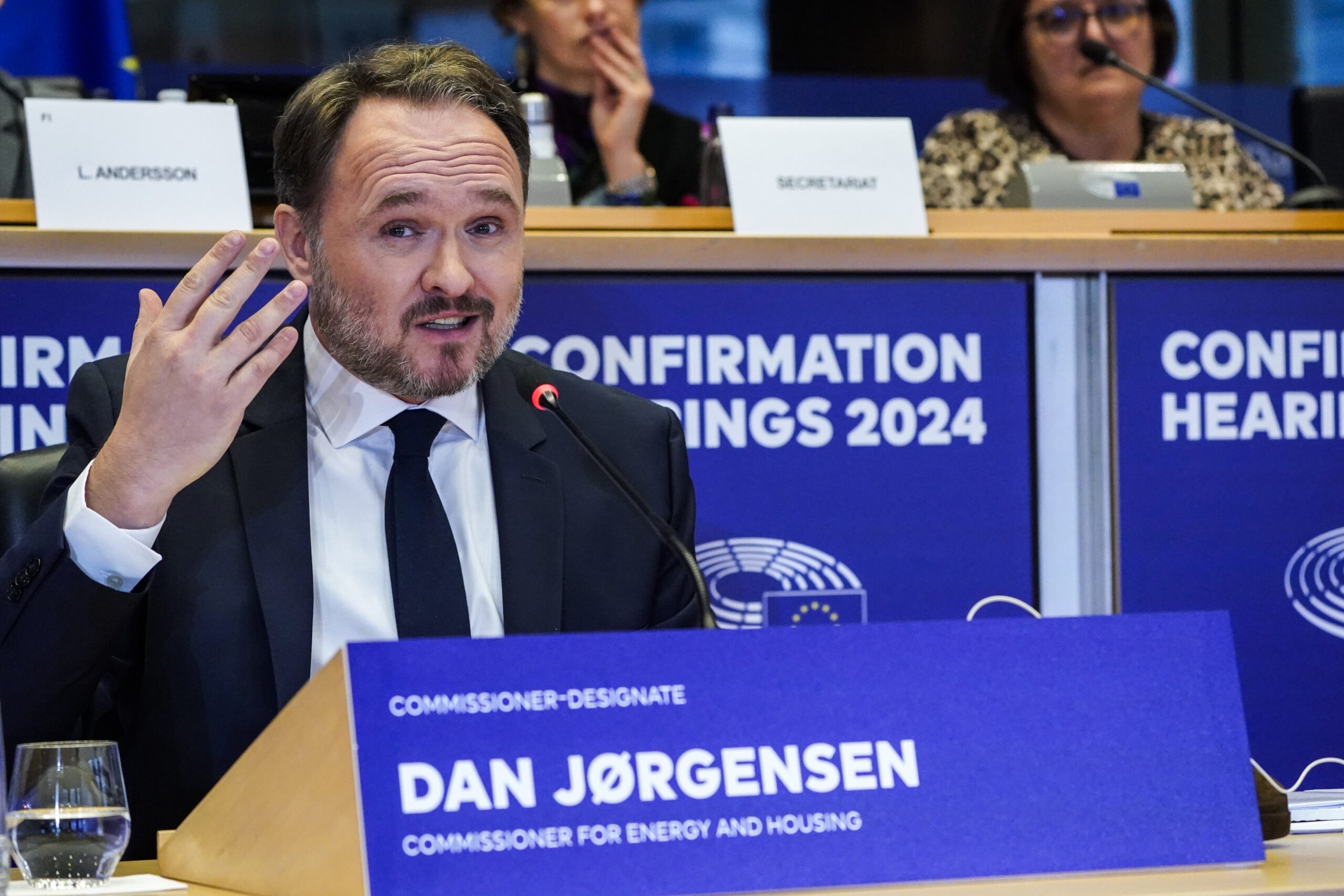
At the same time, it is crucial to strengthen skills in the sector. We need qualified technicians, new skills, and a dynamic ecosystem involving start-ups, research centers, and universities. Innovation will be key in boosting European competitiveness to ensure the energy transition and a lasting industrial presence. “To truly deliver the clean energy transition, we need all zero- and low-carbon energy solutions. Nuclear energy has a role to play in building a resilient and cleaner energy,” said Dan Jørgensen, European Commissioner for Energy and Housing. However, for this to happen, a stable regulatory framework, coordination between Member States, and strong political commitment are needed.
The document will be discussed at the Energy Council on June 16 in Luxembourg, following the opinion of the Economic and Social Committee. It is a long-awaited step that could define more clearly the place of nuclear power in the future of European energy. And its role in the path towards climate neutrality.
English version by the Translation Service of Withub
![Un atomo. L'Ue punta sul nucleare di nuova generazione per il suo futuro energetico [foto: iStock]](https://www.eunews.it/wp-content/uploads/2025/04/atomo-350x250.jpeg)





![La video riunione dell'Eurogruppo [27 marzo 2026. Foto: European Council]](https://www.eunews.it/wp-content/uploads/2026/03/eurogruppo-260327-120x86.jpg)
