Brussels is often seen as distant, an institutional maze where decisions are made far from the everyday realities of citizens. For many young Europeans, that distance feels even greater. Too often, they are spoken about, rather than spoken with.
At the European Economic and Social Committee (EESC), we are working to change that. As the House of Organised Civil Society, we represent and connect directly with organisations across the Union. Through the EESC’s youth group, I have seen firsthand how young people can move from passive observers to active contributors. This is not about symbolic inclusion or ticking boxes. It is about recognising that the challenges Europe faces today, climate change, social inequality, mental health, affordable housing and quality jobs, are deeply intertwined with the lives and futures of younger generations.
Yet participation must go beyond consultation. As I have said before, “youth participation can and must be a structural element of the decision-making process.” This means embedding young voices not at the margins, but at the core of policymaking. Co-creation with young people is at the heart of this approach. It is not enough to invite young people to the table after decisions have already been framed. True co-creation means involving them from the outset — in defining the problems, designing the solutions, and evaluating the outcomes. When young people are genuine co-authors of policy, rather than mere consultees, the results are not only more legitimate but more effective. Their proximity to the issues — be it precarious employment, unaffordable housing, or mental health struggles — provides an insight that no expert report can fully replicate.
What makes the EESC Youth Test different is not only who is involved, but how we work. We prioritise dialogue over hierarchy, collaboration over formality. We create spaces where ideas can be tested, challenged and refined, where lived experience is valued alongside technical expertise. This approach does not always fit neatly within traditional institutional frameworks. But if Europe is to remain relevant and responsive, it must evolve. Listening to young people is not enough; institutions must be willing to adapt based on what they hear.
There is, of course, a long way to go. Building meaningful participation takes time, trust and persistence. But the momentum is there. Across Europe, young people are ready to engage, not out of obligation, but out of a genuine desire to contribute. The question is no longer whether youth should have a voice in European policymaking. It is whether we are ready to truly listen and to act. Because the future of Europe is not something that concerns young people later. It is something we are already shaping, today.
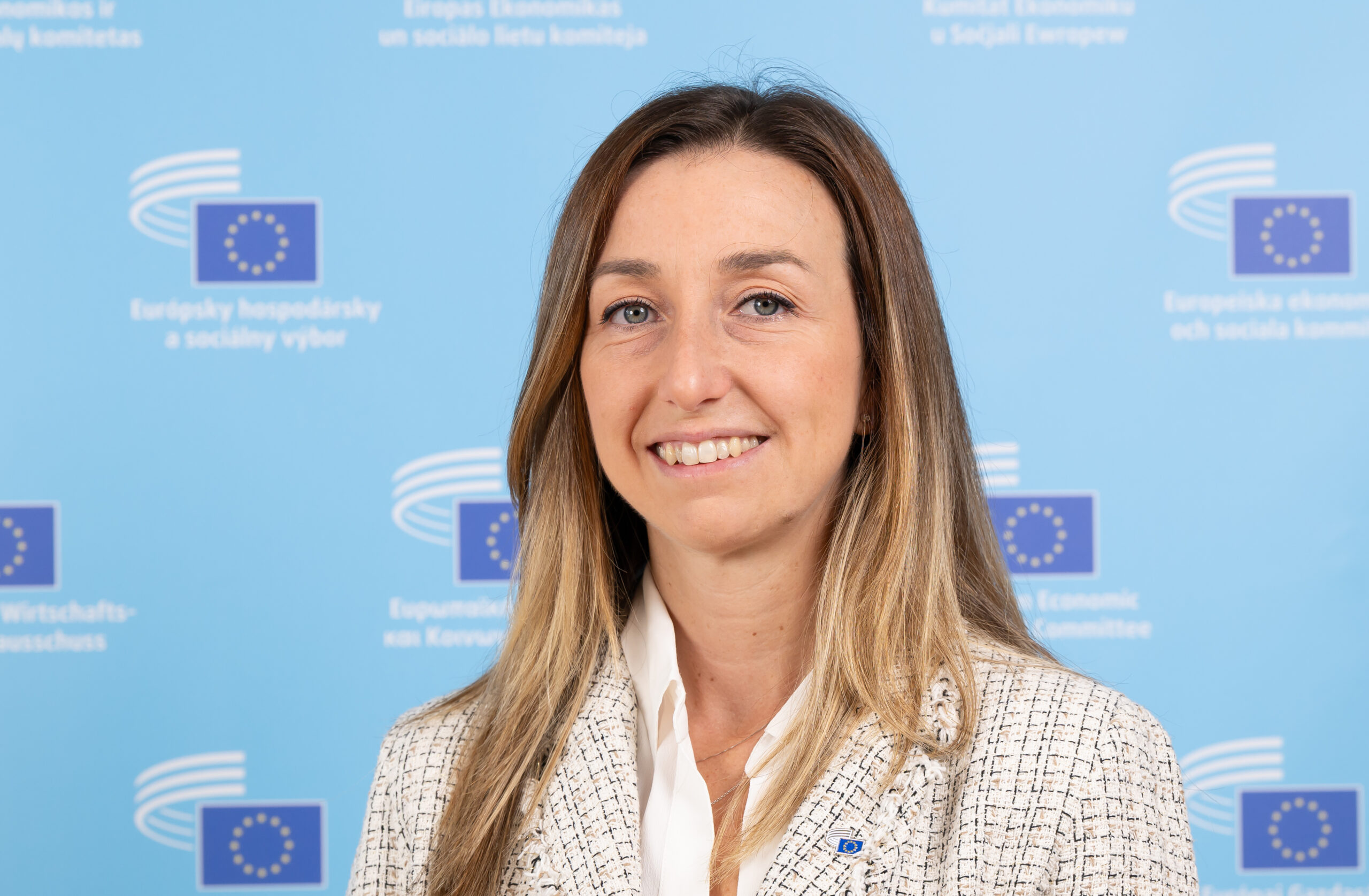
* Nicoletta Merlo is an Italian member of the European Economic and Social Committee, member of the Workers Group and President of the EESC’s Youth Group
English version by the Translation Service of Withub




![La vicepresidente della BEI, Gelsomina Vigliotti, e l’Amministratore Delegato di Eni, Claudio Descalzi [foto: European Investment Bank]](https://www.eunews.it/wp-content/uploads/2026/04/EIB-ENI-signature-ceremony-120x86.jpg)