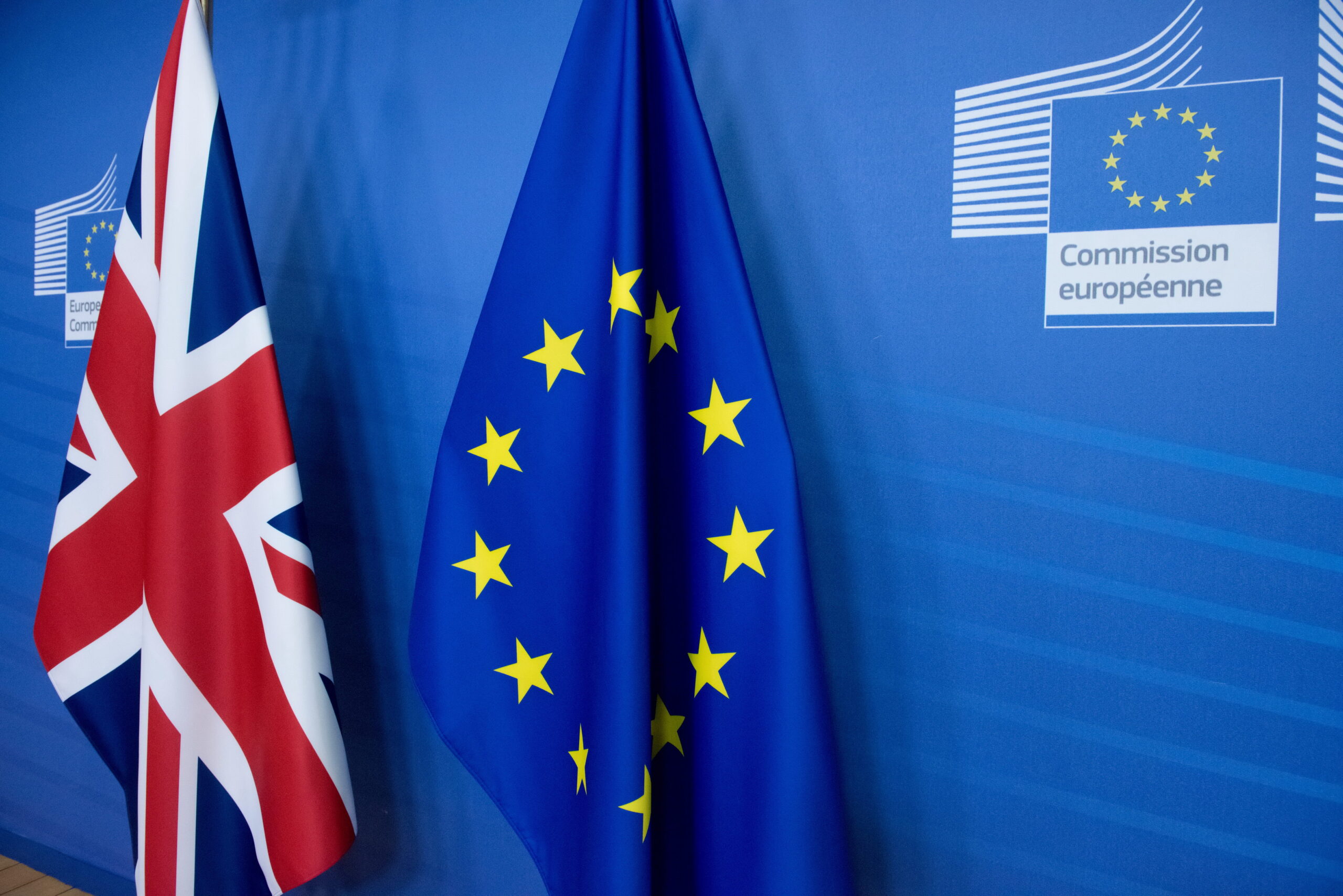
Brussels – “Europe and the United Kingdom have enjoyed mutually beneficial educational ties for centuries, and further strengthening these ties
makes perfect sense on both sides: our students, teachers, education systems, economies, and societies as a whole.” With these words, the President of the European Commission, Ursula von der Leyen, celebrates another step in building post-Brexit ties and bringing London closer to the Union: the green light given today (15 April) by the EU and the UK for London’s accession to the Erasmus+ programme in 2027. The announcement comes from the Berlaymont Building with a press release which highlights that this “will put students, staff, educational institutions and organisations in the UK on the same footing with those in EU Member States and other third countries associated with the programme” and “will create opportunities for thousands of students, educational staff and young people” because “it will provide them with future-proof skills and competences sought after by employers.”
“The agreement will enable tens of thousands of citizens to learn, study and train across the Channel and foster people-to-people links,” comments Maroš Šefčovič, Commissioner for Trade and Interinstitutional Relations. “With today’s signing of the decision associating the UK with the Erasmus+ programme in 2027, we have delivered on another commitment from last year’s EU-UK summit,” he adds.
The decision has its roots in the EU-UK summit held in London in May 2025. As well as re-establishing student mobility between the two sides of the Channel, that occasion also marked a strategic rapprochement that secured London’s access to the SAFE defence fund and an unprecedented opening up of trade, while remaining outside the Customs Union. Cooperation was thus extended to energy integration, with significant savings on carbon taxes for British businesses, and the confirmation of mutual access to fishing waters until 2038.
Today’s formalisation marks another step towards bringing the two sides of the Channel closer together, providing momentum for the work that remains to be done. “We will continue to strengthen EU-UK relations by pursuing the remaining objectives of our renewed agenda, with the aim of concluding, in particular, the key negotiations on the youth exchange scheme, an SPV area (Sanitary, Phytosanitary and Veterinary) and the linking of our emissions trading systems by this year’s EU-UK summit,” explains Sefcovic.
Roxana Mînzatu, Executive Vice-President for Social Rights and Skills, emphasises the future of the younger generation: “For a strong EU-UK partnership tomorrow, we must invest in young people today,” she notes. In this context, “the UK’s participation in Erasmus+ in 2027 is a win-win for everyone and opens doors for young people on both sides of the Channel,” and “we are rebuilding opportunities for the next generation to study, work, and grow together, providing access to a much wider pool of possibilities and diversity.”
English version by the Translation Service of Withub

![[foto: European Council]](https://www.eunews.it/wp-content/uploads/2025/06/euco-250626-120x86.jpg)
![[foto: Emilian Robert Vicol/Wikimedia Commons]](https://www.eunews.it/wp-content/uploads/2026/10/Money_100_EURO-120x86.jpg)