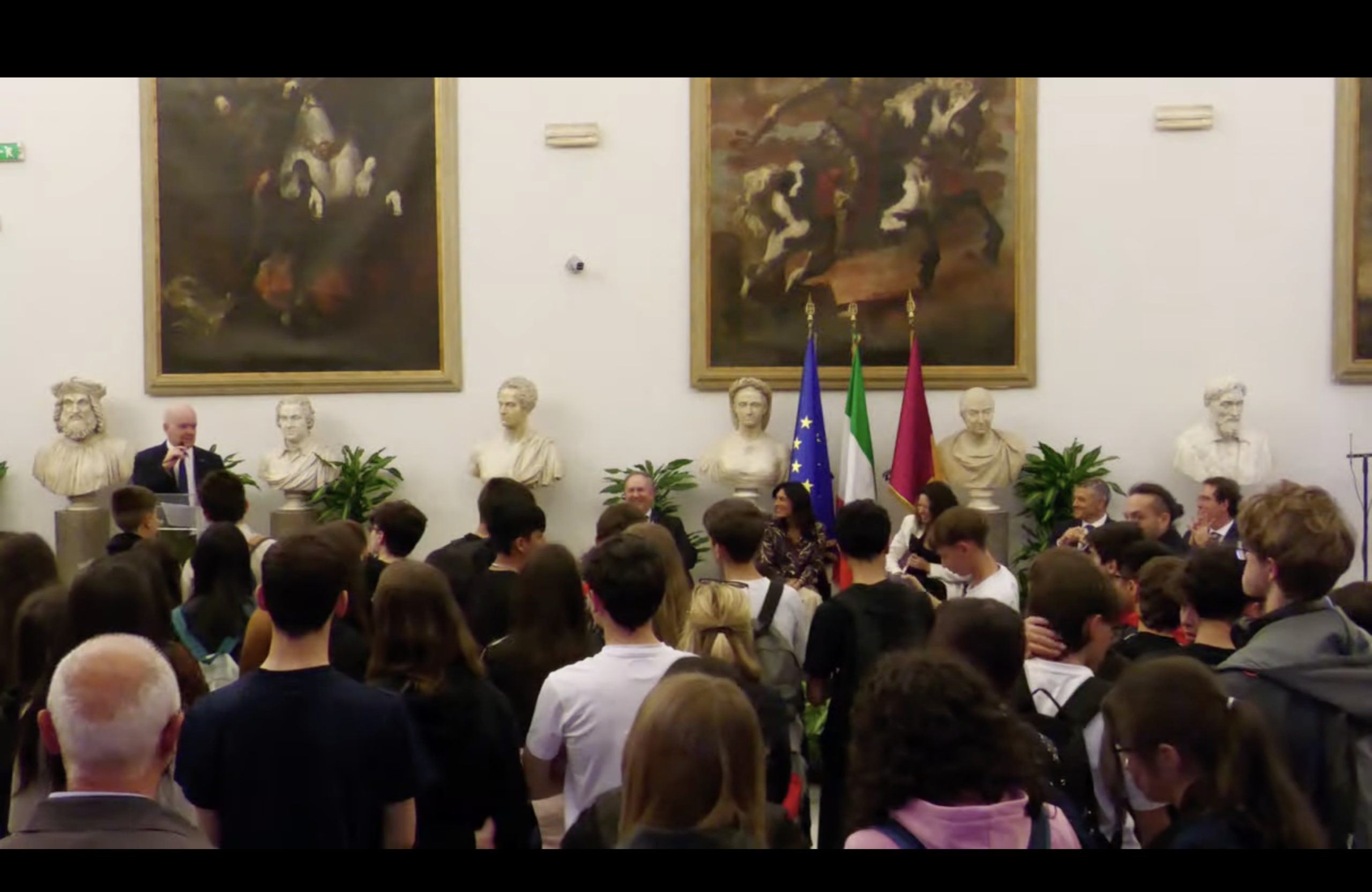
Rome – The award ceremony for the “Dream for Europe” photography competition, organised by Fondazione Articolo 49 in collaboration with the European Parliament offices in Italy, took place today (8 May) in the enchanting Sala della Protomoteca of the Campidoglio Palace in Rome.
The initiative, aimed at secondary school pupils, invited students to use photographs, collages, and digital works to explore “the fears, hopes, and visions of the Europe of the future”. The event is part of the celebrations for Europe Day, which is commemorated every 9 May to mark the Schuman Declaration and the birth of the European project.
The ceremony was opened by the Director of the European Parliament Office in Italy, Carlo Corazza, who thanked the students for the “wonderful creations” they had produced for the competition and outlined the history of European integration. “Let’s celebrate Europe because 76 years ago the Schuman Declaration set us on a wonderful path,” he said, also recalling Italy’s role, from Ventotene to the Treaties of Rome. Corazza described Europe as “the greatest area of freedom,” where today it is possible to “study, travel, work, and love whoever you want.” Addressing the young people, he added: “Your generation deserves to be able to dream as mine once did.”
Claudio Casini, Head of the European Commission’s Representation in Italy, also emphasised the relationship between Europe and young people. “The main aim is to reach out to young people like you,” he explained, emphasising that 9 May marks the beginning “of a European peace process that has lasted to this day.” Casini highlighted that rights and freedoms cannot be taken for granted: “In some countries, girls cannot dress as they please or freely express their opinions. Here in Europe, we can do so.” For this reason, he concluded, “we must protect freedom, democracy and opportunities for the future as well.”
Andrea Poli, president of Fondazione Articolo 49, spoke about the symbolic significance of the initiative: “The European institutions have chosen Rome and have chosen you, young people, to celebrate Europe”. Poli noted that next year marks the 70th anniversary of the Treaties of Rome, described alongside the Italian Constitution as “the two pillars upon which we have built decades of peace, prosperity and hope.” Explaining the meaning of the project, Poli said that “we started with the Eurobarometer, which highlighted young people’s fears for the future of Europe, and we asked you to draw your hopes.” He then added: “In your artwork, after the weapons, there are books,” seeing in this a message of confidence in the value of study and personal commitment.
Another partner in the project is the Generali Group. The group’s Head of International Affairs, Fabio Marchetti, explained the reasons behind the support for the initiative: “Generali has always been European, believes in the values of the Union, and wants to stand by the younger generation not just in words, but in deeds.” He then announced the donation of “30 computers for the three winning classes,” as a “concrete gesture” to support schools and creativity.
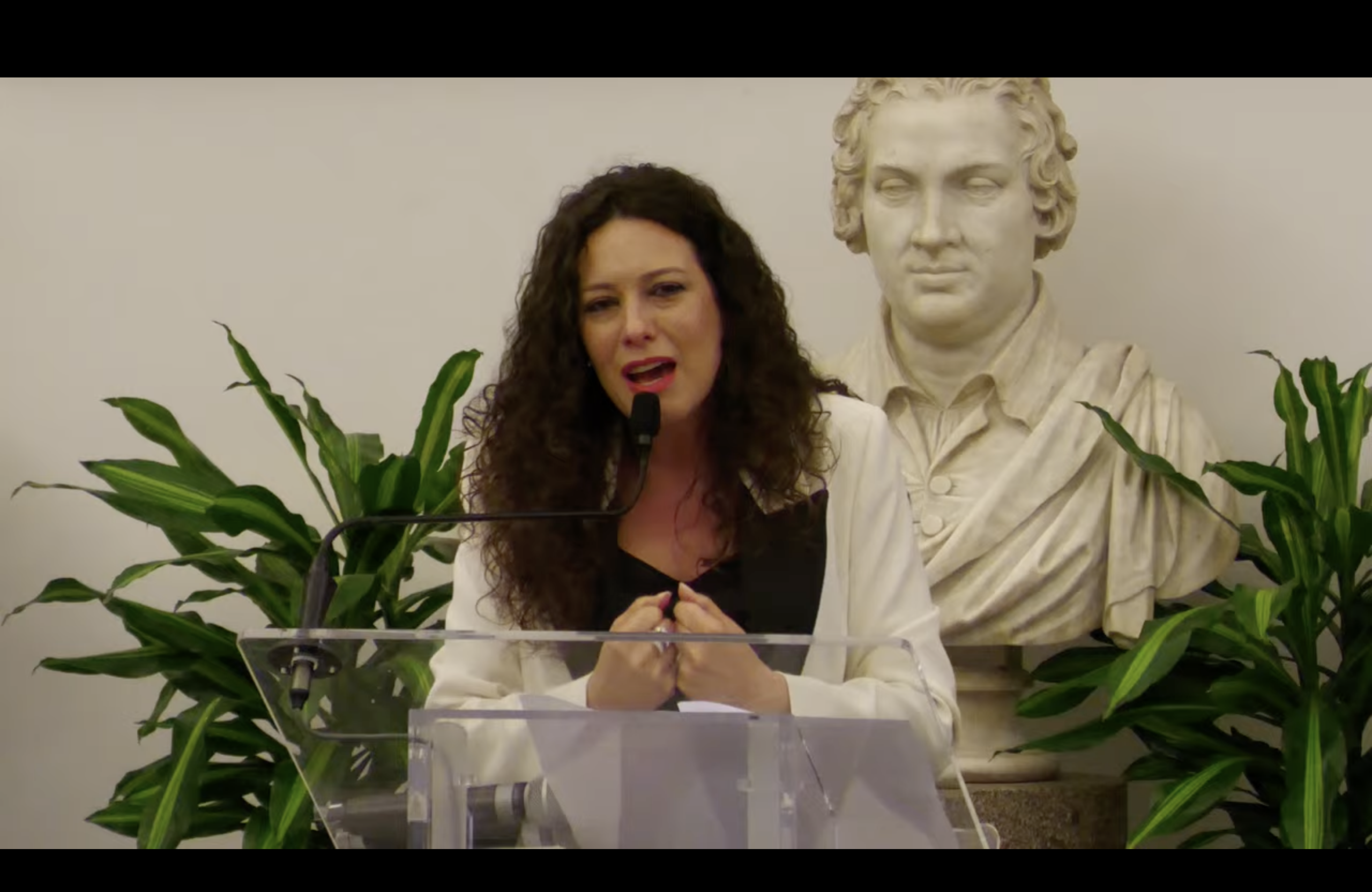
Finally, it was time for the political speeches. The Vice-President of the European Parliament, Antonella Sberna, urged the young people “never to stop dreaming” and “always to believe in yourselves.” In her speech, she emphasised that “it is never too late to realise what your dream really is” and described European citizenship as “the best thing that could happen to you.” Finally, she highlighted the European Union’s purpose as a shared project: “European nations have chosen to come together for a better future for everyone.”
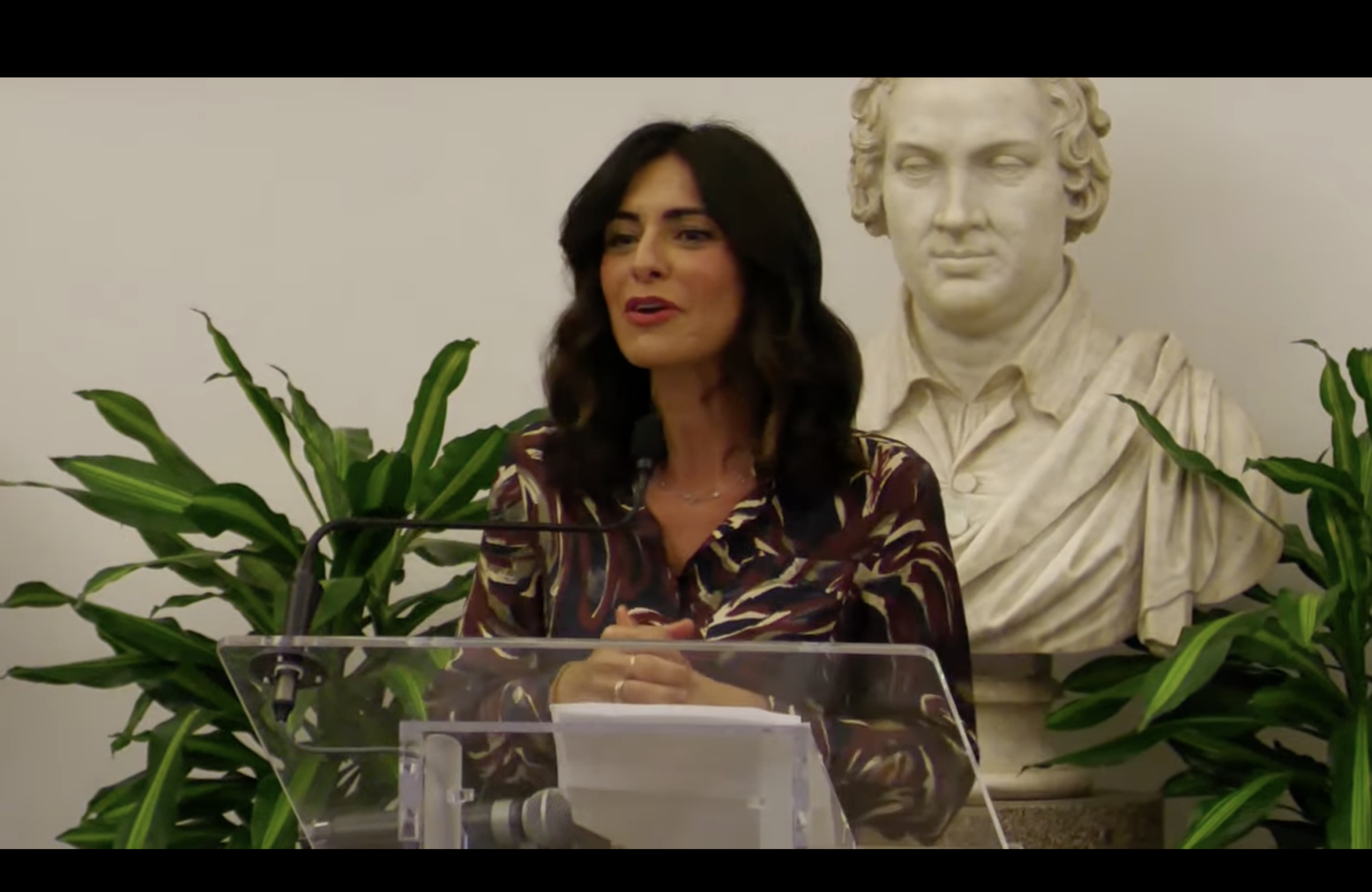
The speeches were concluded by the other Vice-President of the European Parliament, Pina Picierno, who, quoting the poet Danilo Dolci, recalled that “everyone grows only if they are dreamed of,” linking this idea to the future of Europe. “Today, it is easier to fuel fears than to build hope,” she said, emphasising, however, that “Europe was born from the choice to transform divisions and national interests into cooperation, solidarity, and peace”. Addressing the young people, she concluded: “Europe does not live in nostalgia for the past, but in the ability to imagine the future.”
English version by the Translation Service of Withub