
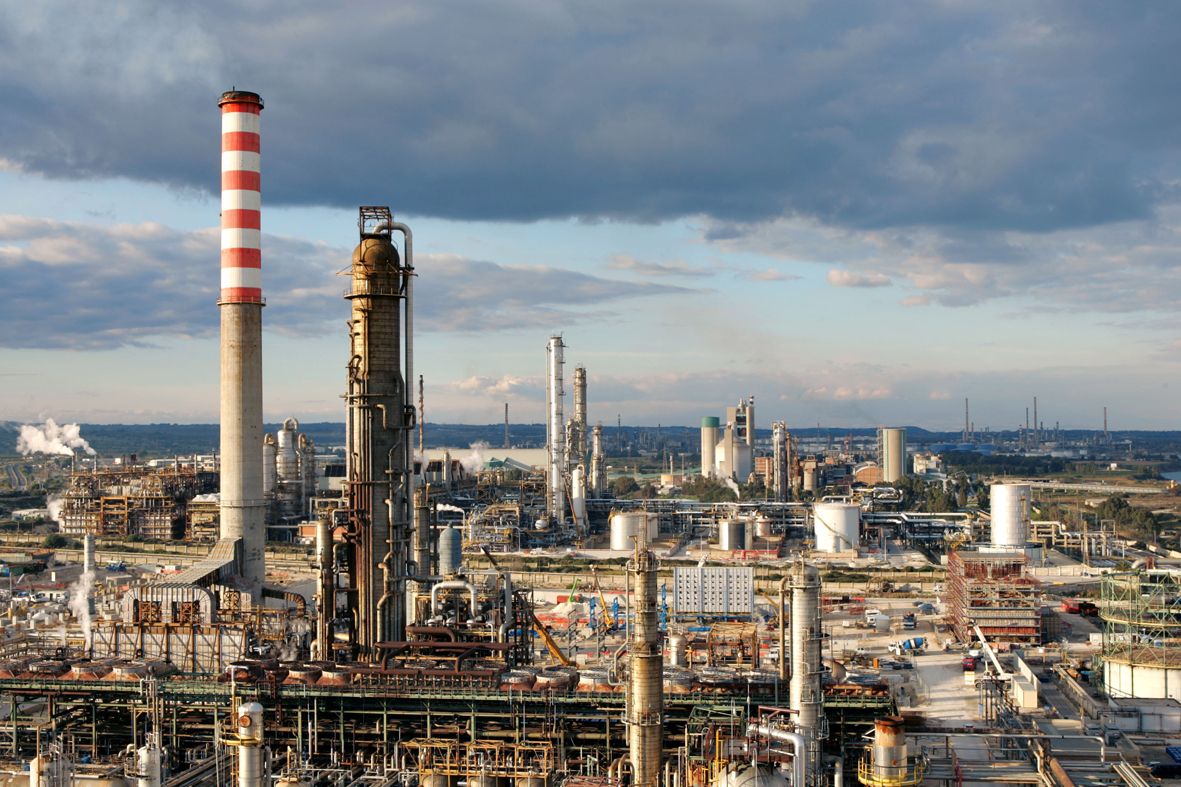
Brussels – In 2025, the European Union’s economy and households produced 3.3 billion tonnes of CO₂ (carbon dioxide), a reduction of 17.2 per cent compared with 2015. The figures come from the first estimates for 2025, which Eurostat, the European Union’s statistical office, published for the first time today (16 June). The data show that the decline affected most economic activities: in the energy sector—which includes the supply of electricity, gas, steam, and air conditioning—emissions fell by 45.3 per cent, while in mining and quarrying they dropped by 33.3 per cent. These were followed by manufacturing (16.0 per cent), households (14.7 per cent) and the services sector (11.9 per cent). The agency also highlights reductions in agriculture, forestry and fishing (-5.9 per cent), as well as in water supply, sewerage, waste management, and remediation activities (-2.6 per cent). In contrast, emissions from the construction sector and transport increased by 11.4 per cent and 10.9 per cent, respectively.
Between 2015 and 2025, greenhouse gas emissions declined in twenty-three EU countries and rose in four. The most significant decreases were recorded in Estonia (-41.7 per cent), Finland (-30.7 per cent), and Germany (-27.3 per cent). By contrast, increases were recorded in Malta (+169.4 per cent), Cyprus (+10.7 per cent), Lithuania (+9.5 per cent), and Romania (+5.4 per cent). While emissions fell in most countries, the EU nevertheless recorded an overall increase in its gross domestic product (+17.5 per cent).
Italy has also seen its emissions fall, from 4.56 million tonnes of CO₂ in 2015 to 3.86 million tonnes in 2025. However, in 2025, the country remained among the top five biggest polluters after Germany (6.9 million), France (4.04), followed by Poland (3.61) and Spain (2.85)
English version by the Translation Service of Withub




![Da sinistra: il presidente del Consiglio europeo, Antonio Costa; il presidente dell'Ucraina, Volodymir Zelensky: la presidente della Commissione europea, Ursula von der Leyen [Bruxelles, 18 giugno 2024. Foto: European Council]](https://www.eunews.it/wp-content/uploads/2026/06/euco_ua260618-120x86.jpg)
![[foto: Saverio De Giglio/imagoeconomica]](https://www.eunews.it/wp-content/uploads/2026/10/cpt-120x86.png)