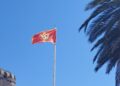
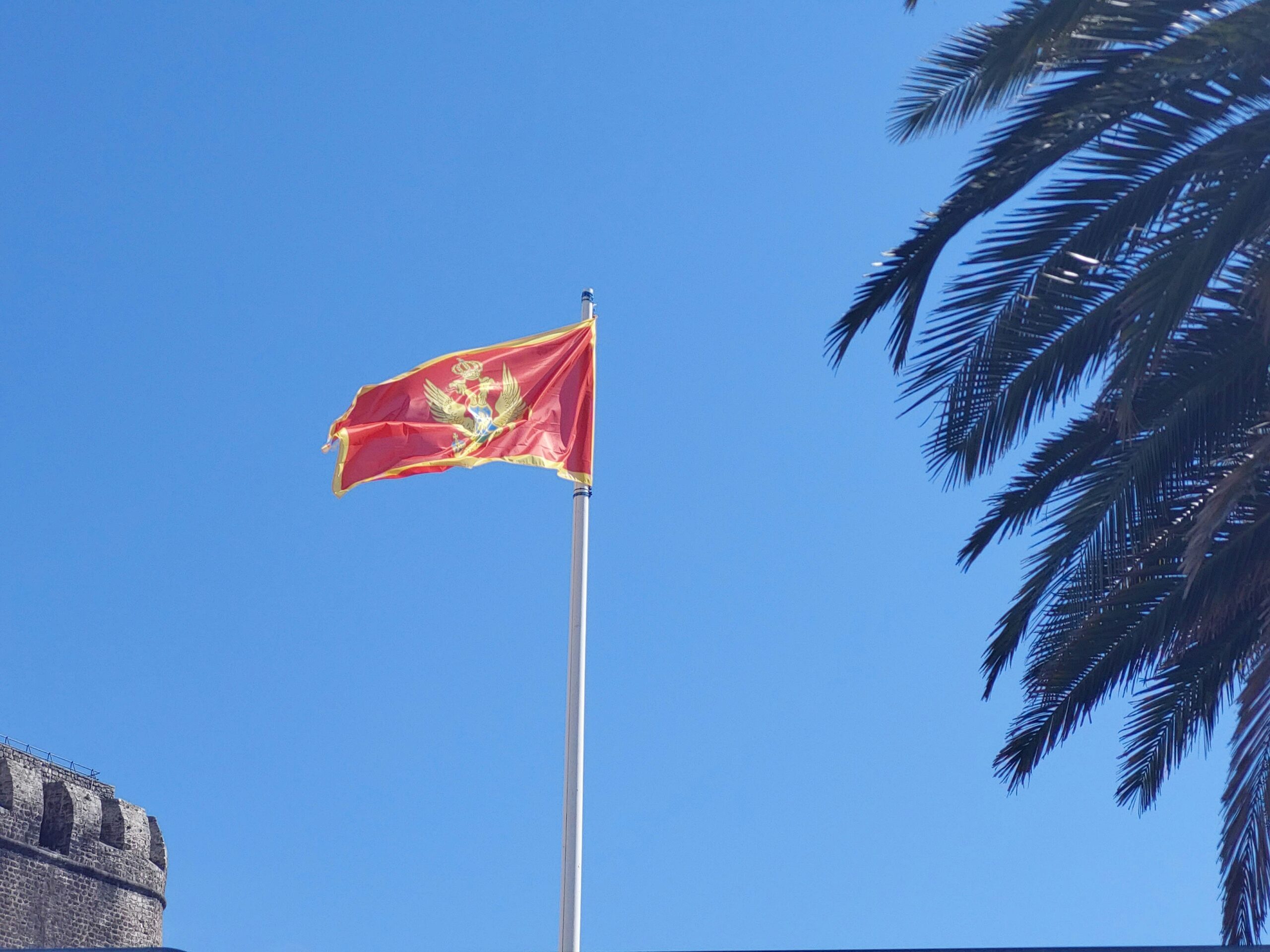
Brussels – “The package we have adopted today reflects both the European Union’s fulfilment of its commitments and the work carried out by Montenegro.” This was announced today (30 June) by the European Commissioner for Enlargement, Marta Kos, after the Commission adopted the financial package setting out the budgetary arrangements for Montenegro during its EU accession process. The proposal “will make the transition from candidate country to Member State as smooth as possible,” explained Kos, and will “ensure continuity from day one.” The Financial and Budgetary Provisions package forms part of Chapter 33 of Montenegro’s accession negotiations and aims to provide “a clear overview of the expected financial implications of Montenegro’s accession to the EU.”
The document aims to ensure Montenegro’s full participation in EU policies and the EU budget, both as a beneficiary and as a contributor. The aim is to “prevent any disruption to funding,” as well as to “minimise unnecessary administrative burdens.” The Commission has therefore set out “a clear path on the same terms and with the same level of ambition as for other Member States,” with a view to “accelerating economic convergence, supporting sustainable growth, and further boosting integration into the EU single market, to the benefit of both Montenegro and the other Member States.” Thus, on the one hand, Montenegrin citizens, businesses, and institutions will be able to benefit “from greater investment, stronger public institutions and deeper integration,” while on the other hand, enlargement “will contribute to Europe’s stability, connectivity, and competitiveness.”
According to the Commission’s proposal for the next Multiannual Financial Framework (MFF), the EU’s long-term budget, “support for Member States is set to be delivered through results-based plans, covering areas such as regional development, agriculture, social policy and home affairs, with disbursements linked to the fulfilment of agreed steps.” Consequently, a “structured transition from pre-accession assistance to support under the EU’s internal funds” is envisaged for Montenegro. The aim is “to ensure continuity, strengthen the delivery of funds, and ensure that EU funding is firmly focused on results.”
Today’s proposal is the subject of negotiations between the EU and Montenegro and has been submitted by the Commission to the Council of the EU. Accession negotiations with Montenegro began on 29 June 2012 and, although the 33 accession negotiation chapters have all been opened, 16 have been provisionally closed. In May 2026, an ad hoc Council working group was set up to draft the Accession Treaty with Montenegro.
English version by the Translation Service of Withub
![La presidente della Commissione europea Ursula von der Leyen e il presidente francese Emmanuel Macron in Montenegro [Foto: EC - Audiovisual Service]](https://www.eunews.it/wp-content/uploads/2026/06/P-069862_00-12_02-HIGH-766933-350x250.jpg)


![[Foto: Unsplash]](https://www.eunews.it/wp-content/uploads/2026/06/febiyan-hwDGRQzAeM-unsplash-120x86.jpg)