Brussels – It is the most sensitive summit: the NATO summit gets underway today (7 July) in Ankara (the actual meeting of allied heads of state and government will take place tomorrow, but meetings and discussions are already underway today) at a time of internal tensions and doubts about the true unity of the North Atlantic Alliance. The summit in Turkey is the first since the one in The Hague last year, which marked a turning point on defence spending, with the allies committing to reaching 5 per cent of GDP by 2035. But while the message at that time was one of renewed transatlantic unity, today the Alliance arrives at the Turkish summit with relations between Washington and its European allies more complex and strained, particularly following Donald Trump’s latest attacks.
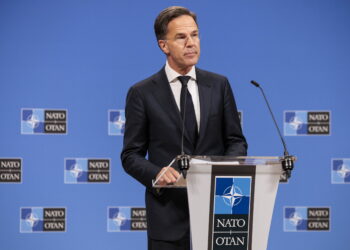
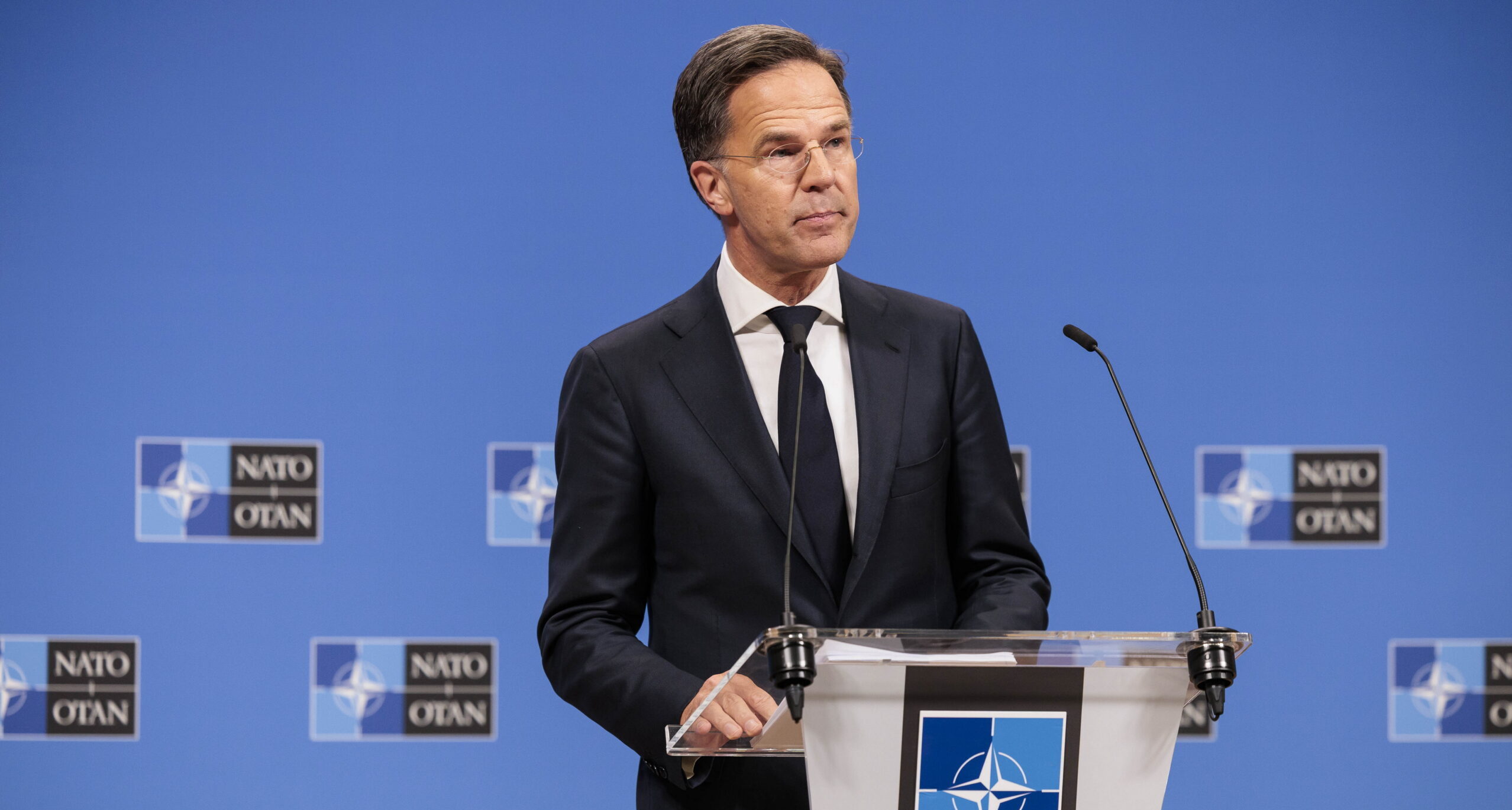
The Turkish capital is hosting 32 NATO heads of state and government, who have been called upon to take stock of the implementation of the commitments made in The Hague, the strengthening of the defence industry, and support for Ukraine. Today began with the Defence Industry Forum, dedicated to cooperation between governments and companies in the sector, with the announcement of new contracts and agreements worth billions of dollars. According to the NATO Secretary General, Mark Rutte, the summit must turn promises into concrete capabilities. “Last year, the Allies decided to invest 5 per cent of GDP in defence, ramp up production and accelerate innovation. A year on, we are already seeing transformative progress,” he said, emphasising that European allies and Canada have increased military spending by around $139 billion in the last year alone. Taken together, 2025 and 2026 show an investment increase exceeding $250 billion. Now, the key is to put these resources to use quickly. “The money is there, and much more is on the way, but it must be put to work,” explained Rutte, announcing new contracts worth tens of billions for air defence systems, ammunition, drones, anti-drone capabilities and satellite communications. The Secretary-General spoke of the need for a “transatlantic defence industrial revolution,” calling for increased production, reduced bureaucracy, and greater cooperation among member states.
This is a matter close to the former Dutch Prime Minister’s heart. “Throughout the day, allies and companies from both sides of the Atlantic will unveil major new projects and sign contracts worth billions—literally billions—of dollars”, Rutte pointed out, emphasising that “these are billions invested in our security, to boost our economies, and to support hundreds of thousands of new jobs: money well spent.” Among the initiatives is a new air transport project. “Today, several allies have officially announced the forthcoming delivery of the tenth Airbus A330 MRTT to the multinational fleet of tanker aircraft for the transport of supplies. This brings us one step closer to the full fleet of 12 MRTT aircraft. The allies are also launching a new multinational project centred on the Airbus A400M. “This world-class strategic airlift capability, provided by the A330 MRTT and the A400M, will provide the Alliance with two highly efficient multinational fleets,” Rutte explained. But that is not all. The Secretary-General announced an industrial cooperation initiative between European allies and the United States worth $2.81 billion. The joint procurement initiative involves Belgium, Canada, Finland, Germany, the Netherlands, Poland, Norway, Sweden, Denmark, Estonia, Italy, Latvia, Lithuania, Portugal, Romania, Spain, and the United Kingdom. Furthermore, a $40 billion anti-drone defence project and NATO’s acquisition of up to five new high-altitude, long-endurance Triton drones are intended to expand the Alliance’s fleet and strengthen its intelligence, surveillance, and reconnaissance (ISR) capabilities.
The political message of the summit is that Europe plays a more prominent role in NATO. A rebalancing of defence responsibilities is now considered inevitable even within the Alliance, with Europeans being called upon to increase their contribution without calling into question the role of the United States, which remains fundamental to the security umbrella and strategic capabilities.
However, the relationship with Washington is the main unknown factor at the summit. On the eve of the meeting,
Trump had once again attacked the Italian Prime Minister, Giorgia Meloni, fuelling tensions between the White House and some European governments. In Ankara, the US president then reiterated that he was “very disappointed with NATO,” adding that he probably would not have attended the summit had it not been hosted in Turkey, where he described President Recep Tayyip Erdoğan as “a very strong leader.” Trump also criticised Italy, Germany, and France, accusing them of not sufficiently supporting the United States. “Italy has turned its back on us, Germany has turned its back on us, France has turned its back on us,” he declared during his bilateral meeting with Erdoğan, once again calling into question the relationship between Washington and its European allies.
The war in Ukraine also remains a key issue on the agenda. President Volodymyr Zelensky is in Ankara to seek further commitments to strengthen air defence, particularly regarding Patriot systems. During a press briefing with the Ukrainian leader, Rutte confirmed that NATO’s support would continue, emphasising that Ukraine’s security is closely linked to the entire Alliance.
After speaking with Vladimir Putin and Zelensky, Trump claimed that “both want to reach an agreement” to end the conflict. However, this position remains at odds with that of many European allies, who are convinced of the need to maintain pressure on Russia and to guarantee military support for Kyiv. The Ankara summit will therefore have to tackle two parallel challenges: pursuing the development of a new European defence capability and preserving the political unity of an Alliance riven by internal tensions. The outcome of the summit will also depend on the leaders’ ability to keep the transatlantic front united at a time of great international instability.
English version by the Translation Service of Withub