
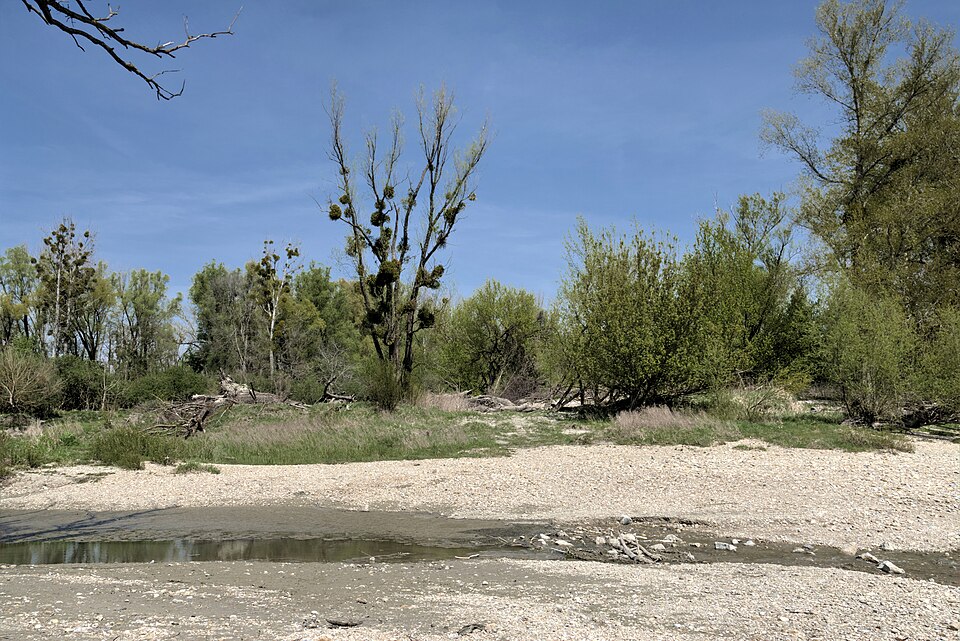
Brussels – Heat and drought are causing the Danube to dry up at such a rate and to such an extent that Hungary risks having to shut down its nuclear reactors due to a lack of water for cooling. These developments, linked to the heatwave gripping Europe, are also causing concern for the European Commission. “So far, there has been no need to convene the Electricity Coordination Group, but we are ready to convene it” should the situation require it, says Anna-Kaisa Itkonen, spokesperson for the European Commission on energy matters.
The Electricity Coordination Group is the expert body that facilitates strategic discussions on electricity policy, security of supply, and market implementation. It meets on an ad hoc basis to address emerging cross-border challenges, grid stability, and crisis management responses across all Member States of the European Union. The Commission is already taking action, but in any case, Brussels wishes to set the record straight: “It is not accurate to say that nuclear energy is unreliable and unsafe,” the Commission spokesperson stressed.
What is happening with the low water levels of the Danube, Itkonen points out, is “extreme weather that is affecting the capacity” to generate energy, specifically nuclear energy. Nevertheless, vigilance remains at its highest and “we are monitoring the situation in Hungary, Romania, and Bulgaria,” said the Commission spokesperson. “At present, we do not foresee any supply issues.”
Even if the reactors were shut down and energy supplies cut off, Itkonen points out that the EU has mechanisms in place to deal with such a scenario and thus meet the needs of Hungary and the affected citizens.
English version by the Translation Service of Withub