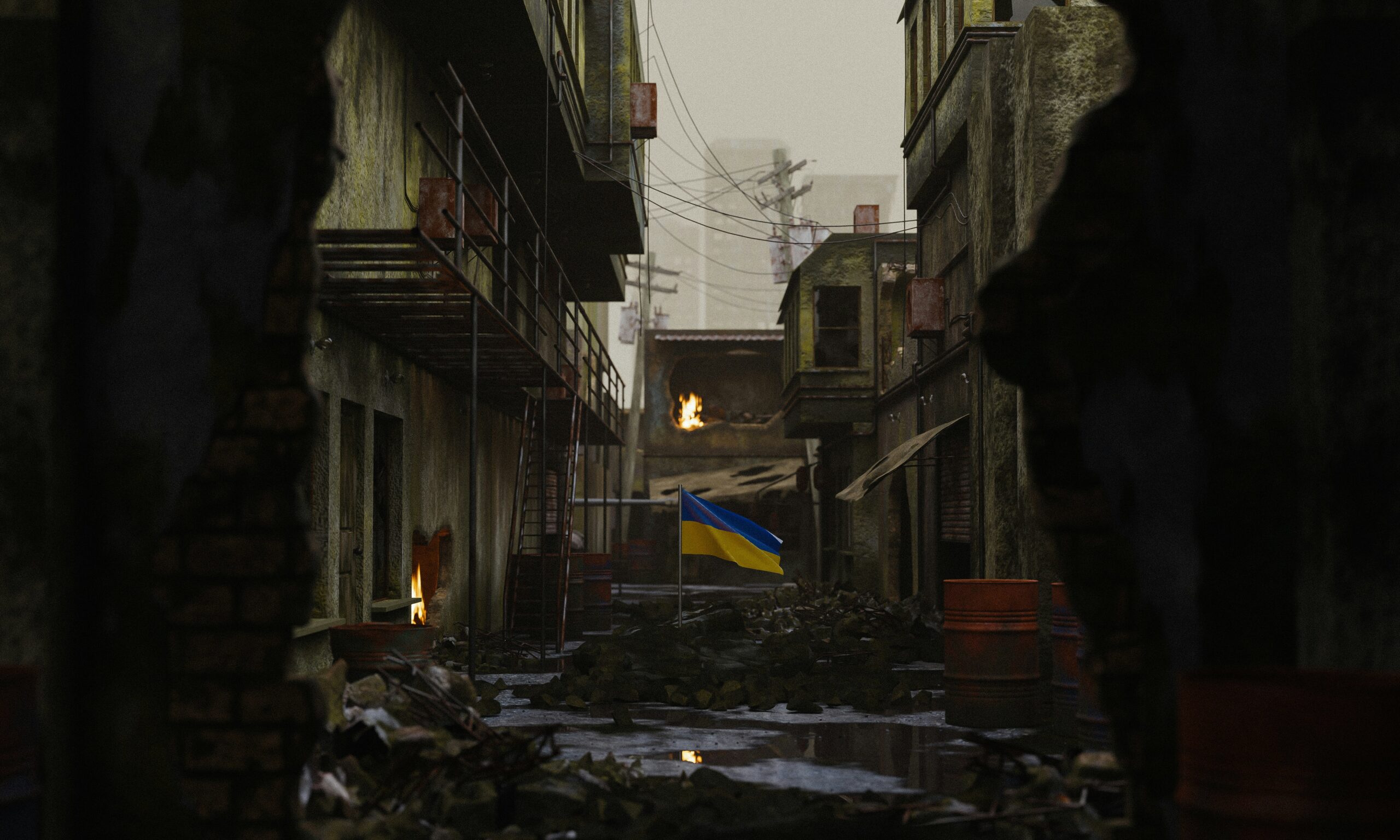
Brussels – There has been no communication between Moscow and Brussels since the Russian invasion of Ukraine. But some contacts need to be (re)established, some strings need to be pulled so that we can talk—who knows when—about peace talks. And this informal “underground diplomacy” has been set in motion as part of a process that was meant to remain secret, but which was revealed to the press.
Former European and Russian officials met in Vienna last month to discuss the peace talks intended to bring an end to the war in Ukraine. The news was reported by the US media outlet Bloomberg, which received the information from internal sources. The meeting was attended by figures who had held positions of the highest responsibility, such as the former UK National Security Adviser, Tim Barrow, the former German State Secretary, Markus Ederer, and the French diplomat Pierre Vimont, former Secretary-General of the European External Action Service (EEAS). As of today (5 August), however, the Russian counterpart has not yet been identified.
In July, the President of Azerbaijan, Ilham Aliyev, declared that, during the course of the month, certain flight records suggested that former German and Russian officials, as well as figures still in office, had organised a secret meeting in Baku. Aliyev also pointed out that the authorities in his country had not been informed of the July meeting and that Ukraine might have been among the topics discussed. The Kremlin has not commented on his statements. According to a joint investigation between the newspaper Die Zeit and the broadcaster ARD, both German, it has been since 2024 that the former German officials Ronald Pofalla and Matthias Platzeck have been organising meetings with Russian representatives in the Azerbaijani capital. Pofalla and Platzeck are reported to have met the chairman of Gazprom’s board of directors and former prime minister, Viktor Zubkov, along with other Russian figures subject to EU sanctions.
Meanwhile, the war in Ukraine continues. Overnight, Russian air strikes hit Kyiv and the surrounding areas. According to a report by the President of Ukraine, Volodymyr Zelenskyy, on his Telegram channel, 17 people were killed and 24 injured. On her social media channels, the President of the European Commission, Ursula von der Leyen, stated that “once again we wake up to news of horrible atrocities committed by Russia through its air attacks on Ukraine.” Von der Leyen therefore took the opportunity to reiterate that “Russia must pay for the destruction it has caused” and announced that the Commission is “using the proceeds from frozen Russian assets to ensure that it does so.” Like von der Leyen, the President of France, Emmanuel Macron, has expressed his support for Kyiv, stating that once again “Russia has chosen to target civilians.” In what has been described as a “policy of terror, waged with missiles and drones,” the President emphasised that he stands “side by side with Ukraine” and that we must not give in “to either fatigue or intimidation.”
English version by the Translation Service of Withub


![Il ministro dei Trasporti, Matteo Salvini [Bruxelles, 5 dicembre 2024. Foto: Emanuele Bonini per Eunews]](https://www.eunews.it/wp-content/uploads/2024/12/salvini241205-120x86.jpeg)