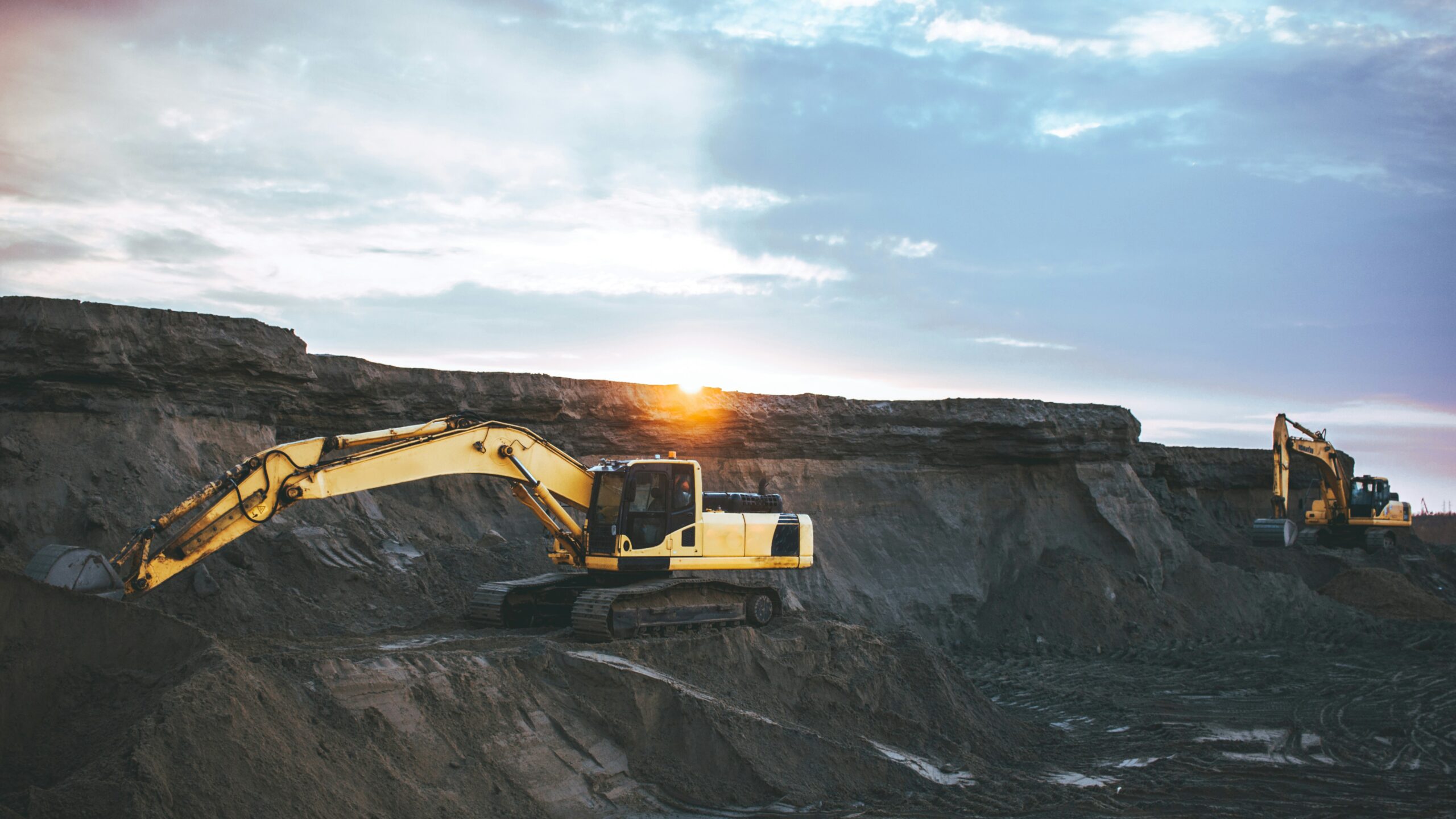
Brussels – Coal is losing ground in the European energy mix. In 2025, bituminous coal and lignite together accounted for just 9.2 per cent of the European Union’s gross electricity generation, marking the lowest level ever recorded. The figure confirms a long-term trend in which coal’s share of EU electricity generation fell from over a third in 1990 to less than a tenth last year. This is demonstrated by Eurostat data, the Statistical Office of the European Union. 
More specifically, hard coal accounted for 3.7 per cent, equivalent to 105,601 gigawatt-hours (GWh), while lignite accounted for 5.5 per cent, with 154,186 GWh. As early as 2024, the overall share of coal had already fallen below the 10 per cent threshold for the first time, before declining further in 2025.
This decline is even more evident when viewed from a historical perspective. In 2000, coal accounted for 30.4 per cent of European electricity generation, having previously been one of the continent’s main energy sources. Since then, its share has gradually declined, with only slight rebounds in 2011–2012 and 2021–2022. A comparison with other energy sources also highlights coal’s decline. In 1990, hard coal and lignite were the second and third largest sources of electricity generation, respectively, accounting for 19.8 per cent and 15.3 per cent. By 2025, however, they had slipped to seventh and sixth place.
Over the last thirty years, both have gradually been overtaken by other sources. Nuclear power overtook both types of coal as early as 1994, natural gas in 2019, while hydroelectric and wind power overtook coal in 2023 and solar power in 2024. The decline in coal-fired electricity generation is also accompanied by new lows in consumption. In 2025, consumption of bituminous coal in the EU is estimated at 107 million tonnes, while that of lignite is estimated at 184 million tonnes: both figures represent new all-time lows.
The phase-out of coal is also progressing at the national level. Portugal stopped using coal to generate electricity in 2021, while Slovakia completed the phase-out of lignite-fired power generation in 2024. This leaves eight EU countries still producing lignite, while the EU as a whole continues, albeit at different speeds, on its path towards phasing out coal.
Against this backdrop of transition, Italy, too, is showing a trend consistent with the gradual reduction in gross electricity generation. According to the data, following the peak of 24,855.506 thousand tonnes of oil equivalent recorded in 2021, domestic production fell in 2022, before contracting further in 2023. In 2024, there was a slight recovery, with the figure standing at 23,302.4 thousand tonnes of oil equivalent, though this still represented a marked decrease compared with the levels at the start of the decade.
English version by the Translation Service of Withub