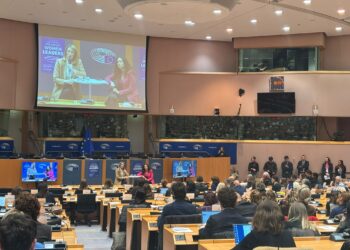
Brussels – Local associations, community initiatives, and the voluntary sector must play a more active role in strengthening European democracy. Why? Because we need to counter “the disengagement of European citizens from public life, the rise of the far right and growing political polarisation.” This was emphasised by the European Economic and Social Committee (EESC) in an opinion on democratic and inclusive participation adopted during its last plenary session in October. The text urges the EU and its Member States to strengthen organisations in this sector, as well as to offer citizens greater opportunities to influence decisions affecting their communities. “Our key message is simple: Europe’s democratic resilience cannot be built by the institutions alone. It requires a strong and independent civil society, as well as the active participation of citizens and communities,” explained the rapporteur for the text, Ionuţ Sibian.
The opinion highlights that “across Europe, many people are becoming increasingly disengaged from democratic life,” in particular “young people living outside urban centres, disadvantaged communities, and minorities.” According to the EESC, this disengagement is linked to “the shrinking of civic space, structural exclusion, and a lack of opportunities to participate in decision-making processes – factors which are fuelling the rise of far-right nationalist parties.” The Committee noted that if communities are excluded from democratic processes, “they risk losing trust in public institutions, while at the same time becoming more vulnerable to manipulation and disinformation.” In a context already marked by growing political polarisation across Europe, it is therefore made clear that strengthening democracy does not mean “merely protecting institutions from internal and external threats, but also creating opportunities for people to participate actively in shaping public policy.”
English version by the Translation Service of Withub