Brussels – Beware of surface waters: whether natural or wastewater, this is where the danger to humans lurks. According to the European Environment Agency (EEA), “Climate change and other environmental factors can promote the accumulation, persistence and spread of antimicrobial-resistant (AMR) bacteria and antibiotic-resistant genes” in surface waters. The special report on antimicrobial resistance includes not only a warning but also a recommendation on how to protect oneself: “AMR monitoring in the environment is necessary to support the assessment and management of the associated risk, particularly in the aquatic environment”.
The situation highlighted by the European organisation is serious.
It is estimated that in the EU and the European Economic Area, over 35,000 people die each year due to antibiotic-resistant infections. If no attention is paid to the surrounding environment, the problem risks escalating and could “surpass other causes of mortality by 2050.”
Projections suggest that, depending on the modelling approach and underlying assumptions, by 2050 antimicrobial resistance could be responsible for up to 1.9 million directly attributable deaths and approximately 8.2 million associated deaths globally.
Antimicrobial resistance: an impact similar to that of malaria and HIV
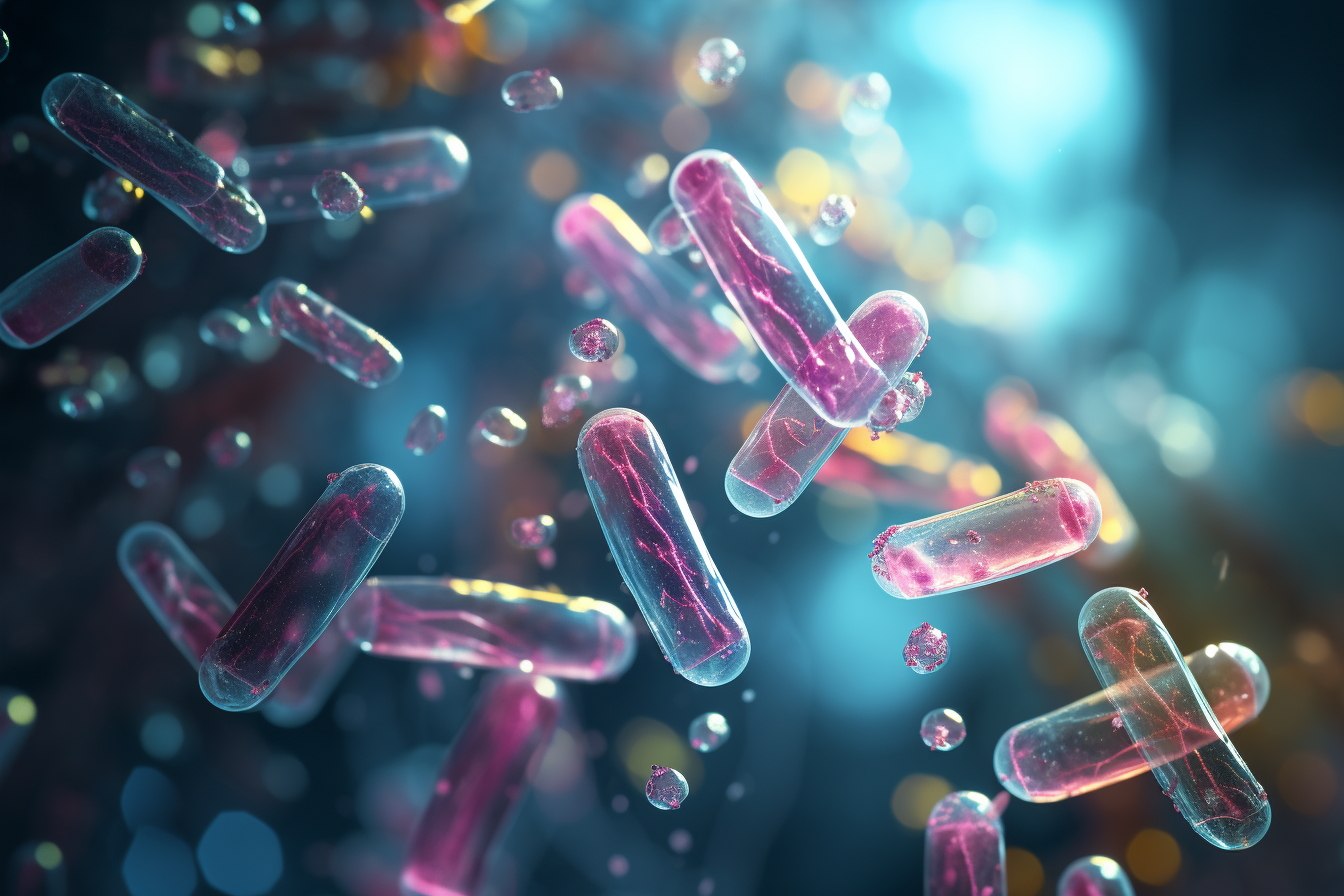
Antimicrobial resistance occurs when microorganisms acquire the ability to survive antimicrobial treatments. AMR leads to the emergence and spread of drug-resistant pathogens in humans, animals and plants. Consequently, as the European Environment Agency points out, “infections become harder to treat and may lead to prolonged illness, greater healthcare costs and increased mortality.”
To further illustrate the scale of the challenge, the study stresses that “AMR is a major global public health threat, with a global health burden comparable to that of HIV and malaria.” Hence, the call for attention and the resulting actions.
Climate change as a catalyst
Climate change poses a serious risk to human health. Antibiotic resistance genes (ARGs) are transmitted and spread among bacterial species in the environment via horizontal gene transfer (HGT). Close contact between bacteria causes “contagion”. This process “is promoted by the presence of selective agents”, according to the report. In this regard, “rising temperatures associated with climate change further accelerate these processes by increasing bacterial growth rates, enhancing HGT efficiency, and improving the survival of host-associated bacteria in environmental compartments”.
According to the European Environment Agency, “climate change, especially increasing temperatures and more extreme rain events, is expected to accelerate
these processes in multiple ways.”
Contact with surface water “contaminated” by antibiotic-resistant agents, or prolonged exposure to such water, may lead to human transmission, with all the associated consequences. Data and information are still lacking, but in the meantime, the European Environment Agency is sounding a warning.
English version by the Translation Service of Withub