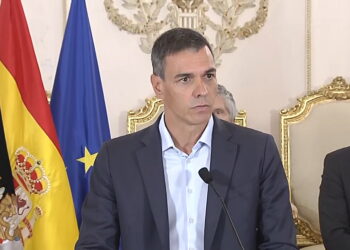

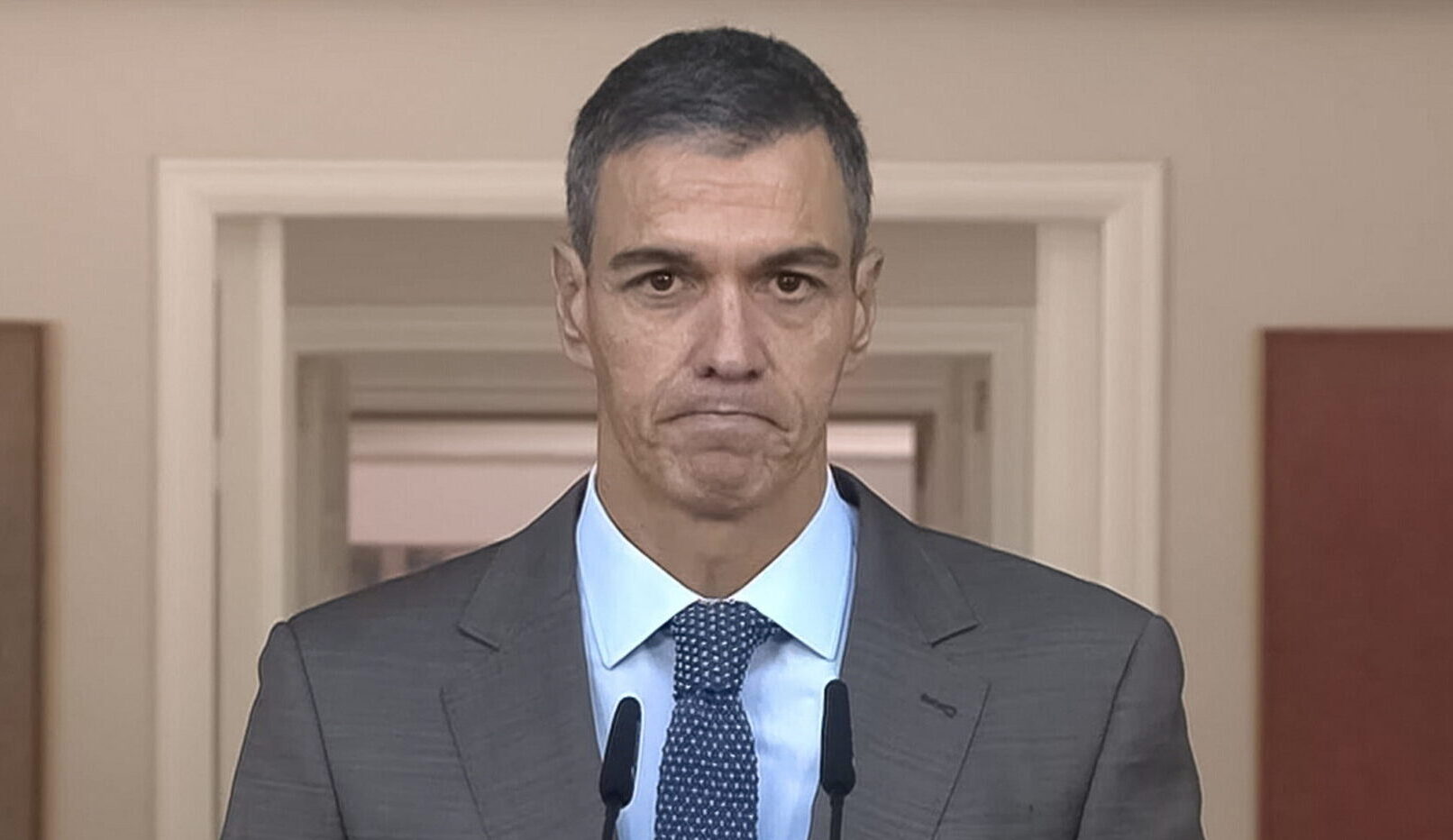
Brussels – Pedro Sánchez will not be there. Spain’s outgoing Prime Minister will not be attending the extraordinary summit of heads of state and government tomorrow and on Friday (26 and 27 November) due to the general election scheduled for Sunday (29 November), which aims to give the Spanish Crown a new majority and government. The election campaign means that Sánchez must remain in office to manage the final stages of a decisive moment, not only for Spain.
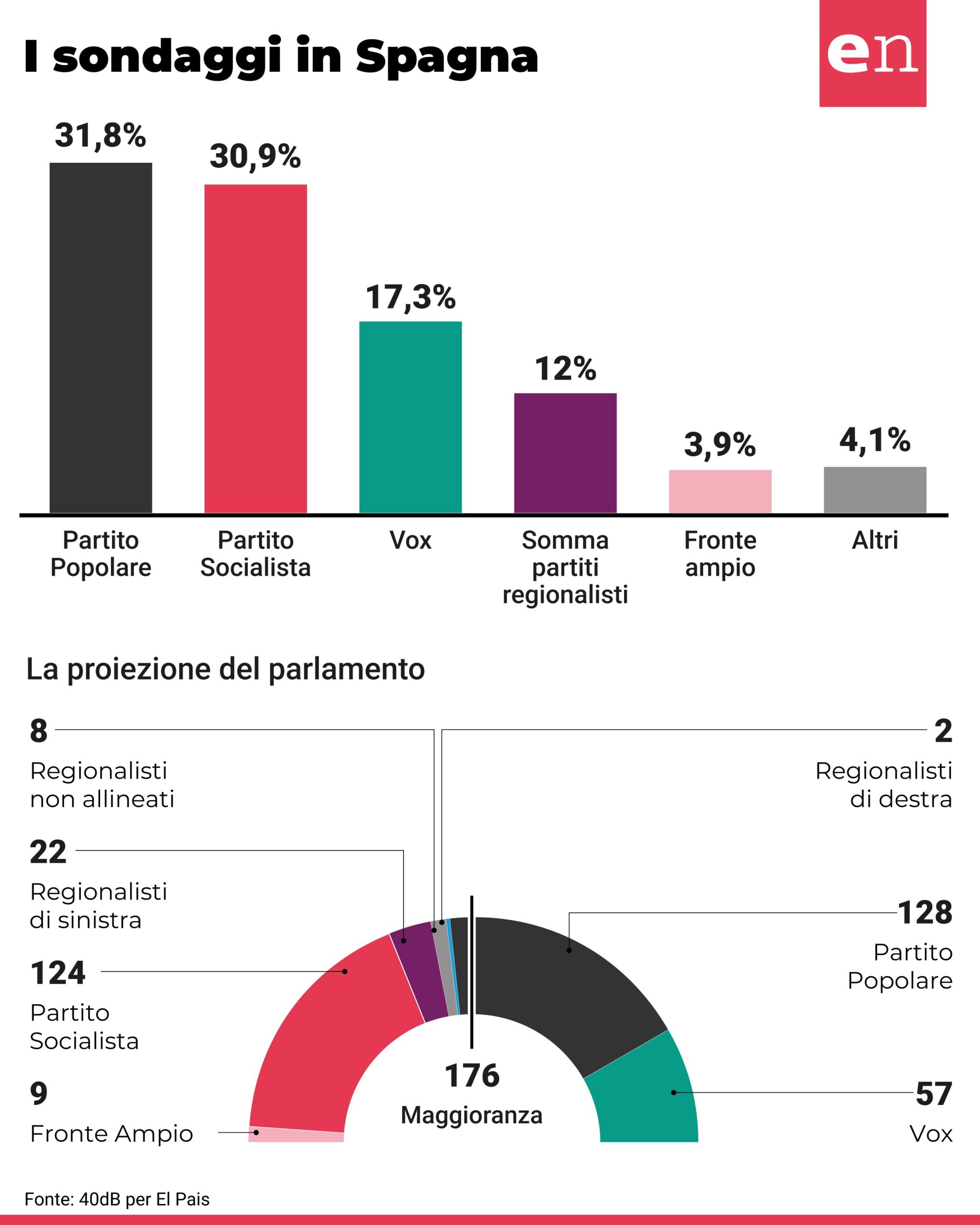
The latest polls show the Spanish People’s Party (PP) in the lead, with around 31.8 per cent of the vote, ahead of the Socialists (PSOE), who are expected to secure 30.9 per cent. In third place is the far-right, Eurosceptic and neo-Francoist Vox party, with just under 18 per cent of voting intentions. Should these figures be confirmed on 29 November, a right-wing alliance is on the cards, which would plunge the European Union into the hands of forces ill-disposed towards strengthening and revitalising the European project.
The rise of nationalism in Spain risks shaping the political course ahead: with the far right in Italy, conservative forces in Poland and Hungary, and the possibility of nationalist forces gaining ground in France in 2027, there is a risk that this will complicate not only the implementation of the European agenda, but also its formulation.
Given the uncertainty and sensitivity of the situation, Sánchez prefers to monitor the fortunes of the party, the government, and the country from Madrid. France will represent Spain at the table of the heads of state and government of the EU-27. Sánchez has delegated French President Emmanuel Macron, as he is the only leader amongst the major Member States to openly advocate for an ambitious multiannual financial framework (MFF 2028–2034) and increased resources, in contrast to the cuts being demanded by Germany and the hardline hawks in northern Europe (the Netherlands, Denmark, Finland, Sweden).
Whatever the outcome of the 29 November election, it seems certain that Sánchez will represent Spain at the European Council summit in December (18–19 December), given the timetable for forming the new government and the swearing-in ceremony. The EU leaders’ meeting in December could prove to be the moment when agreement is reached on the multiannual budget, given the current circumstances: the parties are heading into this week’s extraordinary meeting more divided and further apart than ever, and an agreement seems a long way off.
English version by the Translation Service of Withub