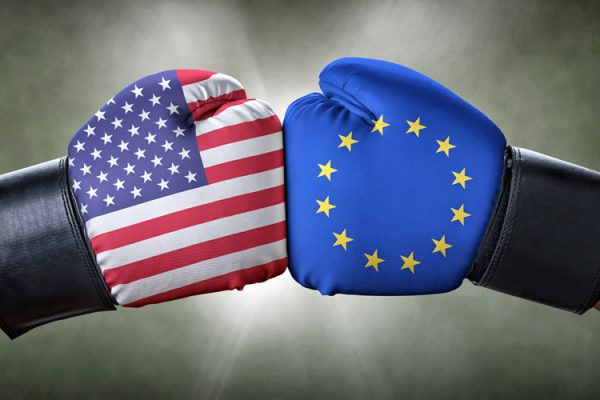
Brussels – In a European Union that praises Donald Trump at every opportunity, the European Parliament’s show of pride makes waves: in a resolution adopted today (23 October) by show of hands, the Strasbourg hemicycle made it clear that European regulations on the film industry are not to be touched. Washington, while negotiating the tariff agreement with Brussels, had criticised the directive in force on the old continent, and Trump had threatened to impose a 100 per cent tariff on films made outside the USA.
The dispute revolves around the audiovisual media services directive (AVMSD), which is based on the promotion of European content and cultural diversity. In particular, the tycoon had railed against the obligation for on-demand audiovisual service providers to meet a minimum quota of 30 per cent of EU-produced works in their catalogue. For the Trump administration, this is an obstacle to trade. For MEPs, it is “a legitimate regulation in the public interest.”
Although the trade agreement concluded between the EU and the US on 27 July 2025 does not mention audiovisual regulation, in 2026, the European Commission will conduct an impact assessment and review of the AVMSD, in force since 2018. In the resolution, the EU Parliament calls on the executive to “reject any attempt to consider the AVMSD a distortion of trade and to defend it as a legitimate regulatory instrument.”

Addressing Ursula von der Leyen directly, the rapporteur of the text approved by the hemicycle today, Green MEP Nela Riehl, called for a “strong message” to be “sent” across the Atlantic. “Our cultural sovereignty and our film industry are not for sale,” she made clear before the vote. European Commissioner Dan Jørgensen, who was present in the chamber, assured that “the EU remains firmly committed to the principles of this directive,” which applies “equally to all audiovisual service providers operating in our single market, regardless of their country of origin.”
Jørgensen also emphasised that the directive allows Member States to “impose financial contributions for the production of European works” on both television broadcasters and on-demand services. A rule that “has contributed significantly to the promotion of cultural and linguistic diversity.” This concept is reiterated in the resolution itself: “By stimulating demand for European audiovisual productions, the AVMSD and its obligations contribute to safeguarding cultural diversity, defending freedom of expression, media pluralism, and democratic values,” the MEPs claim.
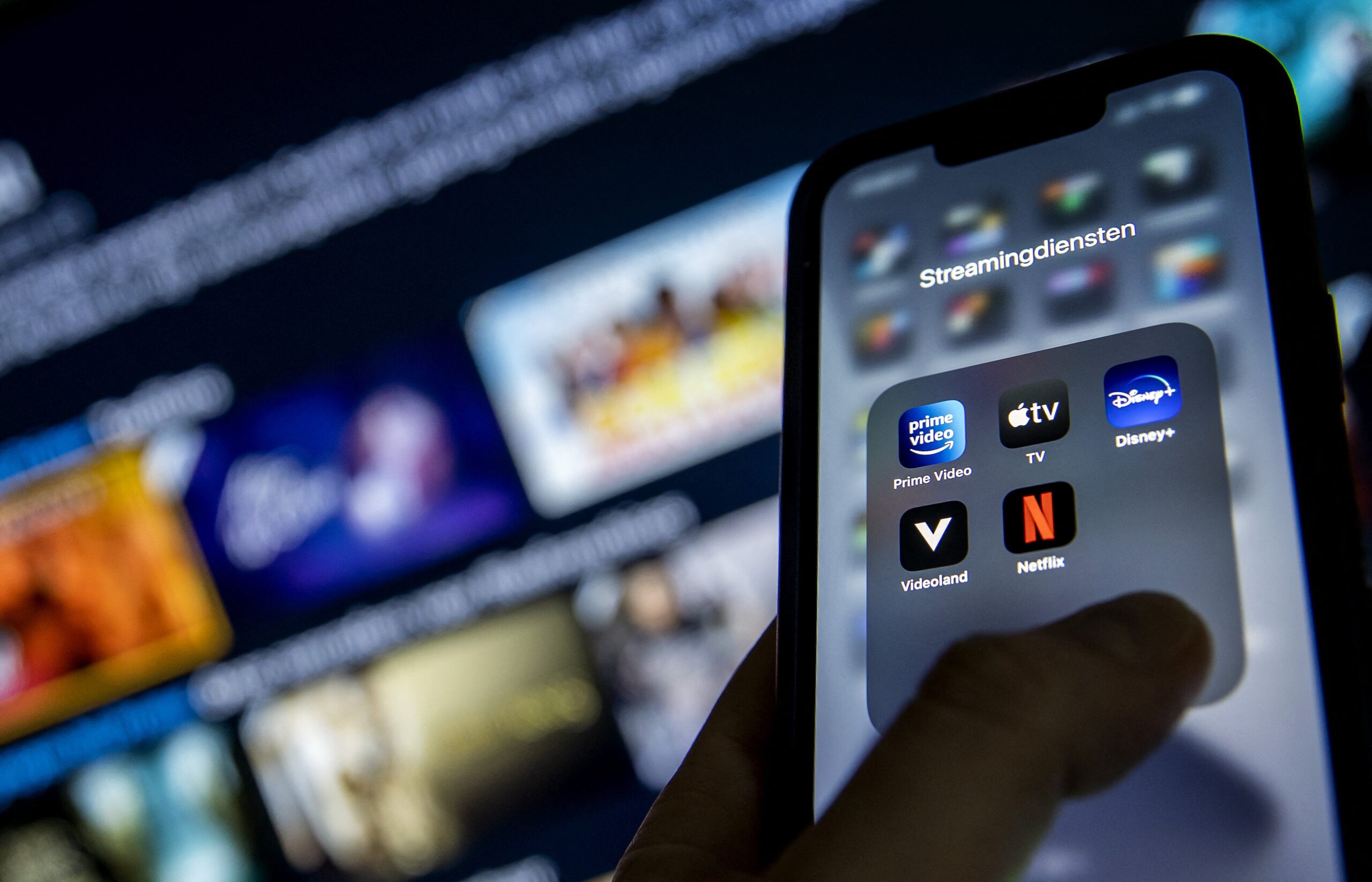
Without such safeguards, the European film industry would be devoured by the biggest fish—Hollywood—that Trump wants to “make great again.” Already today, almost 70 per cent of Europe’s box office sales are of US-produced films, 85 per cent of the time Europeans spend on video-on-demand platforms is concentrated on three US streaming services, and nine of the top ten TV and video-on-demand groups operating in Europe are owned by US companies.
That is why the MEPs argue that “any step back from the principles of the AVMSD” would weaken Europe in the face of “the concentration of economic and technological power by external actors, in particular American companies.”
English version by the Translation Service of Withub