
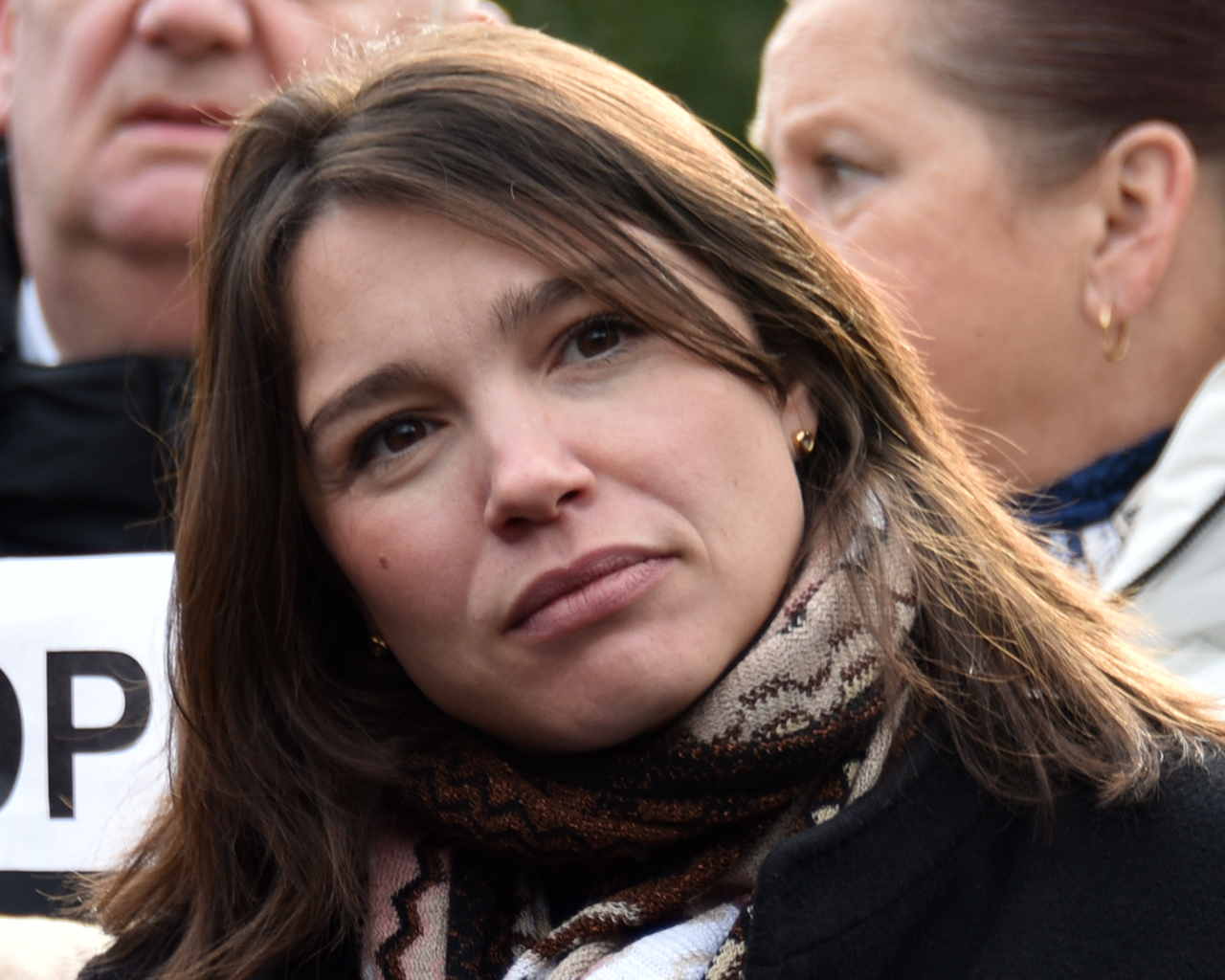
Brussels – Everyone is talking about the frozen Russian funds, which the EU wants to use to finance Kyiv. However, there is little clarity about what they are or what they consist of. People often equate this money with Russian government funds, but these funds also belong, to a large extent, to small Russian investors not affected by EU sanctions. Carrying on this war on awareness is Zhanna Nemtsova, journalist and daughter of the dissident Boris Nemtsov, assassinated in 2015. “European officials struggle to understand the consequences of their sanctions policies fully,” she told DW.
Frozen funds that are also private
Everything revolves around the money frozen in Europe. According to the Reuters news agency, the total would amount to some 210 billion euros, of which Belgian financial institution Euroclear holds 185 billion, while almost all of it is in Luxembourg, in the vaults of Clearstream. According to Russian sources, some 65 billion is not connected to the Russian central bank, and of this, 12 billion belongs to Russian citizens.
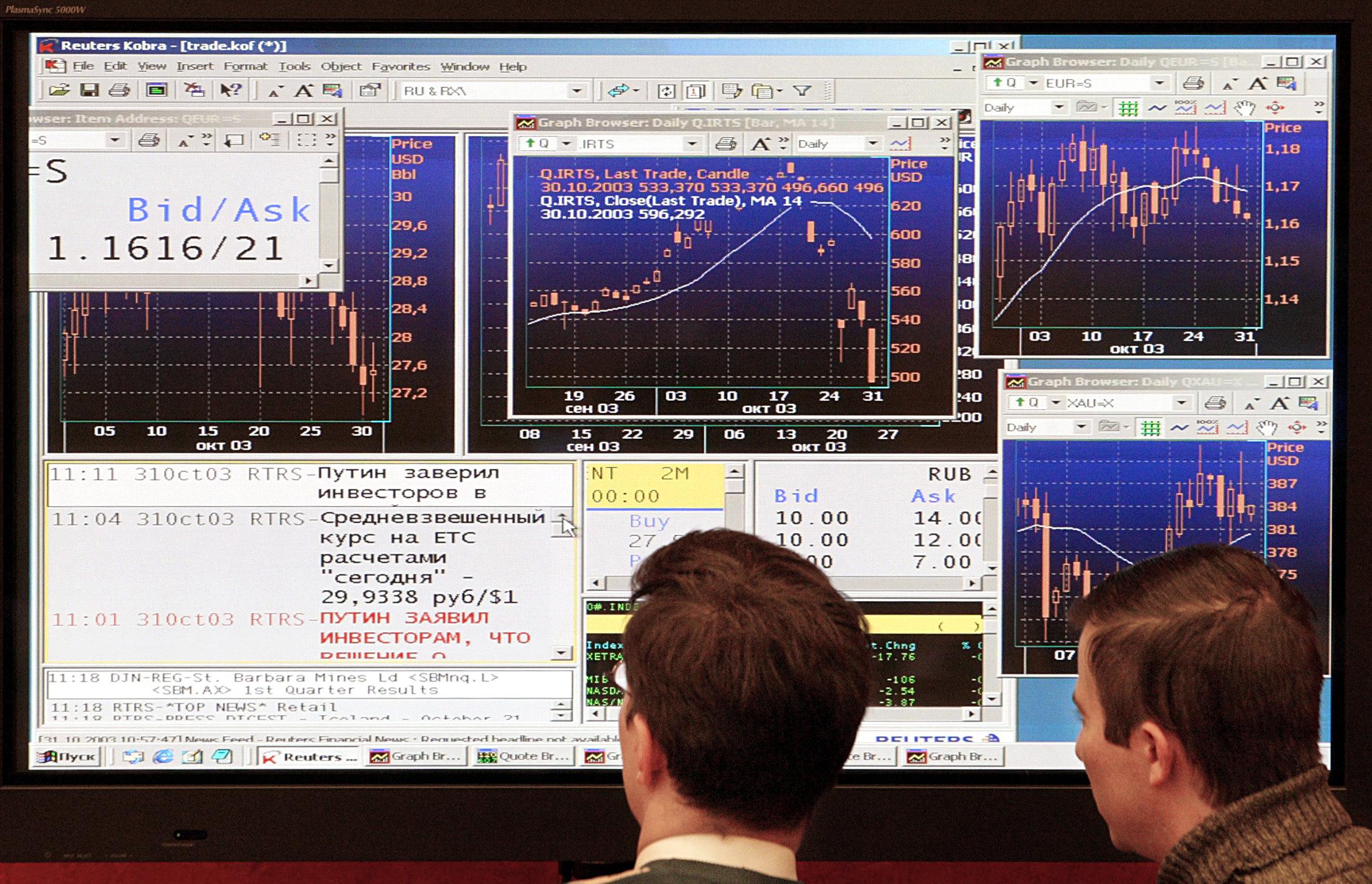
However, it was not just the central bank that deposited money in the Union, but also Russian financial brokers: those who dealt directly with retail customers. Traders on the Moscow Exchange relied on the intermediary, the National Settlement Depository (NSD), a subsidiary of the exchange that enabled Russian citizens to purchase securities from around the world. NSD relied on Euroclear and Clearstream to make purchases and deposit money.
After the start of the war in Ukraine, the Russian central bank prohibited brokers from selling securities on behalf of foreign clients. In response, Euroclear and Clearstream severed relations with the NSD, effectively freezing Russian money. It was only later that the European Union legalized this interruption through the sixth sanctions package. The European Union also imposed sanctions on the Russian broker.
The collateral victims
This is, therefore, where the collateral victims of sanctions come from. Russian investors were prevented from demanding the return of the money they had invested in US stocks or German government bonds. There is no precise assessment of how many are affected. Moscow’s Finance Minister, Anton Siluanov, spoke of 3.5 million, while central bank representatives estimate around 5 million. However, we do know the average deposit is around EUR 2,400, a seemingly low figure but equivalent to two months’ average Russian wages. It should be remembered that the vast majority of these individuals are not under sanctions and would therefore be entitled to recover their money.
The impossible mechanism for getting money back
In fact, the European Union has arranged for this to happen, but the mechanism is long and expensive. In essence, a Russian citizen would first have to apply for a special license from the finance ministry of the country where the funds are blocked, in this case, Belgium or Luxembourg. Obtaining this document, however, is rather complex. According to Brussels Signal, last year, Belgium received 1,214 applications for a license to release funds, of which only 232 were approved.
To do so, it is also necessary to incur substantial legal costs. According to Nemtsova: “One investor who managed to obtain the release of his funds from both Euroclear and Clearstream claimed that the process cost him 60,000 euros.” An exorbitant amount for most, considering that the average deposit is 2,400 euros. Once the procedure is complete, the securities must be diverted to non-sanctioned accounts. However, this is almost impossible for Russian citizens as they cannot open a European bank account without a residence permit.
This obstacle makes the process virtually impossible, as its structure allows only dual citizens to recover these securities. According to Belgian sources, around 200 Russian citizens who were denied the right to reclaim their money have filed a lawsuit against the Treasury.
EU leaders are meeting, with how to unlock €140 billion in frozen Russian assets one of the key topics.
Belgium has a number of concerns, with most of the money held at Brussels-based Euroclear.
Arriving for today’s summit, Belgian Prime Minister Bart De Wever had this to say: pic.twitter.com/O16oM48hQr
— DW Europe (@dw_europe) October 23, 2025
De Wever’s Concern
With these concerns in mind, Belgium’s Prime Minister Bart De Wever took his seat at the European Council negotiating table. His caution in giving the green light to the use of these assets is tied to the potential legal repercussions for Brussels. The slight opening to using these funds that emerged during the October 23 meeting creates new scenarios for the future, with the assets not only frozen but potentially available to be transferred to Kyiv’s coffers.
New developments are now awaited on the mechanisms the European Commission will propose for the use of the assets. The question is whether the EU executive will also take into account the wallets of small Russian investors.
English version by the Translation Service of Withub


![[credits: Dietmar Rabich / Wikimedia Commons / “Münster, Stadtweinhaus, Beflaggung Ukraine und EU -- 2022 -- 0219” / CC BY-SA 4.0]](https://www.eunews.it/wp-content/uploads/2026/03/ue-ucraina-120x86.jpg)