
from the correspondent in Strasbourg –
Officially, all that is “only” awaited is for the European Commission to honour the commitments made in March and to put the automotive action plan into practice.
This means that the European Parliament is not willing to compromise on individual measures to accommodate not only the automotive industry but also political groups ready to take up arms in the absence of flexibility. However, the wait is there to see to what extent the change of course can take place.
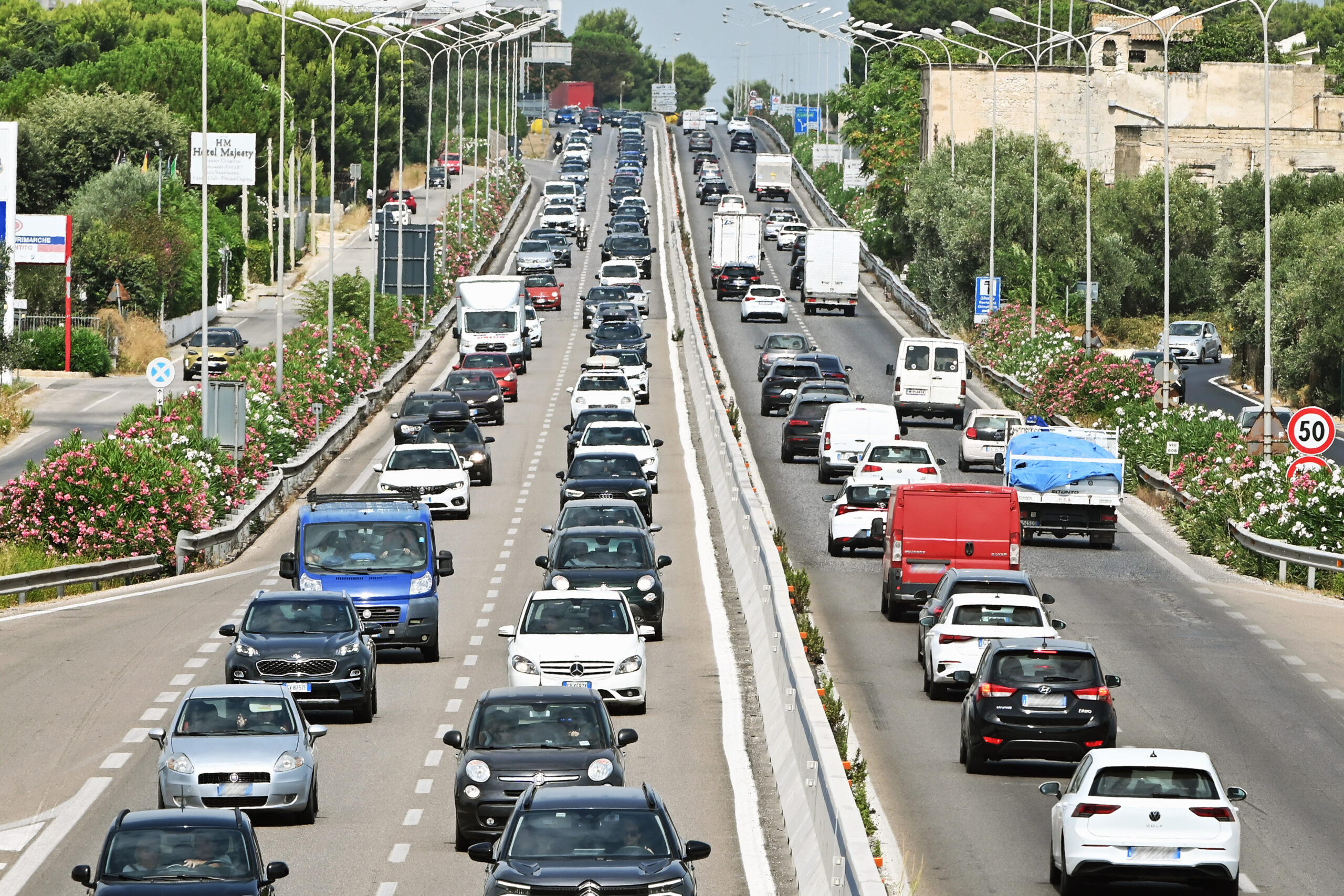
The European Parliament is awaiting the proposal for new measures for the automotive sector, one of the main elements of which is the revision of the CO2 emission standards regulation. Originally expected for 2026, this has been brought forward and is expected tomorrow (16 December). This is where a large part of the sustainability commitments are at stake: it has to be understood whether the EU executive intends to backtrack on the stop to endo-thermal engines by 2035, or whether to maintain the stop to conventional engines in exchange for an opening to biofuels, currently not allowed but on which there’s the EU Commission President Ursula von der Leyen’s all new availability. This could be the key to getting everyone to agree, starting with the EPP, von der Leyen’s People’s Party, which has put the German under siege on the car issue for a year now.
https://www.eunews.it/en/2025/03/03/von-der-leyen-extends-hand-to-the-auto-industry/
“The college must first approve the measures, then the presentation will take place directly in plenary,” explains Delphine Colard, head of the European Parliament’s spokesperson service. “The Parliament expects a possible review on emissions,” she admits without going into the hottest issues. She acknowledges, however, that what all groups expect is “support for battery production” and “stimulus for demand” for low- and zero-emission cars, especially company cars.
In the background is the possibility that the EU executive may eventually reconsider the timetable for banning conventional diesel and petrol engines, and allow their production even beyond 2035. This would be a resounding step backwards in the twelve-star strategy on road transport and the car industry, even if it is viewed favourably by a certain section of the House (EPP, ECR, PfE). Parliament is waiting. After all, it is only a matter of hours, then we will know how far the EU remains on the road to sustainability on wheels.
English version by the Translation Service of Withub


![Da sinistra: il presidente del Consiglio europeo, Antonio Costa; il presidente dell'Ucraina, Volodymir Zelensky: la presidente della Commissione europea, Ursula von der Leyen [Bruxelles, 18 giugno 2024. Foto: European Council]](https://www.eunews.it/wp-content/uploads/2026/06/euco_ua260618-120x86.jpg)
![[foto: Saverio De Giglio/imagoeconomica]](https://www.eunews.it/wp-content/uploads/2026/10/cpt-120x86.png)