
Brussels – The European Commission established today (26 January) a task force to strengthen the European Union’s capacity to control products imported into the single market and ensure that they comply with EU standards. It will focus in particular on food and feed safety, pesticide residues, and coordinated EU monitoring actions on specific imported products.
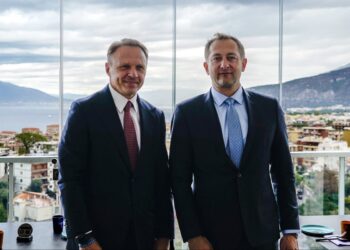
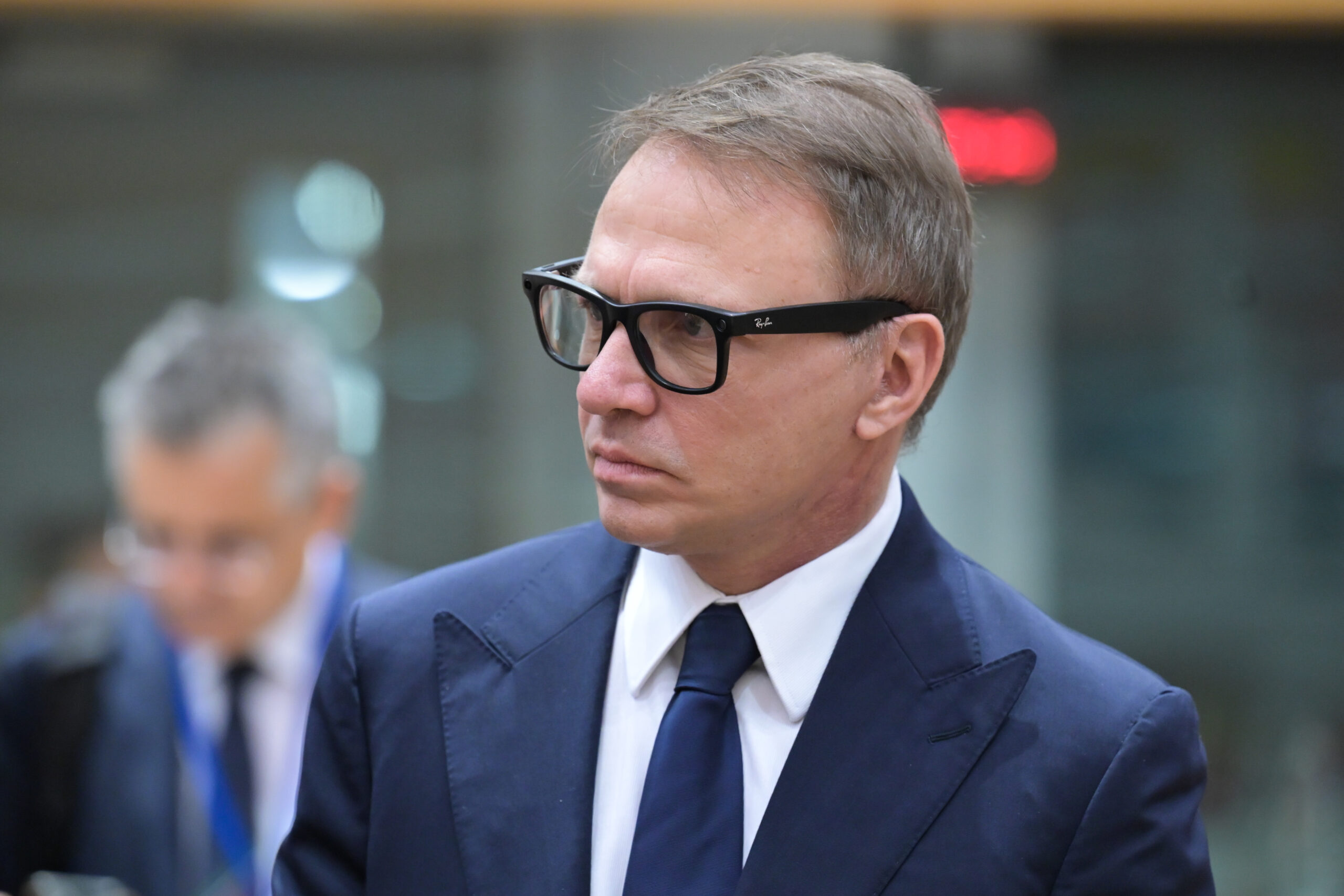
“The planned task force is intended to ensure that all parties fulfill their responsibilities, including national governments, which are tasked with conducting checks at points of entry,” said the Minister for Agriculture, Food Sovereignty and Forestry, Francesco Lollobrigida, on the sidelines of the EU Agriculture and Fisheries Council. Lollobrigida stressed that Italy is calling for “sufficient spot checks,” but that the problem “is not one of numbers, but of effectiveness” because “nothing should enter Europe that does not meet the standards imposed on European farmers, breeders, and fishermen”. This is because “they are often forced to compete with products that are cheaper not because the upstream company is more efficient, but simply because they do not comply with the rules that we ourselves have set.” The aim is “to stop what should not enter” and this principle “is the basis of the reciprocity that we have referred to in all trade agreements, certainly the Mercosur,” he noted.
This was also highlighted by the European Commission, which explained that “strict import rules with respect to food and feed hygiene, consumer safety and animal and plant health status aim at assuring that all imports fulfil the same high standards as products from the EU itself.” Furthermore, “EU rules apply to all products sold in the EU, whether produced domestically or imported,” the Commission pointed out, specifying that import controls are “crucial in verifying compliance of food and feed products with relevant requirements.”
The Commission specified that the task force brings together the expertise of the Commission and Member States and will contribute to “further harmonizing import controls across the EU”; to “developing recommendations for joint actions between the Commission and Member States”; and to “identifying where additional administrative or regulatory measures are needed to strengthen controls.” This is because “the central goal of the European Commission’s Food Safety policy is to ensure the highest levels of protection for human, animal and plant health by guaranteeing safe, nutritious food for EU consumers, as well as the highest standards for animal feed.”
It remains to be seen how much the task force will be able to reassure the agricultural sector about the trade agreement with Mercosur. In this context, Lollobrigida pointed out that “the possibility of provisional application” of the EU-Mercosur agreement “has already been voted on,” and that “there will now be a second political step that will also analyze the parliamentary vote.” And, looking ahead to tomorrow’s stage, with the likely agreement with India, he said: “We always ask the Commission for guarantees. However, we will see what emerges and arises in the context of a treaty that is not yet known.” He concluded: “The approach has changed, there is greater attention. Now we will verify whether what we have been guaranteed will actually be implemented, and on this basis, we will also decide to initiate future agreements.”
English version by the Translation Service of Withub