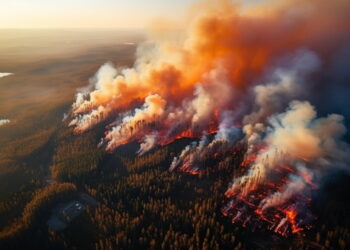
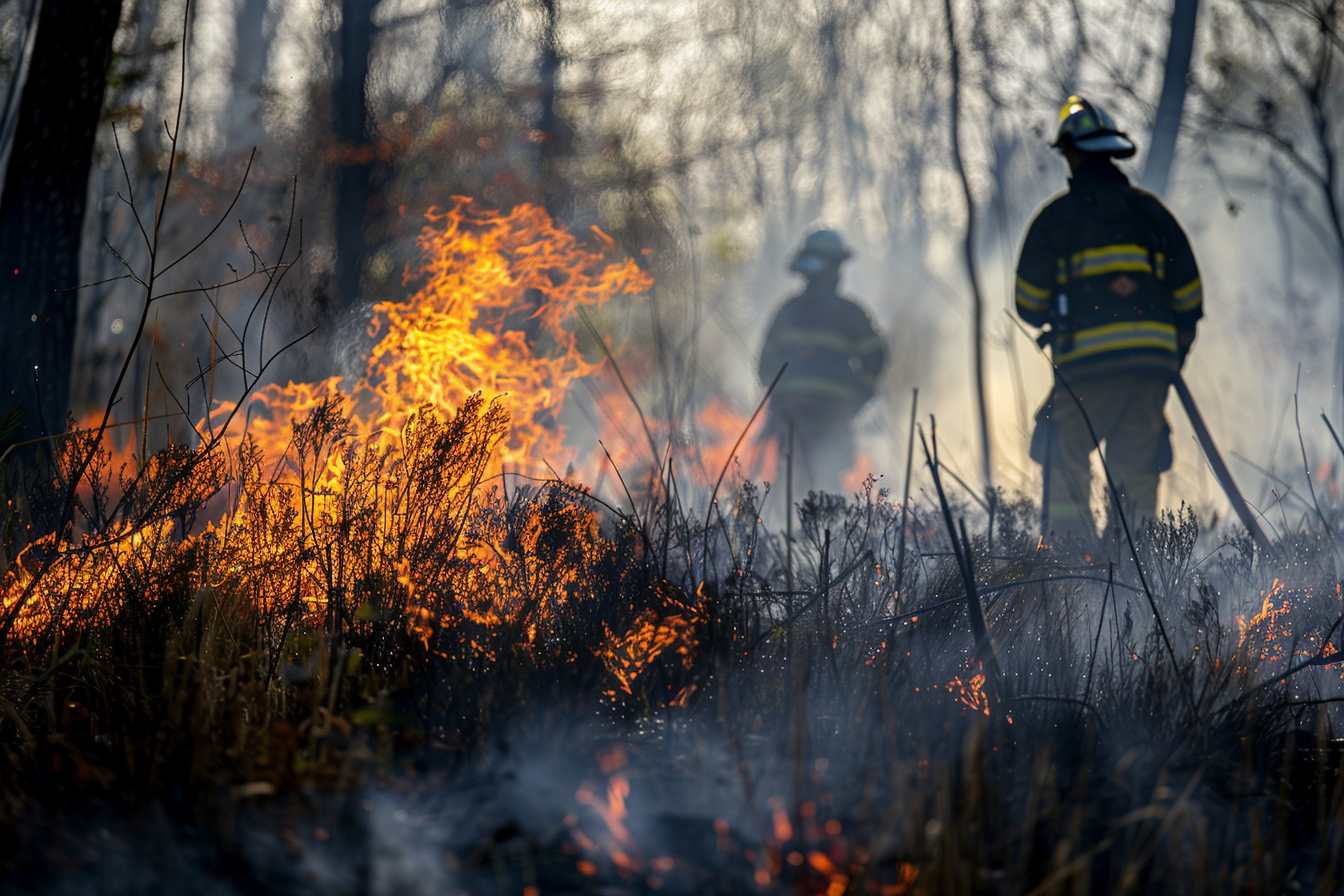

Brussels – Prevent, prepare, respond, and recover as effectively as possible from forest fires: with the end of the cold seasons, the European Commission is wasting no time and is calling on Member States to work towards a summer which, in the European Union, increasingly means wildfires. Thus, the College of Commissioners has adopted a communication for governments, setting out a strategy to prepare what will be needed, and which it hopes to use as little as possible. More preparation, more resources, more coordination: Brussels is working to establish a true command center for wildfires, a threat of today and tomorrow. “In 2025, Europe experienced its worst wildfire season since records began, with over one million hectares scorched,” the European Commission said, warning that “the size and intensity of wildfires is expected to worsen across the continent.”
Today’s initiative forms part of the broader emergency preparedness strategy, launched a year ago. The Commission is addressing Member States through a communication – a non-legislative act, yet one that sets a clear direction and aims for greater cooperation. It is no coincidence that the need to collect data and exchange information is emphasised, because prevention starts here, stresses Roxana Minzatu, Executive Vice-President for Preparedness and Social Rights: “Europe must be ready before the first fire starts.” This means “building a genuine culture of preparedness”, which involves “building a real culture of preparedness: equipping people with the right skills, supporting firefighters and first responders, and helping communities understand the risks they face.”
Data collection and awareness-raising
The Commission is proposing measures on two fronts: for public authorities and for the general public. Governments are being asked to collect data to better understand the situation and reduce the long-term health risks to which firefighters are exposed, linking these to hazardous conditions and toxic substances. Furthermore, it is promoting the exchange of best practices for post-fire nature restoration methods.
https://www.eunews.it/2023/08/07/meccanismo-di-protezione-civile-ue-2023/
The main focus of prevention efforts remains on engaging with civil society, as 96 per cent of wildfires are caused by human activity. For this reason, the national authorities of the Member States are invited to promote and disseminate best practices on awareness of the risk of forest fires and on community involvement, for example, through the EU Civil Protection Knowledge Network. Furthermore, there is a call to engage citizens through online discussions on emergency preparedness, organised on the dedicated platform, to discuss and address forest fire risks and emergency preparedness. And finally, there is a need to promote volunteering and exchange opportunities in emergency preparedness.
The Environment Commissioner, Jessika Roswall, explains why she is confident that governments will take action on these two fronts: because doing so means savings. The damage to property and infrastructure caused by fires is estimated at 2.5 billion euros, “which accumulates every year”, she points out. “By investing in prevention, in restoring nature, and in creating fire-resilient landscapes, we can avoid economic damage running into billions of euros”, she added.
Satellite support from Brussels
As part of its forest fire prevention strategy, the Commission will continue to develop the European Forest Fire Information System, supported by the Copernicus programme, to improve early warning and monitoring tools. In this context, Crisis Management Commissioner Hadja Lahbib explains that new functionalities will be developed for standardised risk modelling at a pan-European scale, aiming to identify best practices to reduce the risk of fires and increase landscape resilience. “The Commission also continues developing AI-assisted wildfire modelling tools to support decision-making,” she explains, before emphasising the importance of the actions taken and presented today (25 March): “By strengthening prevention, sharing resources, and investing in resilience, we are protecting lives, livelihoods, and the future of our continent.”
Moving forward with a fire-fighting fleet and a regional hub
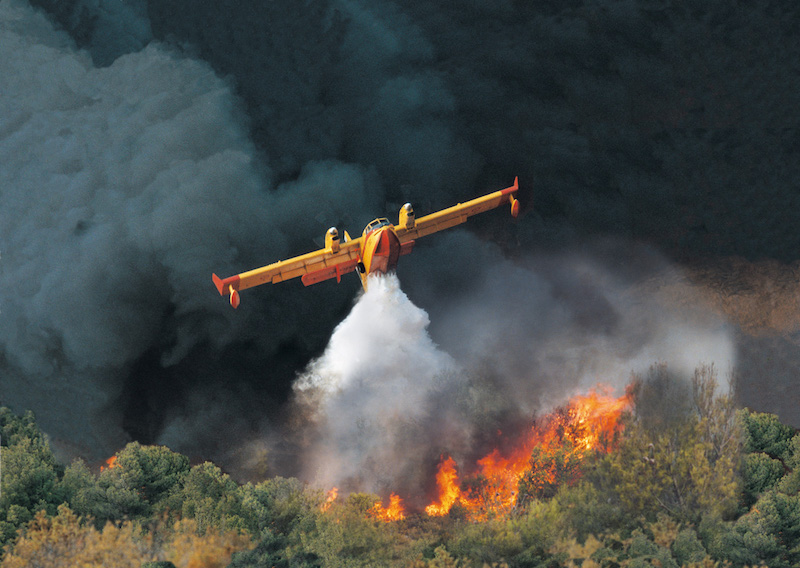
Prevention paves the way for action, and the European Commission is continuing its work to build its own fleet without relying on Member States. Therefore, the strategy highlights the need to expand and strengthen the European civil protection mechanism (RescEU), with the EU executive determined to purchase 12 firefighting aircraft and 5 helicopters. The aircraft will be hosted by six EU countries (Portugal, Spain, France, Italy, Croatia, and Greece), those most affected during the summer, while the helicopters will be hosted by three other countries (the Czech Republic, Slovakia, and Romania). The first helicopters will be operational as early as this year, whilst the first aircraft will be ready for action “by 2028”, although the hope remains that they will arrive in 2027.
The Commission is working to establish a European firefighting centre in Cyprus, which will serve as a regional hub for training, drills, and seasonal preparedness. It will have a dual role: operational, to respond to forest fire emergencies, and capacity building.
English version by the Translation Service of Withub