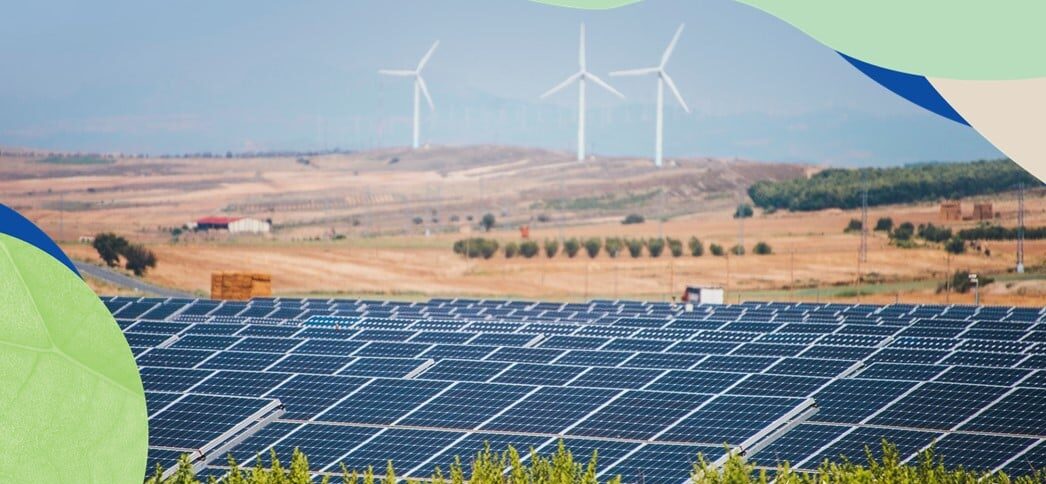
From our correspondent in Delphi – Renewables, nuclear power and, only in the absence of alternatives, fossil fuels. This is the order of priority for the energy sources the European Union should draw upon, according to the European Commissioner for Fisheries and Oceans, the Cypriot Costas Kadis. “We must remain focused on our path towards climate neutrality, which is the only sustainable way forward,” he stated in an exclusive interview with Eunews on the sidelines of the eleventh edition of the Delphi Economic Forum.
Against the backdrop of the current energy crisis, Kadis emphasised that the European Commission is, with regard to the markets, “exploring all possibilities, while naturally taking into account the EU’s strategic interests.” Ahead of the informal summit in Cyprus, the Commissioner said he was “optimistic” about the outcome of the discussions: “During the College of Commissioners meeting, we discussed energy issues and put forward proposals for short-, medium- and long-term measures needed to address both the consequences of the crisis in the Middle East and the structural challenges facing the energy sector.”
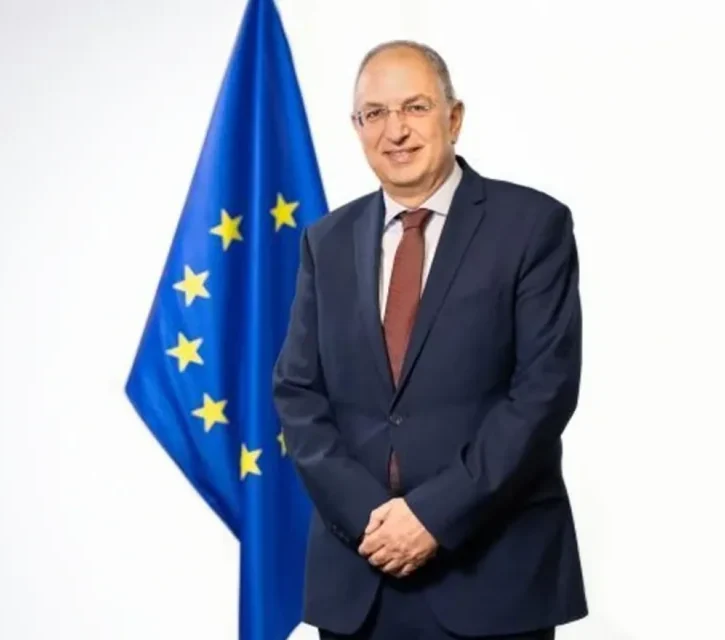
The solutions outlined in the AccelerateEU strategy include a greater coordination among Member States to ensure synchrony in the replenishment of gas stocks, flexibility in the rules, the release of oil stocks and the availability of fuels, and temporary, targeted measures to support vulnerable consumers and industries. These include selective subsidies, energy vouchers, social leasing, a reduction in excise duties on electricity and a new temporary framework for state aid. Added to this are the acceleration towards clean energy, the strengthening of electricity grids and an increase in investment through more effective use of European funds.
“With these proposals,” added Kadis, “I am confident that Member States will be able to make informed decisions, taking into account the work carried out by the Commission.”
Geopolitical tensions in the Middle East are also a cause for concern in the Commissioner’s areas of responsibility, particularly fisheries and the oceans. To address these challenges, the European Commission is working on a timeline for the energy transition in the fisheries and aquaculture sectors. The document, which forms part of the European Oceans Pact, will be presented “by the end of the year.”
With the Blue Economy Plan, announced at the United Nations Ocean Summit in 2025, Brussels had, for the first time, pledged its commitment to supporting the sustainable growth of coastal communities and the protection of marine ecosystems, with a funding allocation of one billion euros earmarked for ocean conservation, scientific research, and sustainable fishing. However, for Kadis, this is not enough.
“The new roadmap,” he explained, “will provide concrete guidance and practical measures for phasing out fossil fuels and avoiding future energy shocks like the current one.” In a European Union that remains heavily dependent on these sources, the objective remains clear: “to phase them out gradually, to ensure greater sustainability, stability, and predictability for all economic sectors.”
English version by the Translation Service of Withub



![Il ministro dei Trasporti, Matteo Salvini [Bruxelles, 5 dicembre 2024. Foto: Emanuele Bonini per Eunews]](https://www.eunews.it/wp-content/uploads/2024/12/salvini241205-120x86.jpeg)