- Europe, like you've never read before -
Thursday, 23 April 2026
No Result
View All Result
  • it ITA
  • en ENG
Eunews
  • Politics
  • World
  • Business
  • News
  • Defence
  • Health
  • Agrifood
  • Other sections
    • Culture
    • Diritti
    • Energy
    • Green Economy
    • Finance & Insurance
    • Industry & Markets
    • Media
    • Mobility & Logistics
    • Net & Tech
    • Sports
  • Newsletter
  • European 2024
    Eunews
    • Politics
    • World
    • Business
    • News
    • Defence
    • Health
    • Agrifood
    • Other sections
      • Culture
      • Diritti
      • Energy
      • Green Economy
      • Finance & Insurance
      • Industry & Markets
      • Media
      • Mobility & Logistics
      • Net & Tech
      • Sports
    No Result
    View All Result
    Eunews
    No Result
    View All Result

    Home » Energy » The EU’s energy mix is still dominated by fossil fuels: oil and gas account for almost 60 per cent

    The EU’s energy mix is still dominated by fossil fuels: oil and gas account for almost 60 per cent

    According to today’s report from the European Commission, renewables account for only 20 per cent of the EU’s energy needs, and dependence on imports remains high. All these factors explain the EU’s vulnerability in the face of ongoing geopolitical shocks

    Giorgio Dell'Omodarme by Giorgio Dell'Omodarme
    23 April 2026
    in Energy
    Il 6 e il 7 giugno si riunisce il Consiglio trasporti ed energia in Lussemburgo. La sicurezza energetica sarà uno dei temi più importanti in agenda

    Il 6 e il 7 giugno si riunisce il Consiglio trasporti ed energia in Lussemburgo. La sicurezza energetica sarà uno dei temi più importanti in agenda

    Brussels – The energy crisis triggered by the blockade of the Strait of Hormuz continues to take its toll on Europe, reigniting concerns among citizens and businesses about supply security. Just yesterday (22 April), the European Commission announced a package of measures aimed at “providing immediate relief” in the face of rising gas and oil prices. But the issue goes far beyond mere emergency management and necessitates the development of strategies capable of reducing, in the long term, the Old Continent’s vulnerability to shocks of this kind. It is against this backdrop that the report published by the Directorate-General for Energy, Climate and Environment at the Berlaymont Building takes stock of the European Union’s energy security, highlighting the progress made and the main outstanding challenges. 

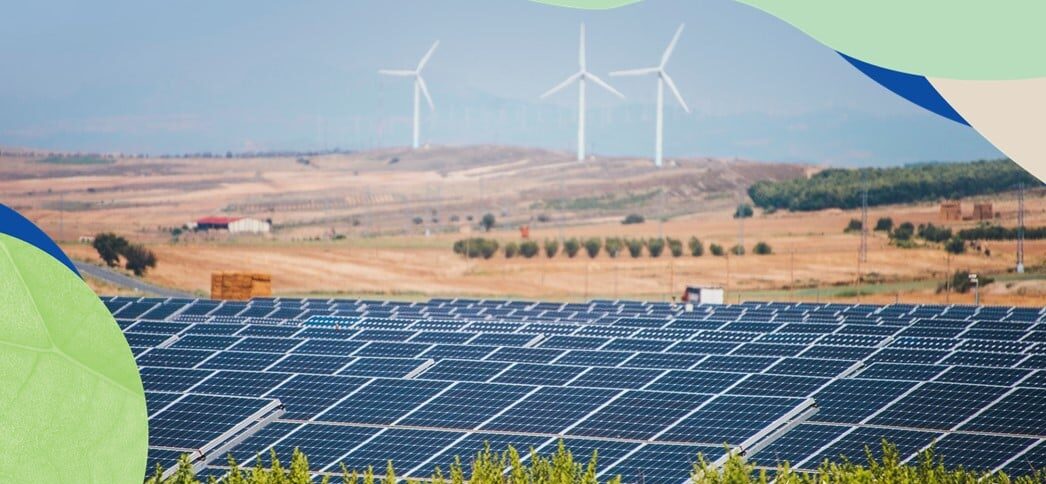
    The energy mix—that is, the combination of different energy sources used by the EU to meet its needs—is the first factor to consider when conducting this analysis. According to data from 2024—the most recent available—the EU continues to rely on fossil fuels for the majority of its energy production. In 2024, oil and its derivatives accounted for 38 per cent of the overall mix, while natural gas stood at around 21 per cent. Renewable energy sources ranked only third with 20 per cent, followed at some distance by nuclear (12 per cent) and solid fuels such as coal, wood and biomass (10 per cent). In that year, the EU produced 43 per cent of its energy and imported 57 per cent. Almost half of the energy produced in the EU in 2024 came from renewable sources (48 per cent). 

    In a crisis situation such as the current one, according to the report, increasing the share of renewables in Brussels’ energy mix remains essential. “Renewable energy is not only a cheaper and more sustainable alternative,” it is emphasised, “but it also strengthens our security by making us less dependent on imports of more expensive energy sources.” This is confirmed by the 2024 figures on the origin of energy sources used in Europe: while the EU has excellent capacity in renewable and nuclear energy production (accounting for 48 per cent and 28 per cent respectively of the Old Continent’s total domestic production), it faces far greater difficulties in the areas of natural gas (5 per cent) and oil (3 per cent). 

    The consequence of such an imbalance, as the report explains, is that “our energy imports are dominated by fossil fuels,” with oil and natural gas accounting for 67 per cent and 24 per cent respectively of the total energy sources purchased from third countries in 2024. By contrast, the shares of solid fuels (4 per cent), electricity (3 per cent) and renewable energy (2 per cent) were significantly lower. 

    In light of these figures, according to DG Energy, the long-term objective must remain to continue along the path of the green transition to make Europe a “more electrified, cleaner and more resilient” continent in the face of new geopolitical shocks. At the same time, the EU has begun implementing a number of short-term strategies to address the fact that, as the report highlights, “gas and oil imports will continue to play a key role for some years to come.” These include diversifying the range of importing countries, increasing investment in liquefied natural gas (LNG) and raising gas and oil storage levels. 

    It was precisely this measure that proved its importance when the Middle East crisis erupted: “Of the 400 million barrels of oil released onto the market by member countries of the International Energy Agency on 11 March, approximately 20 per cent came from stocks accumulated by European countries,” the Commission emphasised in today’s report. As regards stockpiling, EU countries must maintain emergency stocks of crude oil or petroleum products equivalent to at least 90 days of net imports, while up to 35 per cent of the gas consumed in winter comes from stored reserves. 

    Finally, regarding efforts to reduce dependence on Russian resources, the report highlights that the share of Russian gas in the EU’s total gas imports has fallen sharply, from 45 per cent in 2021 to 12 per cent in 2025. In 2025, the EU imported 31 per cent of its gas from Norway, 26 per cent from the United States, 13 per cent from North Africa and 4 per cent each from Azerbaijan and Qatar. The share of LNG in total EU gas imports rose from 20 per cent in 2021 to 45 per cent in 2025.

    English version by the Translation Service of Withub
    Tags: crisi energeticaenergiaenergia Ue

    Related Posts

    Immagine: ec.europa.eu
    Energy

    Renewables, nuclear power and, only if necessary, fossil fuels: Kadis sets out the EU’s energy policy

    23 April 2026
    IMAGOECONOMICA VIA YOUTUBE
    Green Economy

    The EU’s plan to tackle the energy crisis sparks a political row in Brussels

    22 April 2026
    La vice presidente della Commissione europea per la Transizione, Teresa Ribera, e il commissario all'Energia, Dan Jorgensen, in conferenza stampa il 22 aprile 2026 per presentare l'AcceleratorEu. Fonte: EC - Audiovisual Service
    Energy

    Coordination, support, clean energy and a fuel‑price observatory: the EU’s measures against the energy crisis

    22 April 2026
    map visualization
    Ucraina Allargamento Ue

    Enlargement: EU leaders attempt to launch Ukraine’s accession process

    by Emanuele Bonini emanuelebonini
    23 April 2026

    The Presidents of the European Commission and the European Council would like to open the first chapters of negotiations on...

    Il ministro dell'Economia, Giancarlo Giorgetti (destra), con il commissario per l'Econonia, Valdis Dombrovskis [Bruxelles, 9 marzo 2026. Foto: European Council]

    Public Finance Document, Giorgetti: Budgetary margins have narrowed. Meloni: The accounts are in order

    by Dario Borriello
    23 April 2026

    Meloni: "We need to see what the rules are and then, over the coming weeks, decide how to proceed at...

    Interni della biblioteca Braidense di Milano. Credits: Ermes Beltrami via Imagoeconomica

    Sales of e-books and audiobooks are on the rise in Europe

    by Iolanda Cuomo
    23 April 2026

    Brussels – In 2025, the number of people buying e-books and audiobooks in Europe has increased. According to Eurostat, last...

    Il 6 e il 7 giugno si riunisce il Consiglio trasporti ed energia in Lussemburgo. La sicurezza energetica sarà uno dei temi più importanti in agenda

    The EU’s energy mix is still dominated by fossil fuels: oil and gas account for almost 60 per cent

    by Giorgio Dell'Omodarme
    23 April 2026

    According to today’s report from the European Commission, renewables account for only 20 per cent of the EU’s energy needs,...

    • Director’s Point of View
    • Opinions
    • About us
    • Contacts
    • Privacy Policy
    • Cookie policy

    Eunews is a registered newspaper
    Press Register of the Court of Turin n° 27


    Copyright © 2025 - WITHUB S.p.a., Via Rubens 19 - 20148 Milan
    VAT number: 10067080969 - ROC registration number n.30628
    Fully paid-up share capital 50.000,00€


    No Result
    View All Result
    • it ITA
    • en ENG
    • Politics
    • Newsletter
    • World politics
    • Business
    • General News
    • Defence & Security
    • Health
    • Agrifood
    • Altre sezioni
      • Culture
      • Diritti
      • Energy
      • Green Economy
      • Gallery
      • Finance & Insurance
      • Industry & Markets
      • Media
      • Mobility & Logistics
      • Net & Tech
      • News
      • Opinions
      • Sports
    • Director’s Point of View
    • Draghi Report
    • Eunews Newsletter

    No Result
    View All Result
    • it ITA
    • en ENG
    • Politics
    • Newsletter
    • World politics
    • Business
    • General News
    • Defence & Security
    • Health
    • Agrifood
    • Altre sezioni
      • Culture
      • Diritti
      • Energy
      • Green Economy
      • Gallery
      • Finance & Insurance
      • Industry & Markets
      • Media
      • Mobility & Logistics
      • Net & Tech
      • News
      • Opinions
      • Sports
    • Director’s Point of View
    • Draghi Report
    • Eunews Newsletter

    Attention