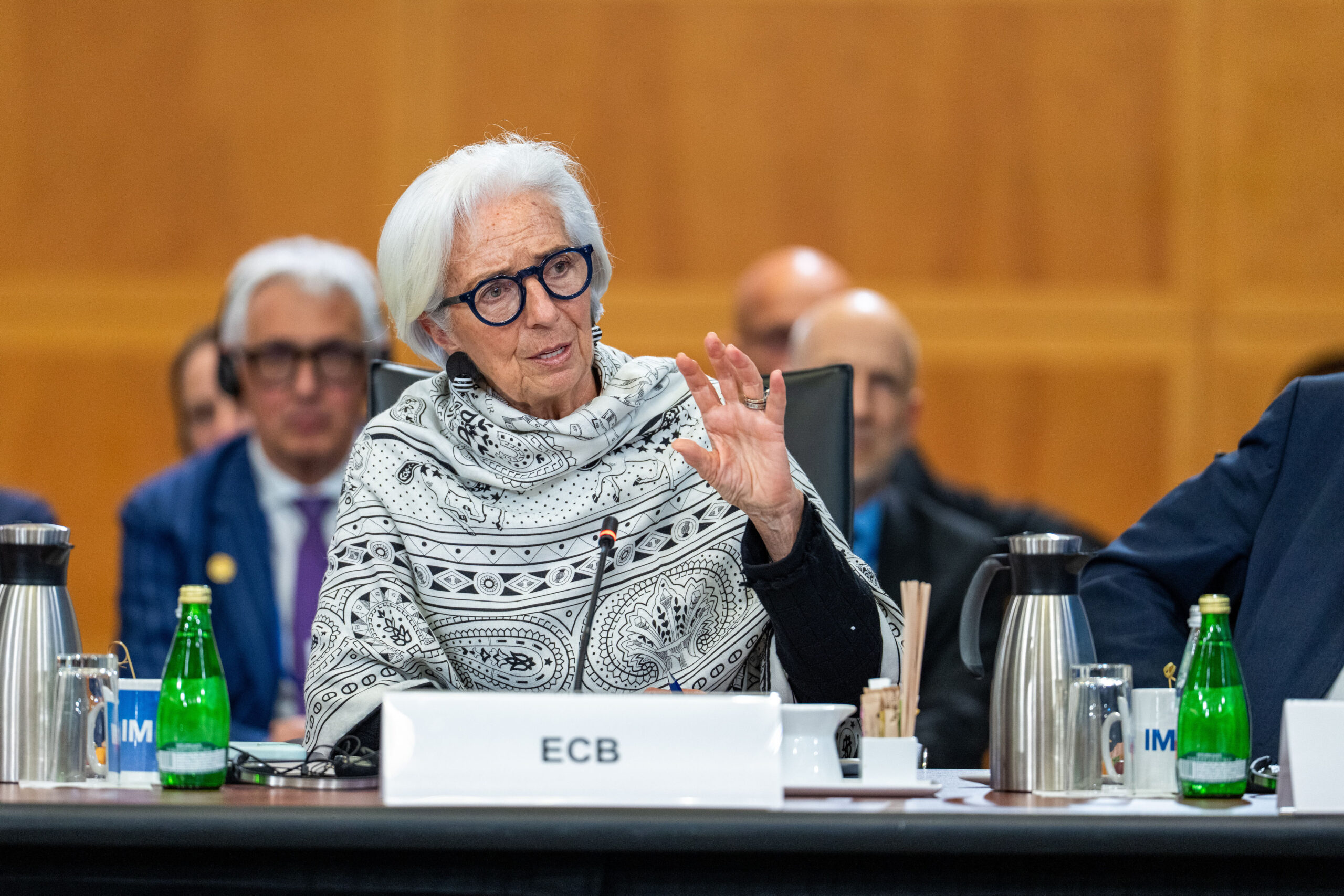
Brussels – “Alternative energy sources offer the clearest path to minimising trade-offs between European energy policy objectives in terms of security, sustainability, and affordability.” This was stated by Christine Lagarde, President of the European Central Bank (ECB), in her introductory speech at the “Climate, Nature and Monetary Policy” conference being held today (5 May) in Frankfurt am Main.
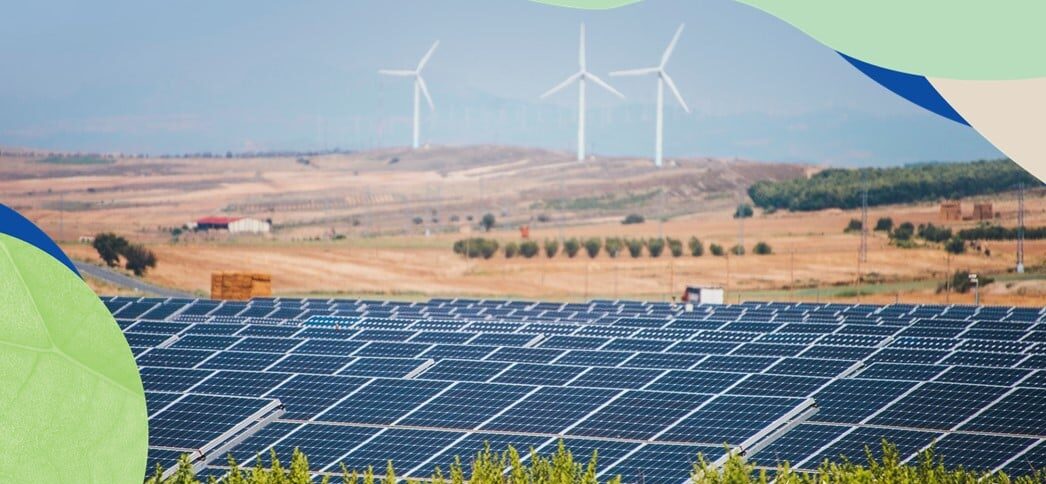
The ECB’s analysis of the current energy shock shows that countries where a larger share of electricity is generated from non-fossil fuel sources, such as Spain and Portugal, “have been better protected from rising gas prices,” Lagarde emphasised. The President of the Central Bank also highlighted the scale of climate and environmental risks, as well as the inadequate response from governments and society. “
The past decade has thrown up a troubling paradox: every new data point tells us to accelerate the green transition—and yet it is losing pace,” she observed.
The President of the Eurotower pointed out that this has been the warmest decade on record and that the rate of sea-level rise has doubled since satellite measurements began, while scientists believe it is likely that the world will exceed the 1.5-degree limit set by the Paris Agreement within the next five years. ”
But sharper awareness has not been matched by sharper resolve. The green transition has, if anything, lost momentum
,” said Lagarde.
Last year, global carbon emissions from fossil fuels hit a record high, rising by 0.7 per cent, and, according to Lagarde, although governments once showed a united resolve in Paris, we now see backtracking in certain jurisdictions. According to the president, “part of the reason is that climate change has itself become a partisan issue. In recent years, we have even seen debates in Europe about whether the green transition has made the continent more vulnerable in today’s geopolitically volatile world by increasing energy bills.”
Europe imports around 60 per cent of its energy, “almost all of which comes from fossil fuels,” and “today’s surging energy prices remind us of the cost of this dependence. The status quo is clearly unsustainable.” Therefore, for the ECB President, it is at times like these, when the climate debate becomes more heated and less clear-headed, that “rigorous work on climate and nature risks by the research and central banking communities matters most.”
English version by the Translation Service of Withub