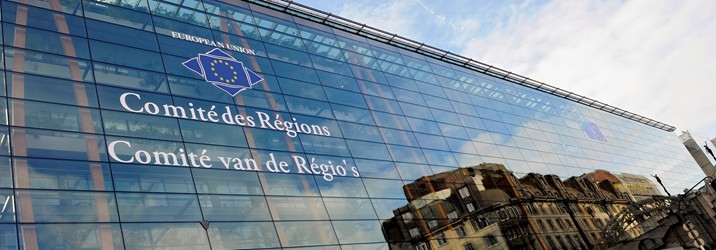

Brussels – The European Union’s new long-term budget must be improved, must provide for more funding and, above all, must not become a tool for centralisation that excludes local authorities. This is the message that emerged from the plenary debate of the European Committee of the Regions (CoR).
The EU’s consultative body—comprising local and regional representatives who give cities and regions a voice in the European decision-making process through opinions that are mandatory but not binding—has sent a signal to the Commission by unanimously adopting an opinion on the reform of the “performance framework” for the post-2027 budget.
The CoR calls for the inclusion, across all expenditure headings in the next Multiannual Financial Framework, of a new guiding principle: “Do no harm to cohesion.” This should act as a safeguard across all EU policies, ensuring that new spending strategies, including funds for competitiveness and Horizon Europe, do not come at the expense of social and territorial balance.
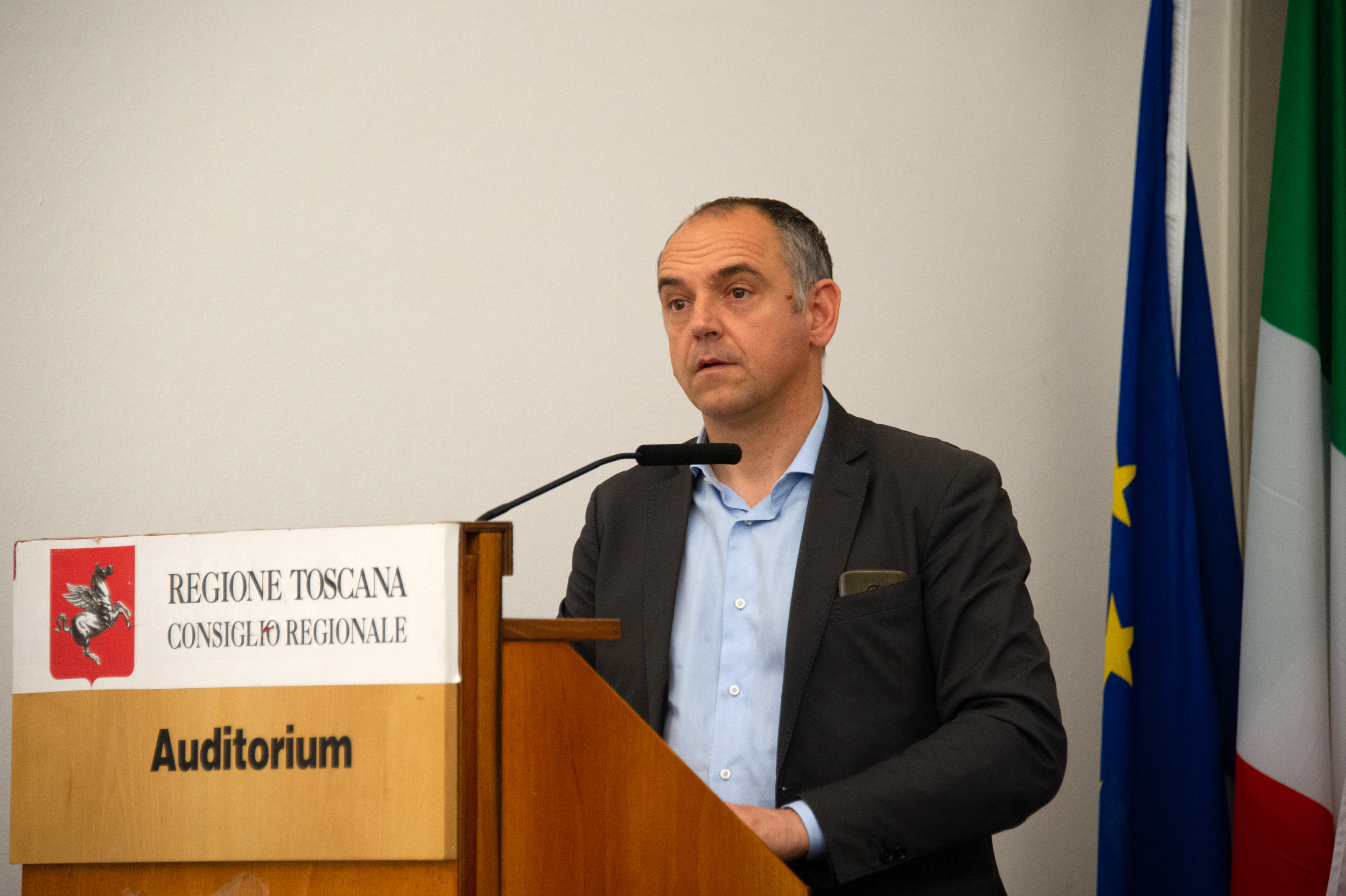
The controversial proposal by the Commission to merge funds for cohesion and agriculture into a single budget line has been commented on by the draftsman of the opinion, Luca Menesini, chair of the Group of European Socialists at the CoR and provincial councilor in Lucca: “What we are asking for is more funding: that it be made clear what goes to agricultural policy, what goes to fisheries, and what goes to Cohesion Policy”.
Another point of heated contention concerns governance. The rapporteur expressed serious concern about the direction taken by the Berlaymont: the new system proposed by the European Commission aims to replace expense reimbursement with the achievement of quantitative targets. “When you measure poorly, you invest worse,” warns Menesini, “we saw this with the Recovery and Resilience Plans, where the pressure to meet targets pushed many authorities to choose the easiest projects rather than the most useful ones. Simplification is fine, but simplification must not become synonymous with superficiality.” The Commission’s current proposal provides, in fact, for the management of resources through National and Regional Partnership Plans (NRPP), managed centrally by Member States using a performance-based model: already adopted for the post-pandemic Next Generation EU plan, this system stipulates that funds are disbursed by the European Commission only if defined targets are met.
Menesini warns of a danger of centralisation: negotiations, which historically took place between Europe and the regions, would become a process between the state and the regions: “The risk is that decisions taken at the national level will harm the regions.” According to Menesini, the focus must be on the “centrality of the regions: giving them a voice and, above all, implementing policies that respond to their needs.”
In this regard, he focuses on his own region. According to the speaker, the new budgetary model risks resulting in “significant cuts” to funding for nurseries, employment policies, and agricultural businesses: “Mountainous and inland areas of Tuscany, such as Garfagnana, Amiata, Mugello, and Casentino, are experiencing depopulation, a demographic crisis, and a significant demographic decline. If we want to bring people back and retain the population we have, we must implement targeted policies. We must ensure the right and freedom to stay.”
The CoR is therefore calling for the involvement of local authorities to be made mandatory and for a “subsidiarity clause” to be introduced: regions must have the right to ask the Commission to reject national plans deemed excessively centralised. “For us, this is a step towards building a Europe of the people,” concludes the rapporteur.
English version by the Translation Service of Withub
![[Foto: EC - Audiovisual Service]](https://www.eunews.it/wp-content/uploads/2026/05/P-069676_00-04_01-ORIGINAL-421533-350x250.jpg)


![[credits: Dietmar Rabich / Wikimedia Commons / “Münster, Stadtweinhaus, Beflaggung Ukraine und EU -- 2022 -- 0219” / CC BY-SA 4.0]](https://www.eunews.it/wp-content/uploads/2026/03/ue-ucraina-120x86.jpg)