Brussels – A leaner EU budget for the 2028–2034 seven-year period. This is the substance of the proposal put forward today (11 June) by the Cypriot Presidency of the Council of the EU. The document—known as the Negotiating Box, the result of consultations with all EU capitals and which will serve as the basis for discussions and negotiations among the 27 Member States—provides for an overall reduction of 2 per cent, amounting to €32.8 billion, bringing the total amount from €1,763 billion at 2025 prices to €1,730.2 billion (at current prices, this falls from €1,984 billion to €1,947 billion). The figure is 1.23 per cent of GNI, the EU’s Gross National Income, which falls to 1.13 per cent if the part of the budget dedicated to the repayment of Next Generation EU is excluded.
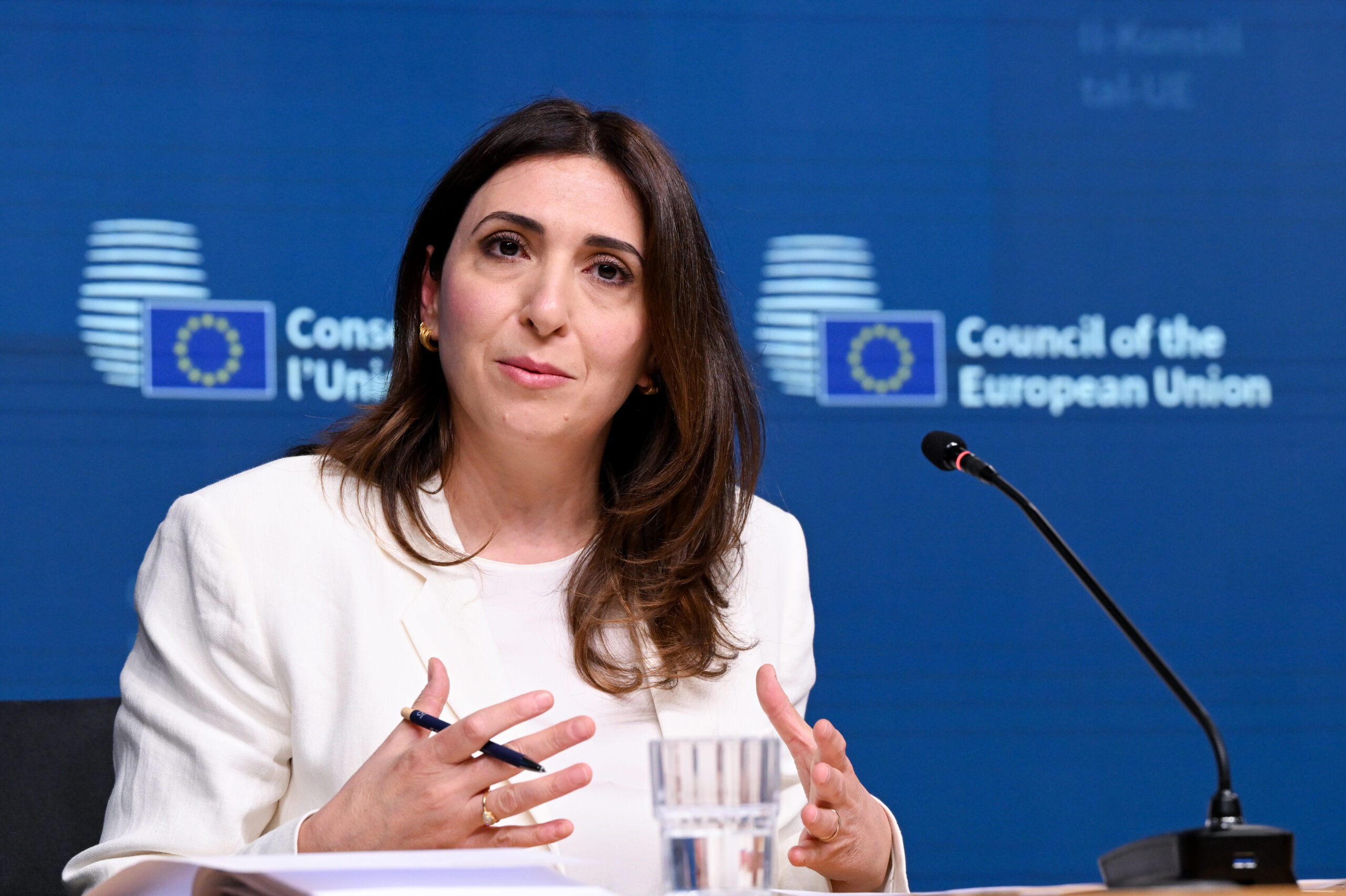
On the next European budget, “we are proposing a moderate cut of 2 per cent,” explained Marilena Raouna, Cyprus’s Deputy Minister for European Affairs. “Our cut represents a compromise that takes into account the needs of all members of the Council. We have listened closely to those calling for a more ambitious budget and, at the same time, to those calling for significant cuts. As a compromise, the presidency has applied a non-uniform cut across expenditure items. This does not mean that everyone is happy. It is a compromise, but a balanced one,” she argued.
The cuts therefore vary from one budget heading to another, although few emerge unscathed. For example, the heading covering cohesion, agriculture, rural development and maritime prosperity has seen only a minor change. At current prices, it falls from €1.062 billion to €1.057 billion. Within this framework, income support under the Common Agricultural Policy (CAP) remains at €293.6 billion at current prices (although it increases from the € 259 billion proposed by the Commission to €261 billion proposed by the Cypriot Presidency at 2025 prices). The allocation for Fisheries rises from 2 to 4 billion. Cohesion and Rural Development, at current prices, rise from almost 452.9 to 458.7 billion. There are no changes in the chapters concerning migration and border management, which remain at 34.2 billion at current prices. There is no change between the Commission’s proposal and the document presented by the Cypriot Presidency regarding the resources allocated to NextGenerationEU payments either: 149.2 billion over seven years at 2025 prices, 168 billion at current prices. The gap was more significant, however, in the competitiveness and security chapter, as the total moves from the Commission’s proposal of 589.5 billion to 566.5 billion under the EU Council Presidency (again at current prices). More specifically, the Competitiveness Fund has been reduced from €450.5 billion to €433.8 billion. Global Europe, the main instrument for external cooperation and development cooperation with candidate countries, third countries, and neighbouring countries, has also been scaled back, falling from 215.2 billion to 206.7 billion at current prices.
Negotiations will now begin between the national capitals and, subsequently, with the European Parliament. The European Parliament has called for a more ambitious budget than that put forward by the Commission, amounting to €1,995.9 billion at current prices, or €1,775.2 billion at 2025 prices. This results in a difference of around €48 billion compared to the Council’s proposal at current prices and around €45 billion at constant 2025 prices.
English version by the Translation Service of Withub