
Brussels – NATO announced today (12 June) that it will gradually reduce its presence in the Kosovo Force (KFOR) mission in Kosovo over the coming year. The decision, according to the Atlantic Alliance’s statement, follows an assessment that “the security situation in Kosovo has continued to improve over the last years” and “is now stable.” Therefore, “NATO will optimise KFOR’s posture and gradually adjust its current force levels over the coming year.”
The reduction will be neither immediate nor drastic. The North Atlantic Treaty Organisation stresses that it will retain its ability to intervene rapidly and that the process may be halted or reversed should the situation on the ground deteriorate.
The KFOR is the NATO-led military force that has been present in the small Balkan country since 1999, following the war between Serbian forces and the Kosovar-Albanian population and the Alliance’s subsequent military intervention. The mission operates under UN Security Council Resolution 1244 and is tasked with ensuring a safe environment and freedom of movement for all communities within the territory.
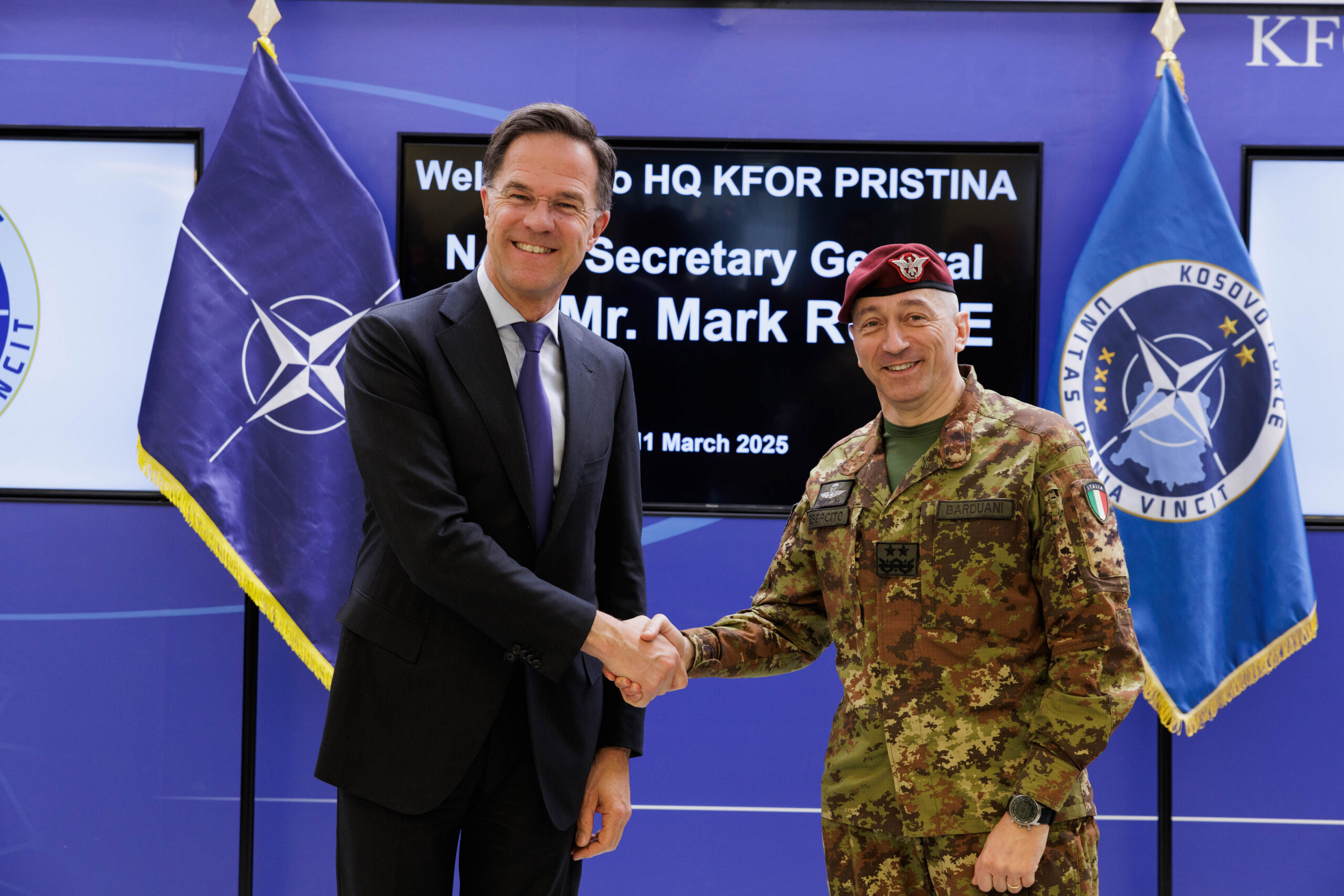
KFOR currently comprises 4,600 personnel from 31 different countries. Italy is one of the main contributors: not only does it have around 800 troops deployed – a figure even higher than the 700 troops sent by the United States – but it also commands the entire mission, with the Italian Army Major General Enrico Barduani at the helm.
As today’s statement explains, since its inception, “KFOR’s posture has continuously adjusted so that the mission remains fit for purpose and responds to the evolving security situation.” The last major reinforcement dates back to 2023, when tensions between Kosovo’s Albanian majority and the Serbian minority in the northern town of Zvečan led to clashes and incidents that also involved NATO troops. On that occasion, it was decided to deploy nearly 1,000 additional troops.
Today, however, it was decided to make a cut, but from the Belgian city of Mons – headquarters of the Supreme Headquarters Allied Powers Europe (SHAPE) – statements are emerging aimed at preventing the announcement from being interpreted as the start of a gradual withdrawal. The Supreme Allied Commander Europe, General Alexus G. Grynkewich, wished to emphasise that “NATO will not allow a security vacuum to emerge” in Kosovo, reiterating more generally the Alliance’s “strong commitment” to the Western Balkans.
“It is this commitment that has led to increased stability as the security organisations in Kosovo have become more capable,” Grynkewich said. This development has led to the current situation, which “provides an opportunity to optimise KFOR’s size and posture further (already in January of this year, the deployment of reserve forces in support of the mission had been suspended, ed.),” the General concluded.
English version by the Translation Service of Withub