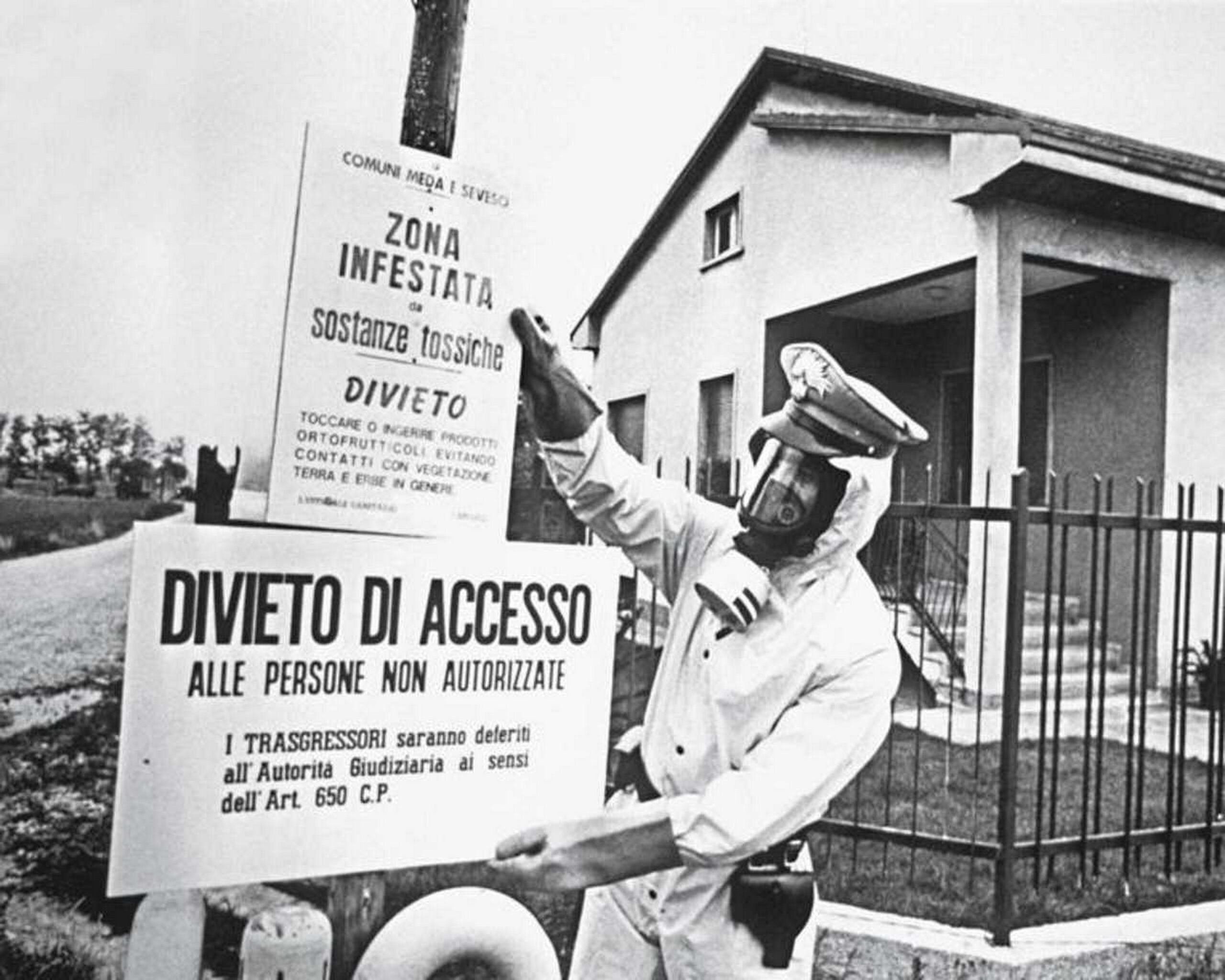
Brussels – 10 July 1976 marked a turning point in the history of labour in Europe and in European industrial safety. On that day, at the ICMESA chemical plant in Meda, in Brianza, one of the continent’s most serious environmental accidents occurred: an uncontrolled reaction caused the release of a cloud containing TCDD dioxin, an extremely toxic and persistent substance, which spread to the surrounding areas, affecting the municipality of Seveso in particular.
The plant, owned by the Swiss company ICMESA, a subsidiary first of Givaudan and later of Hoffmann-La Roche, produced trichlorophenol, a substance used in the manufacture of herbicides, fungicides, and bactericides. Increased production rates and inadequate management of procedures contributed to the accident, which led to the contamination of large areas of Brianza, the exposure of thousands of people and a lengthy environmental remediation process.
The severity of the incident had a significant impact on European public opinion and led, in 1982, to the adoption of Directive 82/501/EEC, known as the Seveso Directive, by the European Community to prevent major accidents linked to the presence of dangerous substances in industrial plants. “This groundbreaking legislation has led to a significant reduction in the risk of major accidents across the EU, minimising harm to people, property, and the environment, and has inspired similar laws and safety standards around the world,” comments the European Commission.
As specified by the EU Commission in a press release marking the anniversary of the disaster, “the EU keeps working on the prevention of industrial accidents,” and the Seveso Directive now forms the basis of the European framework for industrial safety, covering some 11,000 sites across the European Union, including chemical and petrochemical plants and refineries. Furthermore, companies must take measures to prevent major accidents and limit their consequences, while the authorities ensure inspections, monitoring, and public protection.
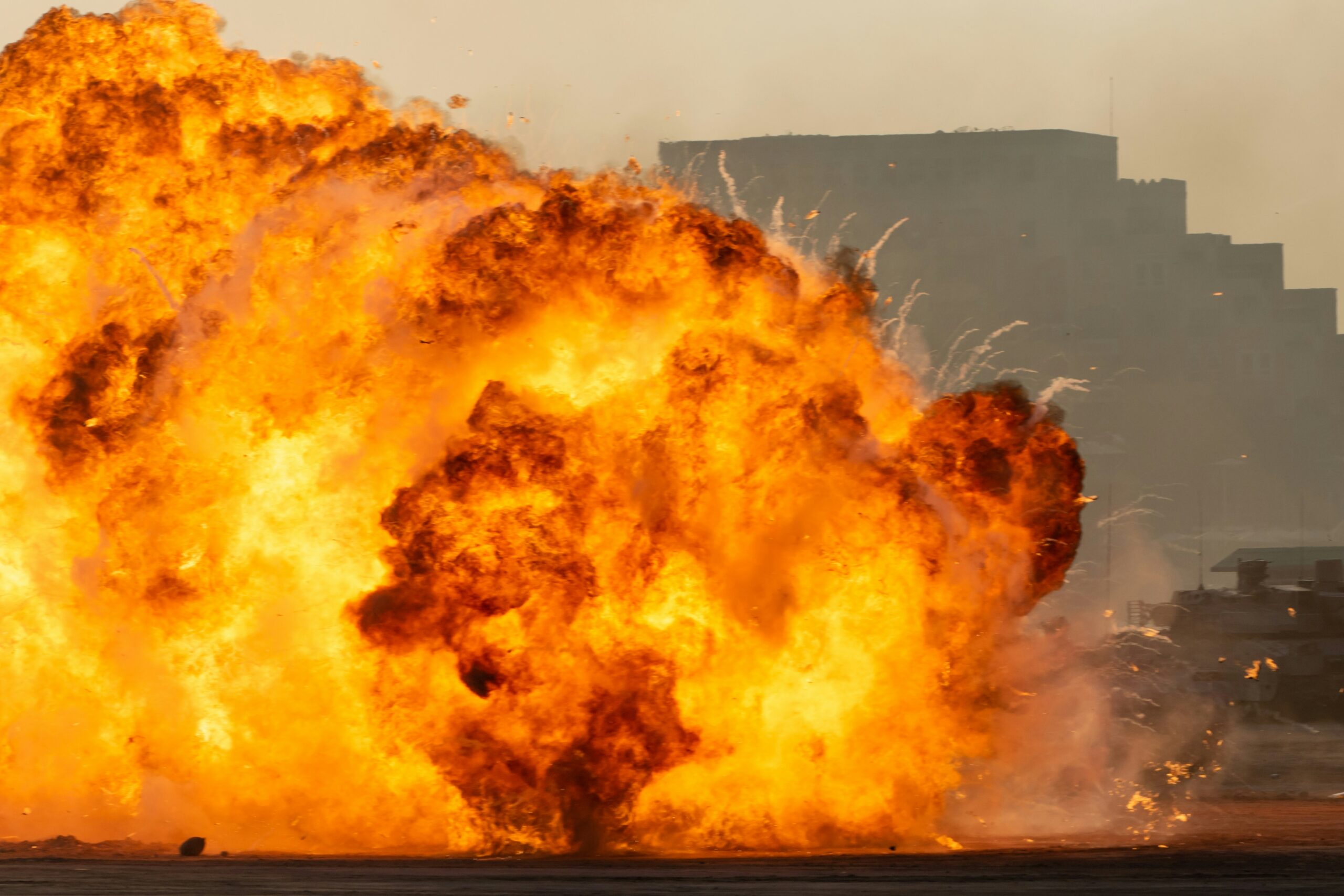
Despite the progress made, the risks have not disappeared. The European Commission highlights more recent incidents, such as the fire at the Lubrizol industrial site in Rouen, France, in 2019, and the explosion at the chemical plant in Leverkusen, Germany, in 2021, which demonstrate the need to remain vigilant and to constantly strengthen prevention and preparedness. “Fifty years after Seveso, the lesson remains clear: prevention saves lives”, observed Jessika Roswall, European Commissioner for the Environment, Water Resilience and a Competitive Circular Economy. Furthermore, “as climate risks intensify and new technologies transform our societies and economies, we must remain risk-aware, anticipate emerging threats, stay agile and strengthen our preparation”.
Seveso teaches us that protecting people, communities, and the environment means investing in prevention and in the ability to tackle new challenges, putting people before profit. Seveso gave its name to a European industrial safety law, but half a century on, it seems the lesson has still not been learnt.
English version by the Translation Service of Withub
![[Foto: Unsplash]](https://www.eunews.it/wp-content/uploads/2026/06/nrd-D6Tu_L3chLE-unsplash-350x250.jpg)