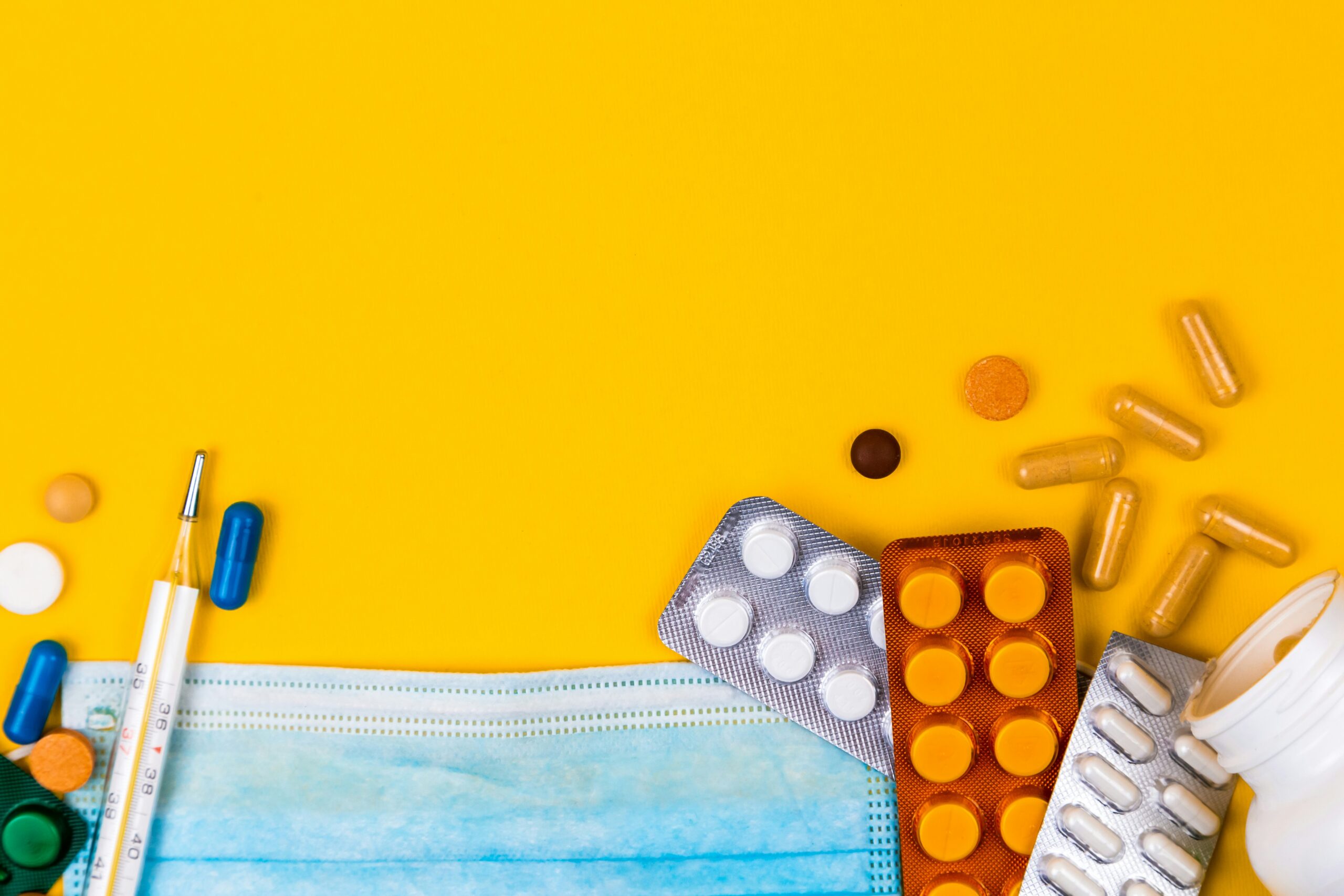
Brussels – “Global health is not immune to the fierce competition, coercive power politics, and information manipulation that influence international relations. The recent hantavirus outbreak, affecting citizens of multiple nationalities, reminds us why we need more international cooperation, not less,” said Kaja Kallas, High Representative for Foreign Affairs and Security Policy and Vice-President of the European Commission, at the Global Health Resilience Initiative, adopted today (13 May) by the European Commission. “While some pull back from multilateral organisations that protect global health, the EU is stepping up with more support,” Kallas added.
Jozef Síkela, the European Commissioner for International Partnerships, also touched on the latest developments regarding the hantavirus: “It reminded us all of our vulnerability when it comes to health. We all remember the impact of COVID-19 on our lives. The reality is that the frequency and intensity of disease outbreaks are increasing.” The Global Health Resilience Initiative, therefore, is Europe’s “answer to three hard truths: health threats do not respect borders, preparedness pays off, and dependence is truly dangerous,” Síkela said at a press conference.
Although global life expectancy has increased by more than five years, the infant mortality rate has halved, and maternal mortality has fallen by 40 per cent between 2000 and 2023, in recent years this progress has slowed and is insufficient to achieve the Global Sustainable Development Goals of the UN’s 2030 Agenda. The Initiative, explains the Commission, aims to make the European Union a key player in global health by strengthening prevention, preparedness, and response to future health threats worldwide. The plan sets out the operational framework for EU action to improve European responses.
The Initiative is structured around five sectors that the Commission considers to be priorities. First and foremost, the aim is to “promote a more effective and less fragmented global health architecture,” which is necessary “to address current challenges, including financing gaps”. Development aid for health, in fact, fell by 21 per cent between 2024 and 2025, from around 45.8 billion euros to 36.1 billion euros, with further declines expected until 2030. “The EU has already mobilised over €6 billion for health investments under the Neighbourhood, Development and International Cooperation Instrument – Global Europe instrument,” said Síkela. However, greater coordination is needed: “There are too many actors and too many overlapping mandates.”
Another pillar of the European strategy is to strive for resilient, country-led health systems. According to the Commission, “strong national health systems are the backbone of resilience: countries that can finance, manage and deliver their own essential health services are equipped to respond to crises, protect their populations and maintain continuity of care during shocks.” The EU, therefore, should support partner countries’ transition towards healthcare autonomy through concrete investments and the sharing of expertise.
Furthermore, the EU is committed to strengthening prevention, preparedness, and response at the international level to global health threats and crises. To this end, it will ensure ” greater availability of medical countermeasures—including therapeutics, vaccines, and diagnostics,” Síkela explained. The EU will support a global health monitoring system to map global health expenditure – objectives also include diversifying global supply chains and the production of key health products – and aims to accelerate “the deployment of EU investment instruments,” such as the Team Europe initiative on the production of and access to vaccines, medicines, and health technologies. Finally, the EU aims to “bolster societal resilience by fostering trust in science and countering health dis- and misinformation” on health matters.
English version by the Translation Service of Withub



![Il ministro dei Trasporti, Matteo Salvini [Bruxelles, 5 dicembre 2024. Foto: Emanuele Bonini per Eunews]](https://www.eunews.it/wp-content/uploads/2024/12/salvini241205-120x86.jpeg)