Brussels – The European Commission has allocated 2,3 milioni euros in humanitarian funding today (17 August) to support Nigeria, Cameroon, the Central African Republic and Chad in tackling the ongoing cholera outbreak. According to figures from the World Health Organisation, over 61,000 cases were recorded in the African region during the first five months of 2026. The European Commissioner for Equality, Crisis Preparedness and Management, Hadja Lahbib, stated that cholera is both “preventable and treatable. Yet it still threatens lives when people lack something as basic as safe water and healthcare.” The Commissioner therefore hopes that “this emergency funding will help our partners act quickly, contain the outbreaks and protect the communities most at risk.”
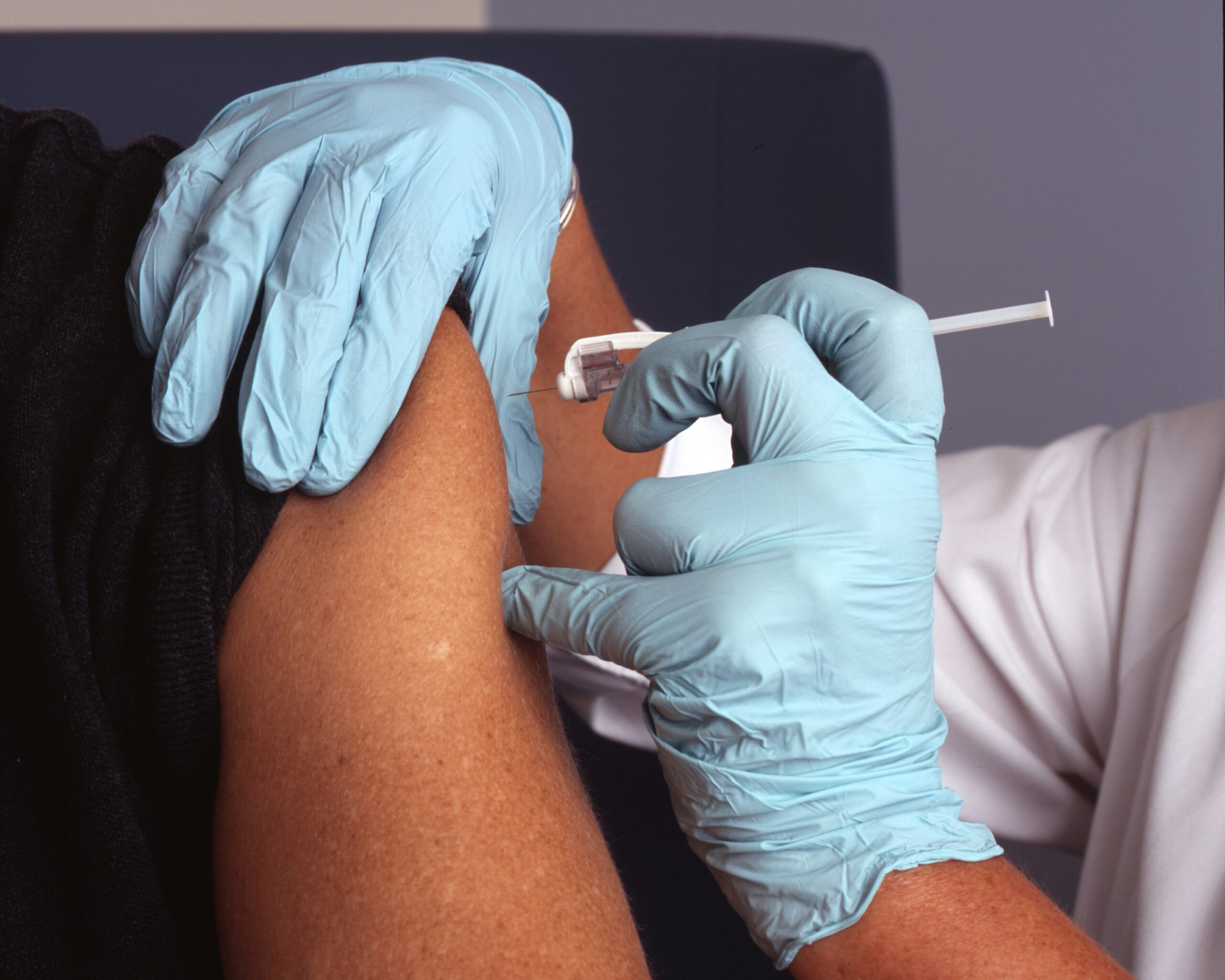
Different amounts have been allocated to the four countries. For Nigeria, 1.5 million euros has been allocated to increase the number of response teams, provide essential supplies such as specialised kits to combat the disease, and support interventions in the water and sanitation sector, including the treatment of public water supply points. The funds also aim to strengthen epidemiological surveillance in hard-to-reach areas and to strengthen case management, information exchange on disease risks, and community awareness-raising. Similarly, Cameroon will receive 100,000 euros to support the containment of the outbreak and case management, including the deployment of additional staff to support humanitarian partners on the ground, the provision of essential medicines, the establishment of additional cholera treatment units, and the provision of oral rehydration stations in the hardest-hit villages. These are treatments administered via mixtures of water, sugar and mineral salts to prevent dehydration. The Central African Republic has been allocated 500,000 euros, which, as in Nigeria and Cameroon, will be used to strengthen case management and vaccination, as well as interventions relating to water, sanitation and hygiene. Here, support will include strengthening risk communication and community engagement, enhancing surveillance and case detection, and supporting dignified and safe burials. Finally, Chad will receive 200,000 euros, which will once again be used to improve access to water, sanitation, and hygiene, and to provide community support for surveillance and case management.
Cholera is caused by the bacterium Vibrio cholerae, which is most commonly spread when people consume contaminated water. In severe cases, the rapid loss of body fluids can quickly lead to dehydration and shock. “At a time when humanitarian needs are growing, and resources are shrinking, Europe is not looking away,” Lahbib concluded.
English version by the Translation Service of Withub

![Da sinistra: il presidente del Consiglio europeo, Antonio Costa; il presidente dell'Ucraina, Volodymir Zelensky: la presidente della Commissione europea, Ursula von der Leyen [Bruxelles, 18 giugno 2024. Foto: European Council]](https://www.eunews.it/wp-content/uploads/2026/06/euco_ua260618-120x86.jpg)
![[foto: Saverio De Giglio/imagoeconomica]](https://www.eunews.it/wp-content/uploads/2026/10/cpt-120x86.png)