
Brussels – Russian drone attack on a passenger train travelling from Kyiv to Warsaw, which took place yesterday (13 September) two kilometres from the Polish border, is keeping tensions high for the European Union on its eastern frontier and beyond. The EU’s High Representative for Foreign Affairs, Kaja Kallas, described it as a “message to the Western world” and stated that “this is clearly meant
to scare Western countries from supporting Ukraine, from going to Ukraine to show support.” Speaking from Rovaniemi, Finland, where she is attending the Arctic Summit, the head of European diplomacy reflected on “what lesson” should be drawn from this message from Moscow. “In my view, we should do exactly the opposite: we must show that
we are there for Ukraine and we are not scared off,” she emphasised. Meanwhile, the European Commission has condemned the attack and, through its spokesperson Olof Gill, has reiterated that it takes “any threat along its eastern borders extremely seriously.”
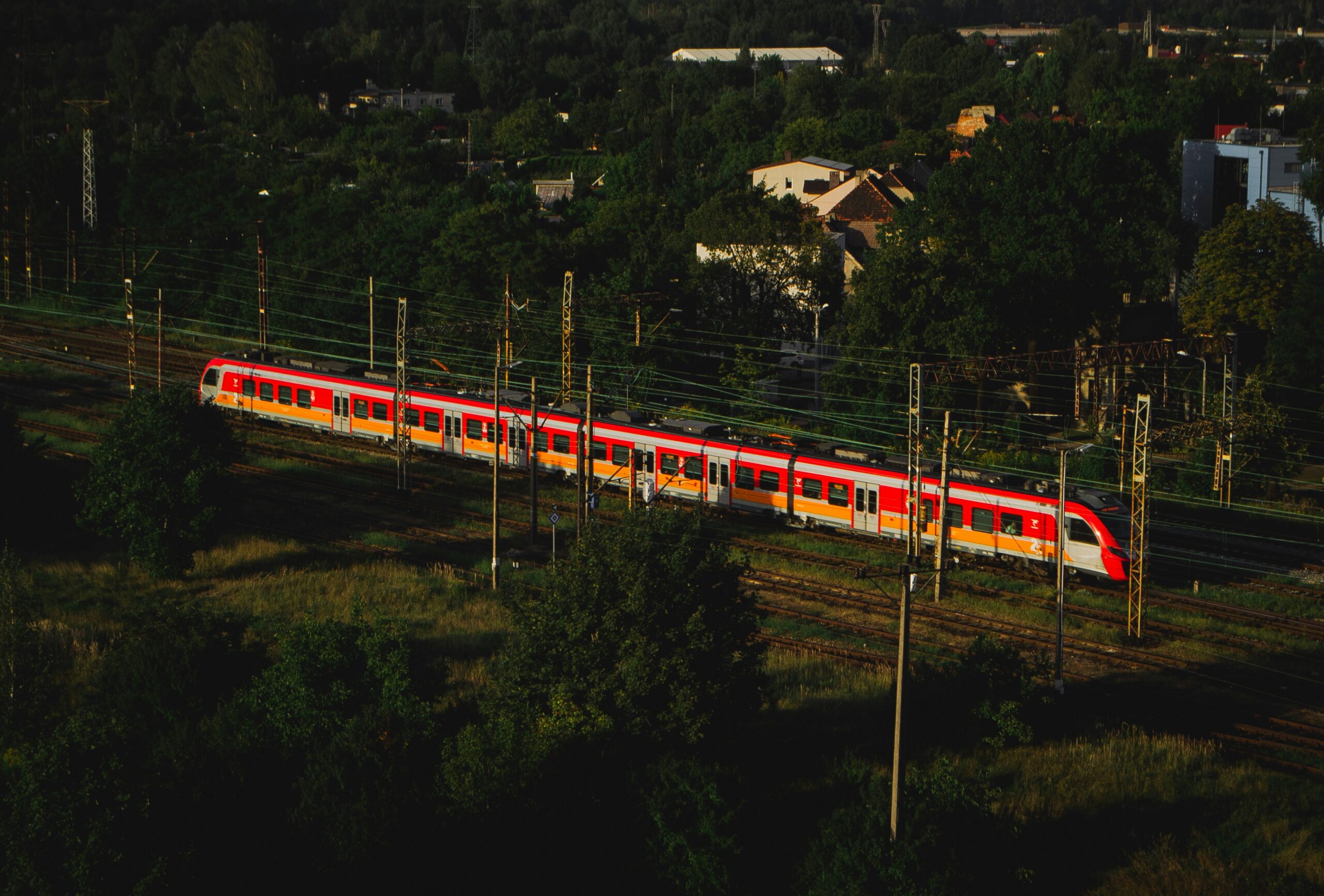
The passenger train was heading for Warsaw and was just two kilometres from Polish territory when a Russian drone struck it. The crew had been warned of the threat by the Ukrainian authorities, and no one was injured. The passengers on another private train, carrying European and American officials returning from a conference in Kyiv, including former British Prime Minister Boris Johnson, were also unharmed.
“Russia’s barbaric attacks on the Ukrainian-Polish border, at Yahodyn, are not merely a continuation of the aggression against our national borders. It is Putin’s terror “knocking” directly at the doors of the EU and NATO. The Russian barbarians are at your gates, dear partners,” wrote the Ukrainian Foreign Minister, Andrii Sybiha, in response to the attacks. In recent weeks, incidents along the EU’s borders have intensified, while several intelligence agencies have warned of a build-up in Russian military capabilities ahead of a possible direct attack on a NATO member state. This situation was also highlighted by the President of the European Commission, Ursula von der Leyen, who, at a press conference with the NATO Secretary-General, Mark Rutte, had spoken of “an escalation” in threats towards Europe, condemning the hybrid attacks.
An immediate response to the allegations came from Moscow. According to the Kremlin, the Russian air strikes targeted railway infrastructure used to transport military supplies from European countries. Meanwhile, spokesperson Dmitry Peskov reiterated that further meetings between Russian, Ukrainian, and US mediators could take place as early as October.
European support for its eastern partner is not in question.
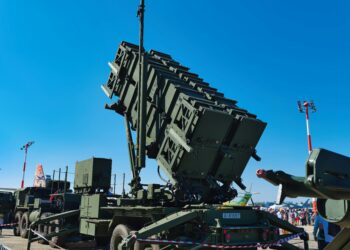
The Commission spokesperson, Christian Wigand, referred to “the allocation of €6.1 billion to support Ukraine’s air and missile defence” approved by the EU to strengthen Ukraine’s defence, earmarked for air defence and anti-missile systems, missiles, ammunition and radar. The funding forms part of the €90 billion European loan for the two-year period 2026–2027, of which €60 billion is earmarked for defence and €30 billion for budgetary support. And on the air defence front, last week the Member States gave the green light to a derogation that will allow Kyiv to use part of the European funds to purchase US-made products for the Patriot systems. The decision paves the way for a disbursement of €3.2 billion, in addition to the €8.4 billion already disbursed as part of the loan to support Ukraine.
Finally, Gill addressed the concerns that Polish citizens and those living along the eastern border may have. “The work we are carrying out at all levels aims to reassure citizens, in Poland and elsewhere, that we are taking every possible measure to strengthen Europe’s capacity to tackle such threats and to avert them in the future,” he emphasised. Meanwhile, Warsaw is considering new protective measures. The Polish Prime Minister, Donald Tusk, has warned that Russian attacks “could intensify in the coming weeks” and that the escalation could also involve Poland. In the afternoon, the US President, Donald Trump, also spoke out. On the sidelines of the Irish Open, a tournament currently taking place at his golf club in Doonbeg, the White House occupant attacked the Ukrainian President, Volodymyr Zelensky, and his strategy of targeting the Russian oil and gas industry. “The problem I have with Ukraine and Russia is that a large amount of diesel comes from Russia. I have asked Zelensky not to target diesel production facilities or refineries,” he said. According to Trump, Zelensky “must stop targeting diesel production in Russia”, not least because “there are many other targets.”
English version by the Translation Service of Withub
![Una carta SIM per telefoni [foto: Wikimedia Commons]](https://www.eunews.it/wp-content/uploads/2026/09/Gsm_sim-karte-350x250.jpg)