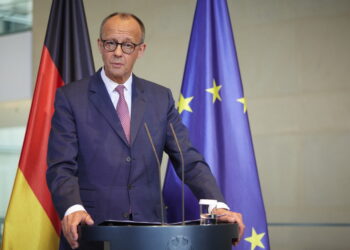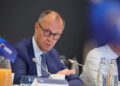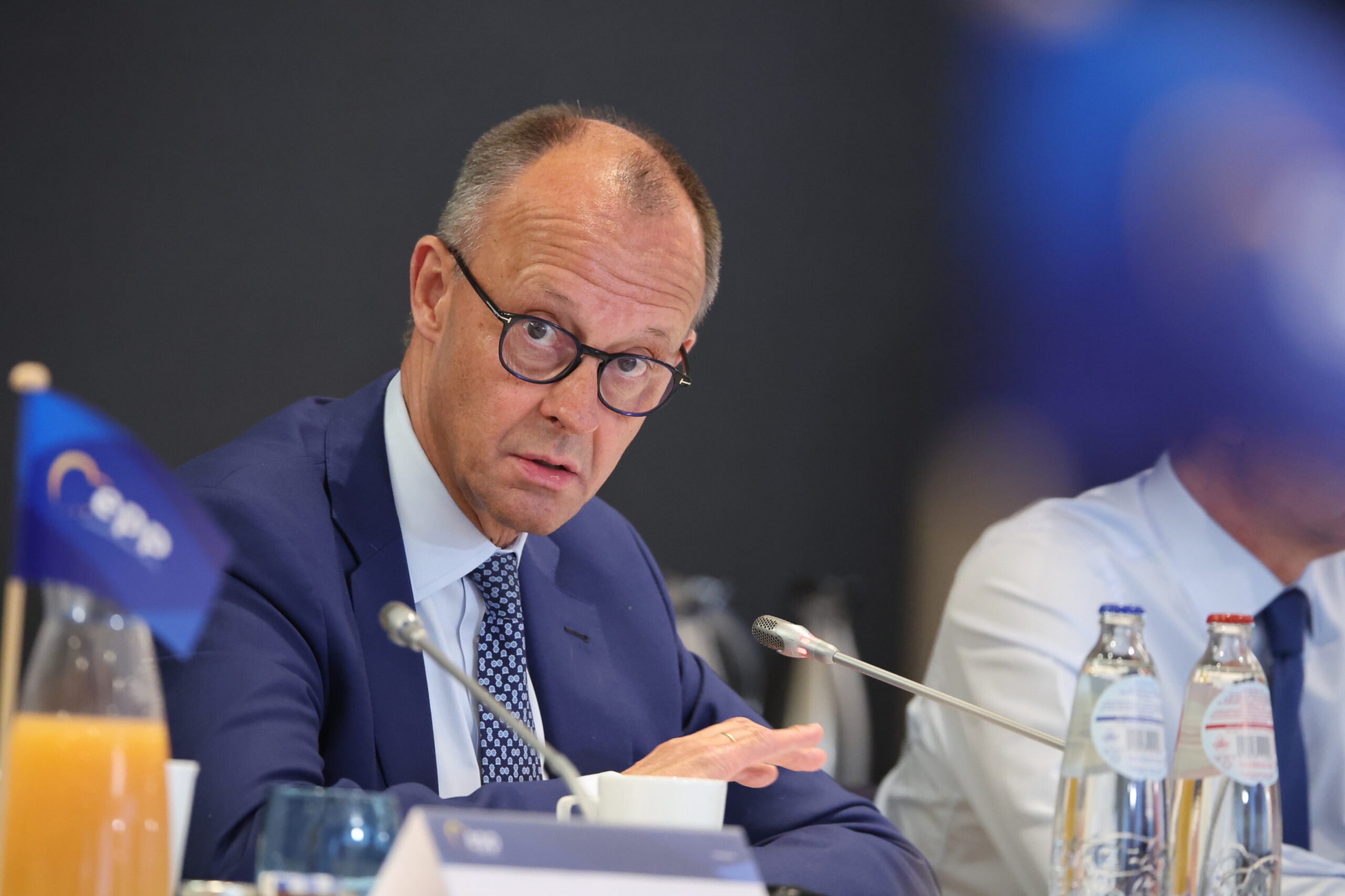

Brussels – The German Christian Democrats’ stronghold is crumbling amid the rise of the far-right AfD (Alternative für Deutschland) and the Linke (The Left). The two rounds of elections held yesterday (20 September) took place in the north-eastern state of Mecklenburg-Western Pomerania and in Berlin. Two election results that have left the German Chancellor’s party in tatters: it failed to win a single seat in the Mecklenburg-Western Pomerania state parliament. It lost control of the capital’s government, which it had shared with the Social Democrats. At the end of the day, Chancellor Friedrich Merz did not mince his words: “A disaster, but I’m not resigning; I’m carrying on.”
The AfD is on the rise: in Mecklenburg-Western Pomerania it is the leading party with 38.2 per cent of the vote, and in Berlin it is third with 15.8 per cent (almost seven percentage points higher than in 2023). In the capital, however, it has not made a significant breakthrough, and in the state of Mecklenburg-Western Pomerania it seems unlikely that it will be able to form a government, after the other parties stated that they did not wish to form alliances with the far right. The surprise comes from the Left Party (Die Linke), which, for the first time, won the German capital (24.9 per cent of the vote), opening up the possibility of a government with the Social Democrats (SPD) (12 per cent) and the Greens (14.3 per cent). The CDU came second in Berlin with 19.2 per cent.
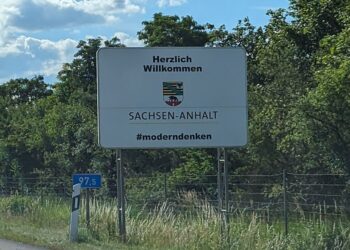
Both elections saw a significant drop in the abstention rate. In Mecklenburg-Western Pomerania, 78.1 per cent of eligible voters cast their ballots, compared with 70.8 per cent in the 2021 elections. In Berlin, turnout stood at 74.2 per cent, a sharp increase from the 62.9 per cent in 2023. More specifically, in Mecklenburg-Western Pomerania, the SPD held its ground, coming second with 35.5 per cent, whilst Die Linke came third with 6.5 per cent, followed by the Greens on 5.7 per cent. The CDU failed to make the cut with 4.9 per cent, as did the BSW – formed by dissidents who split from Die Linke – which secured 4.8 per cent. The state parliament will now comprise 32 AfD members, 29 Social Democrats, 5 Greens and 5 members of Die Linke. The outgoing majority – the SPD and Die Linke – will therefore be unable to form a government unless it is expanded to include the Greens. In any case, the other parties in the assembly have ruled out any collaboration with the far-right AfD.
At the end of the day, as Merz declares that he will not step down from leading Germany and that he intends to “take responsibility” and “move the country forward,” the ones celebrating are AfD leader Alice Weidel — who instead urges the chancellor to step aside (“Merz should face the consequences, do it for Germany. We have become the strongest party,” she said) — and Die Linke’s future mayor, Elif Eralp. The latter increasingly appears to be the bulwark against the seemingly unstoppable rise of the far right, and in yesterday’s vote she proved she can be just that. A human rights lawyer and the daughter of Turkish refugees, she speaks of accessible housing and greater integration. Last night she celebrated by emphasising that the victory is “a sign that love and justice have triumphed over the hatred” espoused by the far right. “Dear Berliners, from today we are changing our city. We have written a page in history,” she said.
English version by the Translation Service of Withub