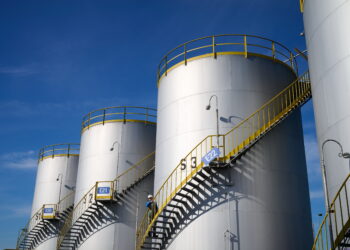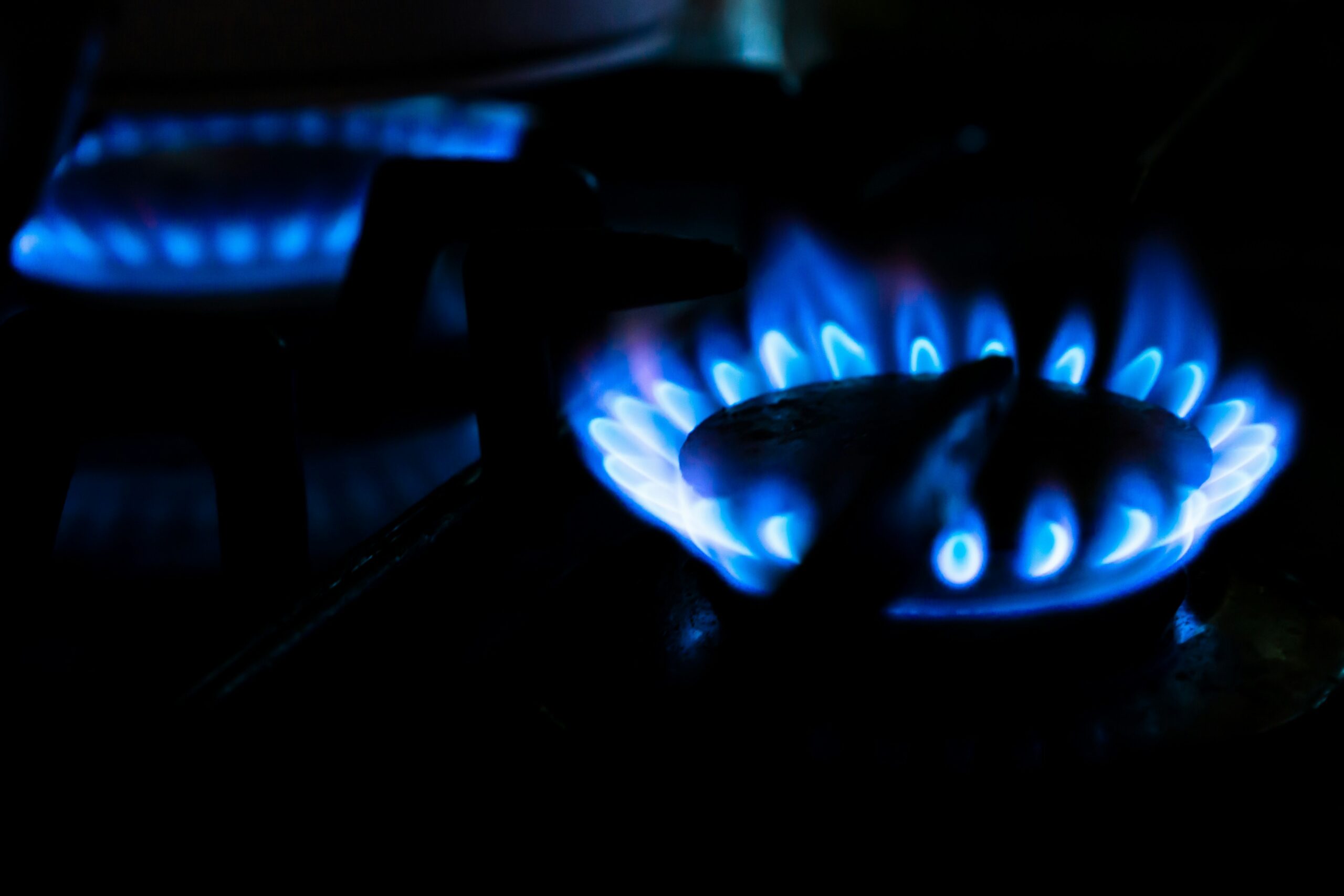
Brussels – Despite the energy crisis, the European gas system continues to cope. Once again, The Gas Coordination Group’s assessment of the situation has yielded a positive outcome. Although storage levels are “below historical levels”, the winter report from the European Network of Transmission System Operators for Gas (ENTSOG) confirms that the EU system is “flexible enough to meet demand” this winter. The analysis covers a six-month period, from early October 2026 to late March 2027.
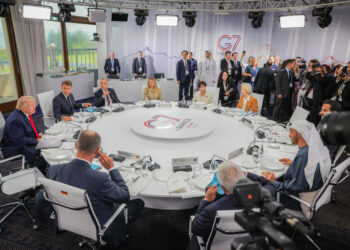
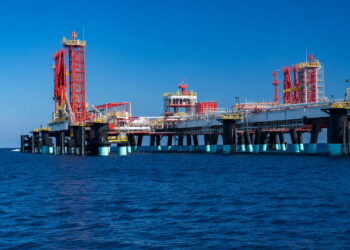
As early as 25 September, on the occasion of the latest meeting of the Co-ordination Group, preliminary data from ENTSOG had indicated sufficient storage levels. This has now been confirmed today (8 October). The EU’s infrastructure can handle higher imports of liquefied natural gas (LNG) and thus compensate for lower storage levels. However, ENTSOG has emphasised the importance of “maintaining adequate reserves” throughout the season, so as to be able to cope with any cold spells towards the end of winter and facilitate the subsequent replenishment of storage facilities during the summer.
However, as ENTSOG acknowledges, the situation is very different from that of the winter of 2021–2022, when the EU was still heavily dependent on Russian supplies. The outbreak of the war in Ukraine and the gradual halt to gas imports from Russia forced the EU to rapidly diversify its supply sources. Four years on, the European system is “better prepared thanks to greater diversification of gas supply, increased LNG import capacity and reduced gas demand”, states the Coordination Group.
The volume of LNG imports into the EU “will depend mainly on winter temperatures and their impact” on gas demand, according to the press release issued following the meeting. But there must also be an effort on the part of EU countries. In a letter addressed to the energy ministers of the 27 Member States, as reported by Eunews, the European Commissioner for Energy, Dan Jørgensen, warns that “the EU’s dependence on imported fossil fuels exposes us to disruptions in global energy geopolitics” and emphasises the profound nature of the current situation: “We are facing a price crisis linked to a supply crisis.” The Commissioner calls on governments to “take measures to reduce demand for gas and electricity.”
The European Commission will, however, remain on alert and continue to monitor “very closely” storage levels, gas supplies and prices throughout the winter, in collaboration with EU countries and market operators.
English version by the Translation Service of Withub