Brussels – The European Commission proceeds according to intentions on the stop to customs exemption on imports under 150 euros. France and Italy approve the EU executive’s proposed change to the online shopping regime. The debate in the Ecofin Council sees the intervention of just four countries (Spain, Ireland, France, and Italy). Still, it serves the von der Leyen team to cash in on the full support of two of the EU’s major economies on harmonizing e-commerce rules.
At the beginning of this year, the von der Leyen team proposed removing the customs exemption on imported goods worth less than 150 euros to counter the entry of products considered dangerous to health and safety. “The initiative goes in the right direction,” said Eric Lombard, France’s finance minister, noting that “VAT should be paid even under 150 euros” and, therefore, the rules on the matter should not be touched. What should be reviewed, however, is the tariff exemption. “The Commission must eliminate the 150-euro threshold,” so it is good that the EU executive’s proposal “focuses on small parcels.”
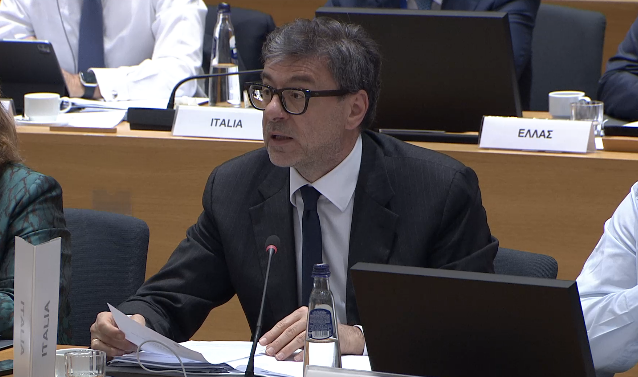
A stance that also Economy Minister Giancarlo Giorgetti supports. He cautions that in Europe, “there is an invasion of cheap goods, especially from Asia,” which poses risks and pitfalls for consumers and others, referring to the many online purchases through well-known and lesser-known sites and portals that bring untaxed goods through the single market. There is a need to move forward in a decisive and European manner to discourage the production of harmful and potentially harmful goods. “The one-stop-shop can help” in this regard, the Treasury Minister said, convinced of the usefulness of the electronic tax return system.
Good news for the Commission also comes from Ireland, a traditionally tax-conscious country jealous of its less stringent tax and levy regime. Although with “concerns about the practical implementation of measures” to better regulate the e-commerce sector, Ireland’s finance minister, Paschal Donohoe, does not veto: “We are aware that the economy is increasingly digital and needs to be managed.”
English version by the Translation Service of Withub