Brussels – Twenty months after the start of the conflict between Israel and Hamas, the European External Action Service (EEAS) puts it on record that “there are indications that Israel is in breach of its human rights obligations under Article 2 of the EU-Israel Association Agreement.” To be fair, this is the second time that the EU Special Representative for Human Rights, Olof Skoog, has drawn the same conclusions: the first, as early as November, at the request of the then High Representative Josep Borrel. However, like then, the report risks being forgotten in some drawer without any consequences.
“The measures are there. But the concrete question is, what then are we able to agree?” said Kaja Kallas, who inherited the challenging role as head of European diplomacy today (23 June). The foreign ministers of the 27 member states received Skoog’s report over the weekend and discussed it this morning with Kallas in Brussels. On 20 May, 19 member states finally asked the High Representative to initiate a review exercise of the comprehensive political and trade agreement between the EU and Israel, whose provisions “are based on respect for human rights and democratic principles.”
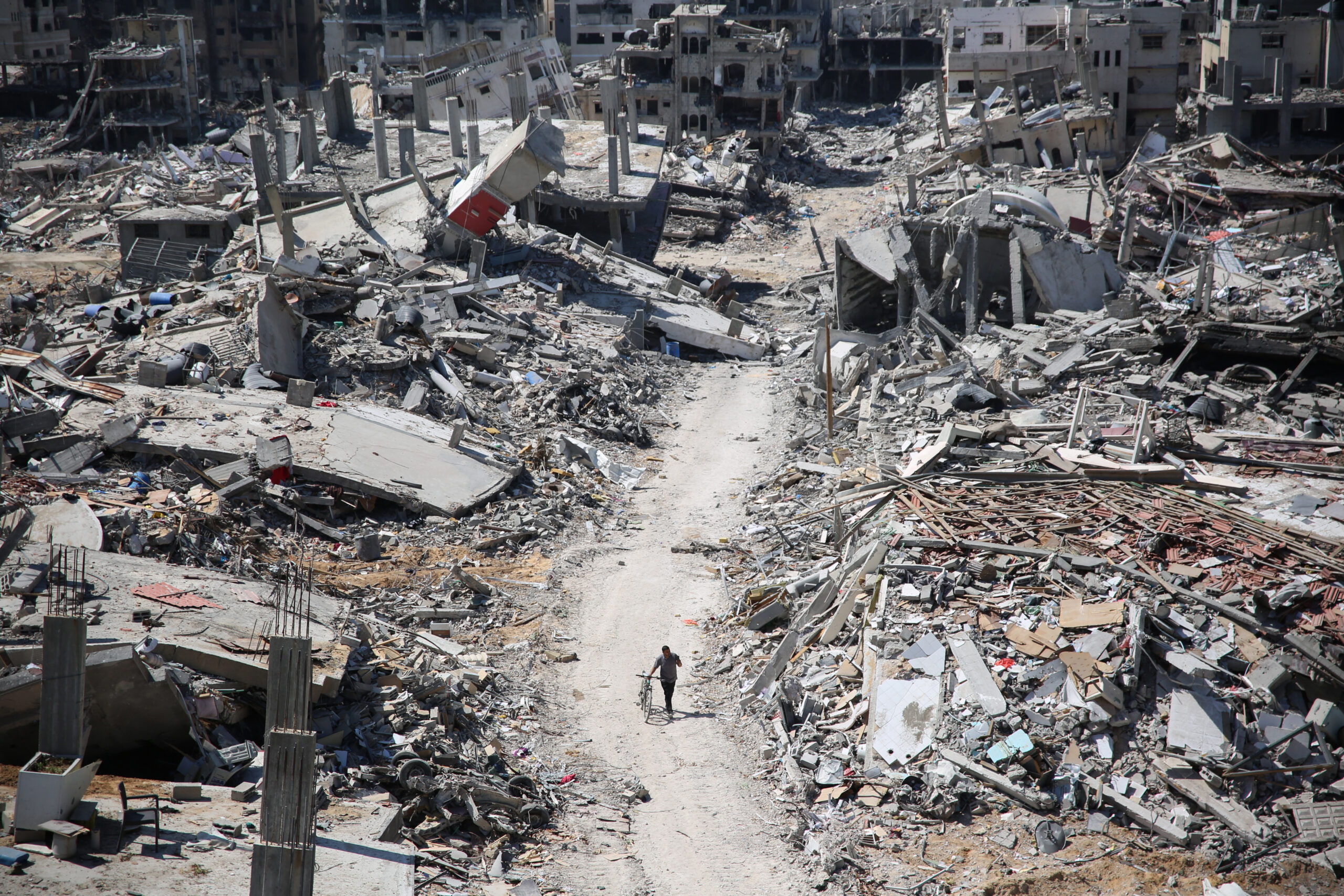
After more than 55,000 Palestinian victims, the killings of journalists and aid workers, the total blockade of humanitarian aid entry into the Strip, and the raids during food distribution – all documented and denounced by the media, organizations, and international courts – the conclusions of the agreement were easily predictable. It is almost as predictable as the impasse that comes now that the 27 will have to decide whether to suspend the Agreement with Israel, whether to take other measures or sanctions against the Jewish State, or whether to limit themselves to verbal warnings, demands, or appeals without concrete consequences.

“So, today was the beginning of the debate and not the end,” Kallas explained on the sidelines of the meeting. The first move would be to assess whether what the report denounced will lead Israel to spontaneously change its way of conducting the war. The High Representative confirmed that she had already received Israel’s diplomatic response to the report: “Outrageous and indecent,” according to what was reported by Politico.
Kallas noted that “if the situation does not improve, we can discuss further measures in July” during the next Foreign Affairs Council scheduled for the 15th of the month. To review all trade policy aspects of the partnership with Israel, the member states could decide by qualified majority. To impose sanctions and suspend the political dialogue or the entire agreement, unanimity of the 27 is needed. The latter is a chimera if one rereads the statements of the Italian deputy-premier, Antonio Tajani, who already, at the end of May, opposed the revision of Article 2 of the agreement: “Our position is to go ahead with the relationship with Israel, even though we do not agree with the choices made in Gaza, that is, the disproportionate reaction, the excessive use of force that has caused thousands of deaths in that part of Palestine,” he said.
In contrast, Spain reiterated its demand for “an immediate suspension of the association agreement, an embargo on EU arms sales to Israel, and individual sanctions against all those who want to undermine the two-state solution permanently.” Demands that Tajani defined as “vague and useful for internal politics.” All other states stand between these two extremes.
The conclusions of Skoog’s report will be on the table at the summit of heads of state and government of the 27 member states on Thursday. “The leaders will inevitably have to face the report’s outcome,” a senior EU official confirmed. However, the President of the European Council, Antonio Costa, “does not intend to submit the issue to the leaders for a decision. Not least because let’s be realistic, unanimity would probably not be reached.”
English version by the Translation Service of Withub